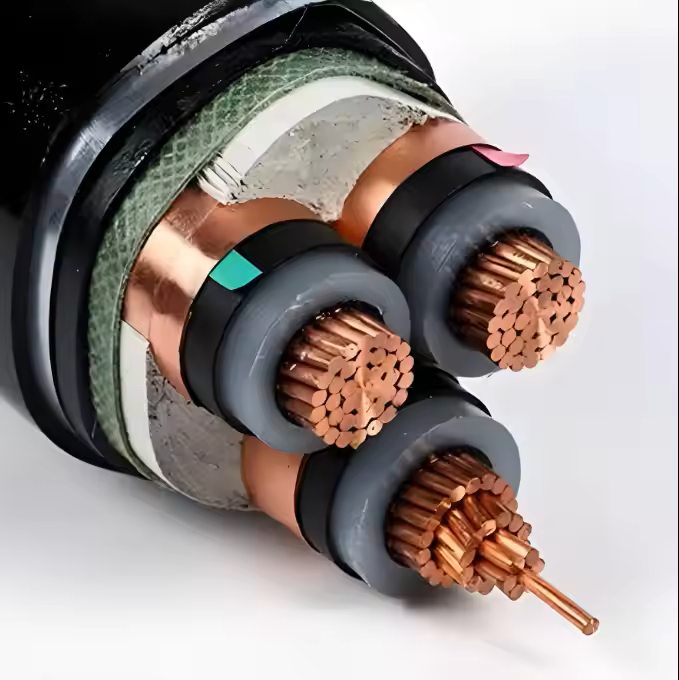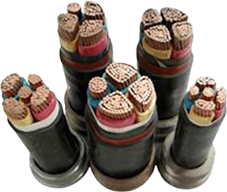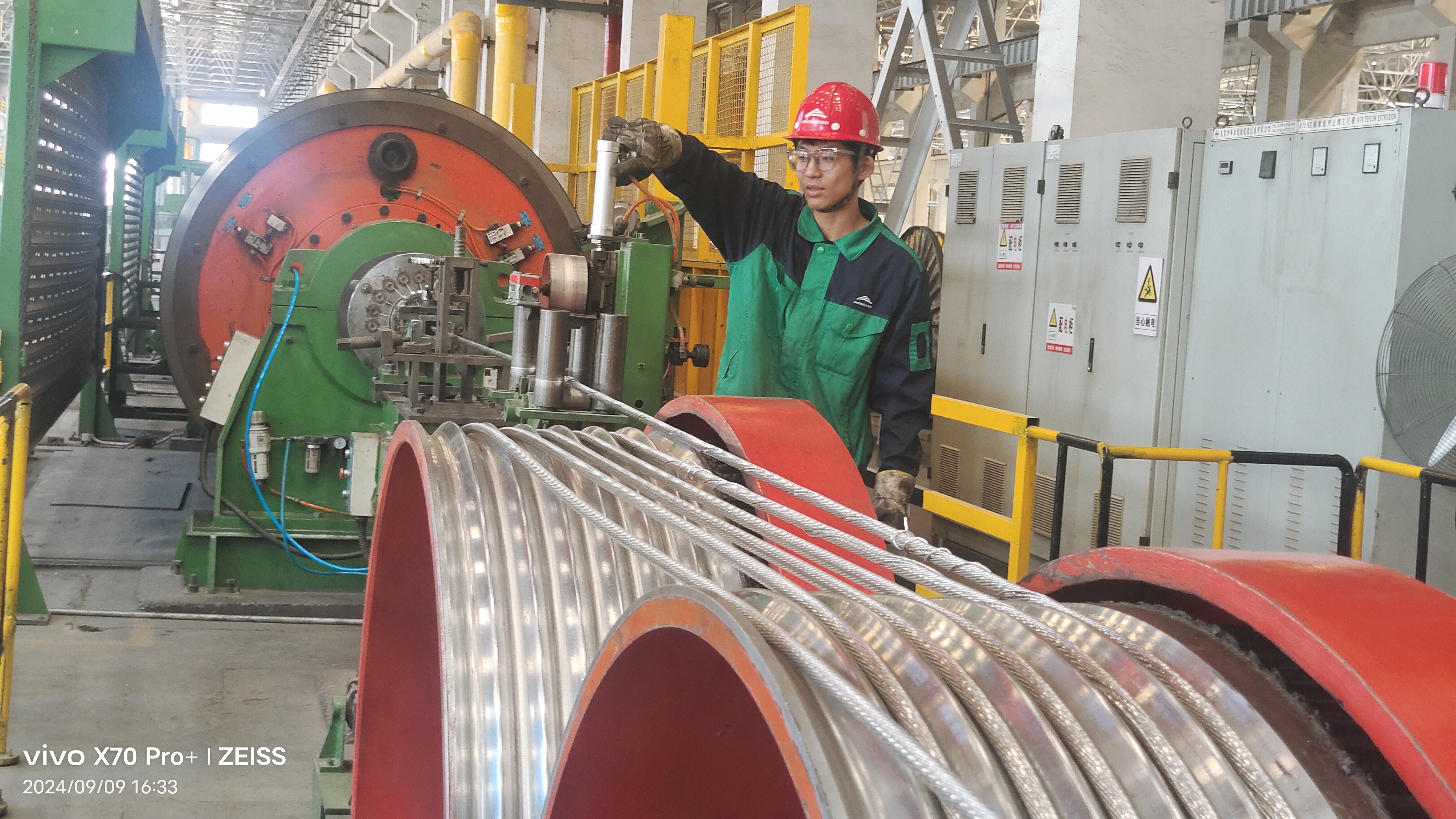

Buyer answer: medium voltage cable testing should be defined before production, not negotiated after shipment. The purchase order should name the test reports, witness inspection, acceptance criteria and document format required by the project owner.
JINCHUAN works with buyers who need medium-voltage cable for industrial distribution, substations, solar collection networks and infrastructure feeders. A clear testing plan reduces disputes because the buyer, supplier and inspector understand the same acceptance logic.
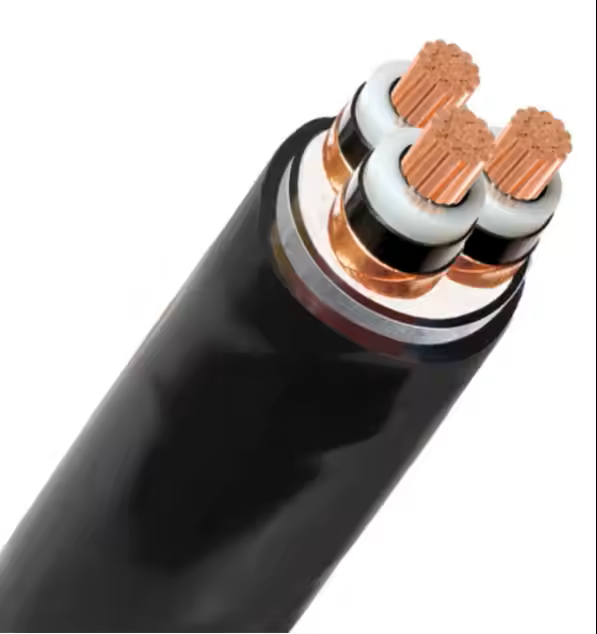
Routine tests every buyer should understand
Routine tests are performed on manufactured cable lengths. Depending on the standard and cable type, they may include conductor resistance, voltage test, partial discharge and sheath checks. Medium voltage cable testing is not only about passing a number; it creates traceability between the produced drum and the project datasheet.
Inspection stages
| Stage | What to check | Buyer benefit |
|---|---|---|
| Before production | Approved datasheet, drawing and standard | Prevents wrong construction |
| During production | Material and process control | Finds issues before final testing |
| Factory acceptance | Routine test, dimension, marking, drum condition | Creates delivery confidence |
| Before shipment | Packing list, test report and photos | Supports customs and site receiving |
Factory acceptance test planning
If a third-party inspector or buyer representative will witness the test, the schedule must be confirmed early. FAT should not be treated as a last-minute visit. The buyer should define which drums are sampled, which tests are witnessed, which instruments are recorded and how nonconformities will be handled.
Field testing is a separate discussion
Factory tests confirm manufactured cable quality before delivery. Field tests after installation may check the installed cable system, including joints and terminations. Buyers should not assume factory medium voltage cable testing replaces all site commissioning requirements.
Review JINCHUAN power cable products and compare standards through the IEC 60502 vs IEC 60840 cable standard guide before deciding the testing package.
RFQ checklist
- Voltage grade, cable type and standard.
- Required routine test report and language.
- Third-party inspection or buyer witness requirement.
- Type test reference or certificate requirement.
- Drum marking, packing photos and shipment document list.
- Site commissioning test requirement if known.
Product positioning for inspection planning
Medium voltage cable testing protects the buyer from receiving a cable that looks correct but lacks proof. It also protects the supplier by creating an agreed acceptance record. The test plan should be attached to the purchase order or confirmed before production.
Buyer types and responsibilities
An EPC contractor needs inspection records for handover. A utility buyer needs standard compliance. A trader needs documents that can satisfy the end user. A plant owner needs confidence that the cable can be installed without unexpected retesting. Each role should define what evidence is required.
Factory and field testing are different
Factory testing confirms manufacturing quality before shipment. Field testing checks the installed cable system after pulling, jointing and termination. A buyer should not use one to replace the other. Medium voltage cable testing should be planned as a sequence from factory to site.
Quality control and document discipline
Test reports should identify cable type, voltage, length, drum or batch, standard, test method and result. If a third-party inspection is required, the witness point and report format should be agreed early.
FAT witness preparation
Before factory acceptance testing, buyers should confirm the inspection date, sampling plan, test items, instrument records, photo requirements and report language. Medium voltage cable testing becomes much smoother when the inspector receives the approved datasheet and order specification before arriving at the factory.
Traceability after delivery
After shipment, the installation team should be able to match every drum with a test record and packing list line. This traceability helps resolve site questions quickly, especially when several cable sizes are delivered together for the same substation, solar collection network or industrial feeder project.
Nonconformity handling
The RFQ should state how nonconformities will be handled: retest, replacement, corrective action report, inspector sign-off or buyer approval. This avoids emotional negotiation after a failed or disputed test.
Testing specification table
| Standard | IEC, IEEE or owner-specified requirement | |
| Routine tests | Conductor resistance, voltage, partial discharge where applicable | |
| Inspection | Visual, dimension, marking and packing check | |
| Witness | Buyer or third-party attendance if required | |
| Reports | Report format, language and traceability | |
| Shipment | Packing photos and drum list | |
| Field tests | Site test requirement if known |
Testing-stage comparison
| Before production | Datasheet approval | Prevents wrong design |
| Factory routine test | Manufactured cable verification | Confirms basic quality |
| FAT witness | Independent or buyer inspection | Improves trust |
| Field test | Installed system check | Finds installation-related problems |
Additional Buyer FAQ
Is partial discharge test always required?
It depends on voltage level, cable type and standard. Medium-voltage projects often discuss it, but the exact requirement should be confirmed.
Can buyers request third-party inspection?
Yes, but the inspection agency, scope and witness date should be agreed before production is completed.
What if a test fails?
The supplier and buyer should follow the agreed nonconformity process, including retest, analysis and corrective action.
Does factory testing cover joints?
No, unless accessories are part of the supplied and tested system. Field testing may cover installed joints and terminations.
What is the most useful report detail?
Traceability. The report should link results to cable type, length, drum or batch.
Should packing be inspected?
Yes. Good electrical test results do not prevent damage from poor packing or handling.
How should JINCHUAN receive the testing requirement?
Send the standard, voltage, cable size, inspection party, witness points, report format and shipment schedule.
FAQ
Is a routine test report enough?
For many purchases it is necessary, but some projects also require type test references, inspection certificates or third-party witness records.
Can medium voltage cable testing be added after production?
Some checks can be added, but witness inspection and document format should be planned before production to avoid delays.
What should buyers send to JINCHUAN?
Send the project standard, test requirement, inspection party, document format and shipment schedule together with cable specifications.
Authority references
For field testing context, buyers can review IEEE 400-2023, which covers field testing and evaluation of shielded power cable systems rated 5kV and above. For VLF-related field testing, IEEE 400.2-2024 is another relevant reference.