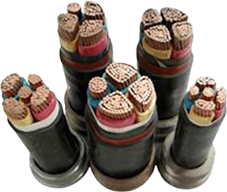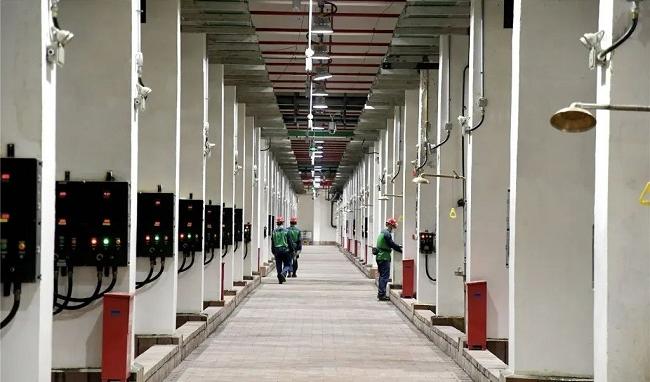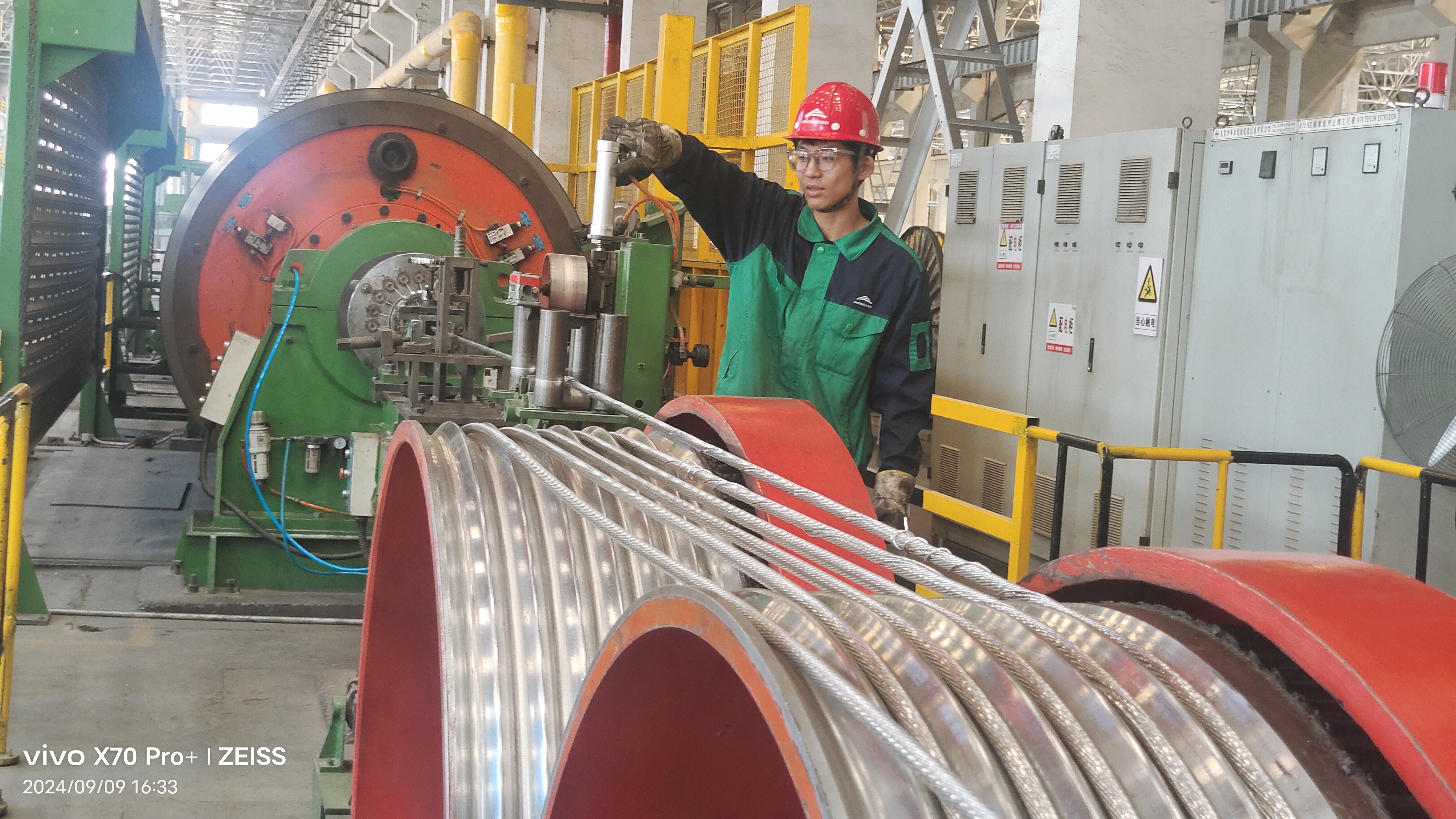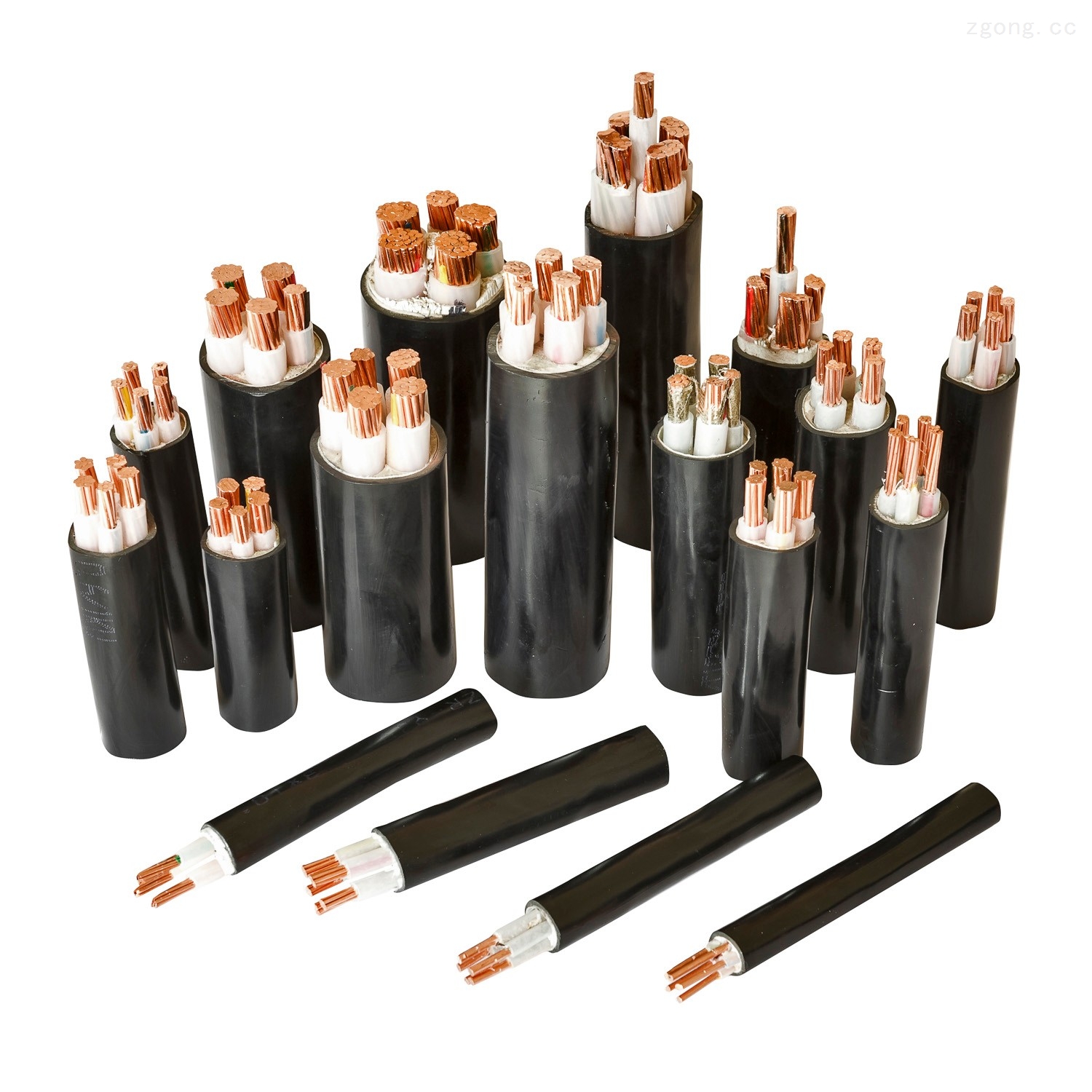

Cold regions create special challenges for power cable selection. Standard cable sheaths may become stiff, crack during handling or lose performance when installed in low-temperature environments. For outdoor utility, mining, wind power, construction and industrial projects, cold resistant power cable helps reduce installation damage and long-term failure risk.
JINCHUAN supports power cable buyers with project-based cable structure review, material selection and export documentation.
Where Cold Resistant Cable Is Needed
- Outdoor power distribution in cold regions.
- Mining and metallurgy projects with exposed routes.
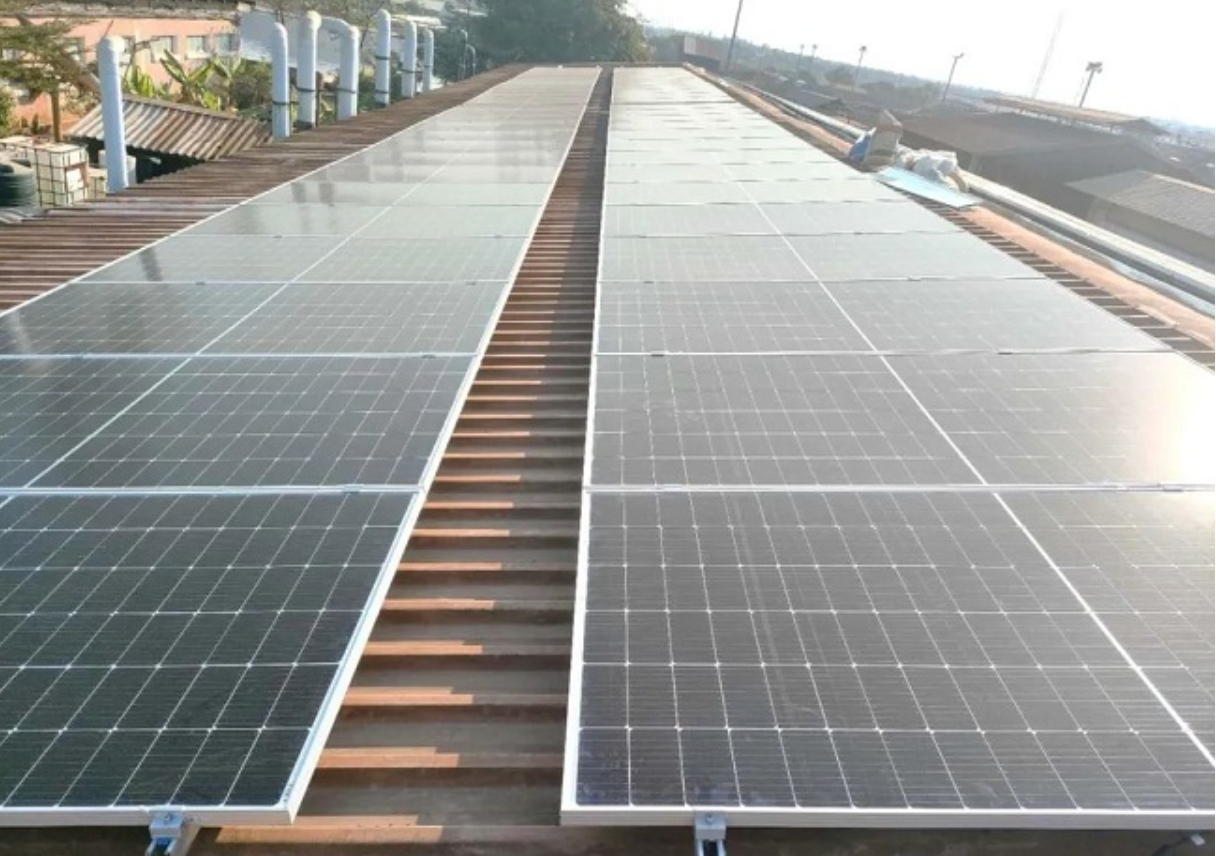
- Wind and solar projects where cable may face low temperature and UV exposure.
- Temporary construction power in winter conditions.
- Industrial plants with outdoor trays, tunnels or direct burial routes.
What Makes a Cable Cold Resistant?
Cold resistance is usually achieved through suitable sheath compounds, controlled material formulation and testing. The cable should maintain flexibility and avoid cracking at the specified low temperature. Buyers should not rely only on a product name; they should confirm the required low-temperature bending or impact test and the project minimum ambient temperature.
Selection Factors
| Factor | Buyer Question |
|---|---|
| Minimum temperature | What is the lowest storage, handling and operating temperature? |
| Installation timing | Will the cable be pulled or bent during winter? |
| Sheath material | Does the sheath meet cold resistance and environmental needs? |
| Mechanical risk | Is armor or additional protection required? |
| UV and moisture | Will the cable be exposed outdoors for long periods? |
Standards and Testing
Depending on the project, buyers may refer to IEC 60502 for power cable construction and to relevant low-temperature tests in material or cable standards. Project owners may also specify local utility standards. The key is to define the test temperature and acceptance criteria before manufacturing.
Installation Risks to Avoid
Cold weather makes cable handling more sensitive. Excessive pulling force, tight bending radius, impact during unloading and unprotected storage can damage the sheath. Buyers should coordinate drum storage, pre-installation inspection and installation temperature guidelines with the contractor.
How to Request a Quotation
Provide voltage grade, conductor size, cable structure, minimum ambient temperature, installation method, sheath requirements, armor requirement, quantity, drum length and destination. If the project is in a mining, wind or high-altitude region, include environmental details.
FAQ
Is cold resistant cable only for very low temperatures?
No. It is also useful when cable will be stored, transported or installed in cold seasons, even if normal operation is less severe.
Can low temperature damage cable during installation?
Yes. The sheath may become less flexible, and bending or impact can cause cracks if the cable is not designed or handled correctly.
Can JINCHUAN customize sheath requirements?
JINCHUAN can review cold resistance, UV resistance, flame retardance, armor and sheath requirements according to project conditions.
Have a cold-region project? Contact JINCHUAN with your minimum temperature and installation details for cable structure advice.