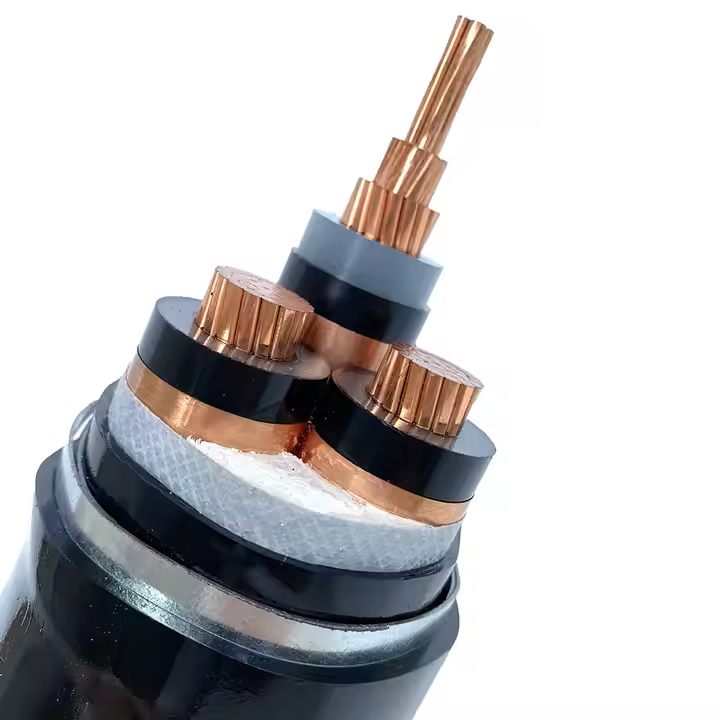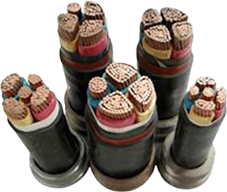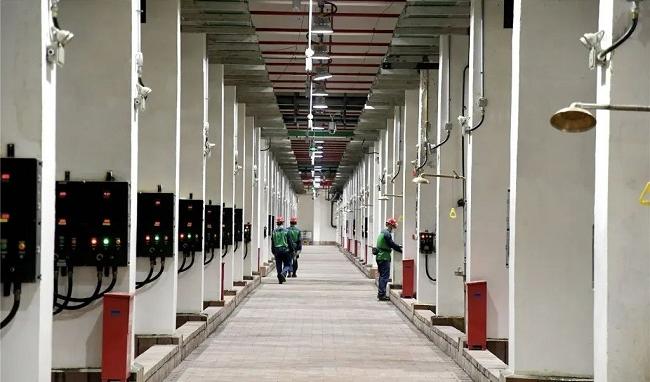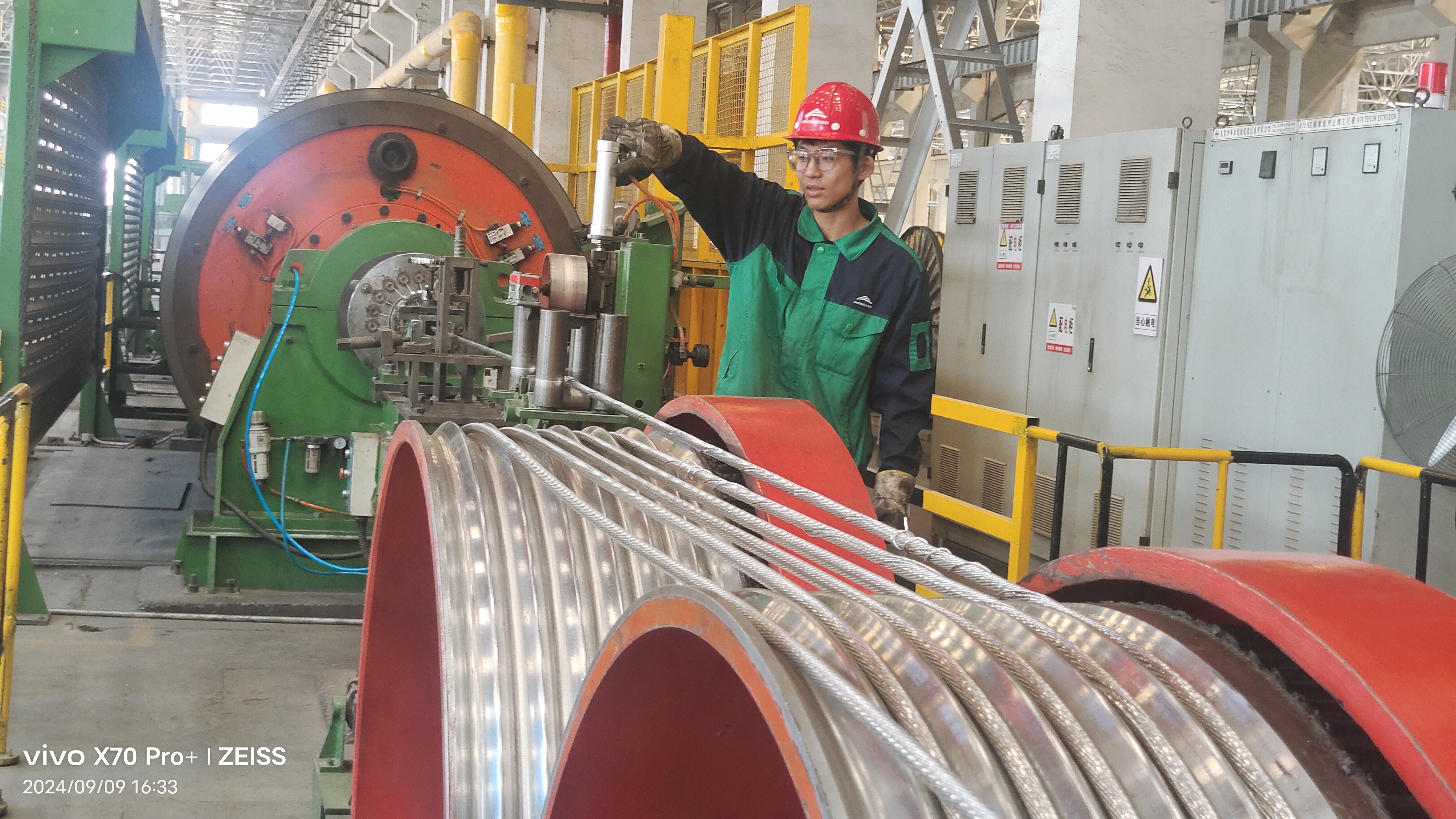

Short answer: STA is usually chosen for stronger radial protection in fixed direct-buried routes, while SWA is often preferred where flexibility, pulling route and multi-core installation behavior matter. A 26-35kV armored copper power cable should be selected from route risk first, then cost.
JINCHUAN receives many medium-voltage inquiries where the buyer already knows the voltage and conductor size but is unsure about armor. That is normal. Armor choice is a mechanical decision sitting on top of an electrical design. The wrong armor can make installation harder even when the electrical rating is correct.

Start with the installation route
A 26-35kV armored copper power cable used in a mine, substation feeder, industrial park or utility distribution route faces different forces. Direct burial creates pressure from soil and accidental digging. Cable trays create bending and support issues. Duct installation creates pulling tension and friction. A supplier cannot choose armor responsibly until the route is described.
STA and SWA comparison
| Option | Best fit | Buyer risk if misused |
|---|---|---|
| STA | Fixed routes needing radial mechanical protection | Can be less suitable where repeated bending or complex pulling is expected |
| SWA | Routes requiring more installation flexibility | May not match every single-core AC design because of magnetic loss concerns |
| Non-armored | Protected ducts, indoor trays or controlled spaces | Higher exposure to crushing or accidental damage if the route is harsh |
Sheath options are not cosmetic
The outer sheath protects the cable from moisture, abrasion, sunlight, oil, chemicals and soil conditions. PVC may be enough for many standard industrial routes. PE is often considered where moisture and abrasion resistance are important. LSZH or flame-retardant compounds may be needed in public infrastructure, tunnels or enclosed buildings. For a 26-35kV armored copper power cable, the sheath decision should follow the fire, environment and maintenance requirements of the route.
What a strong RFQ should include
- Rated voltage, such as 26/35kV or the project-specific voltage designation.
- Single-core or three-core design.
- Copper conductor cross-section and required current capacity.
- Armor preference, or installation route if armor is not decided.
- Sheath material, flame requirement and color/marking needs.
- Routine test report, type test reference and inspection plan.
- Drum length, packing limits and delivery schedule.
How JINCHUAN reduces buyer uncertainty
For JINCHUAN, a good medium-voltage offer should make assumptions visible. If a buyer asks for a 26-35kV armored copper power cable but does not name STA or SWA, the offer should explain which option is quoted and why. If the installation route is unknown, the quote should request confirmation instead of pretending the choice is obvious.
Before issuing an order, buyers can review JINCHUAN power cable products and the medium voltage cable testing checklist to align structure and inspection requirements.
Product positioning for medium-voltage routes
A 26-35kV armored copper power cable is usually purchased for a route where electrical capacity and mechanical protection must be balanced. It may feed transformers, mining loads, industrial substations, renewable collection systems or utility distribution lines. Armor is not an accessory added at the end; it changes installation behavior, bending, cable weight and sometimes loss performance.
Buyer types and decision pressure
An EPC contractor wants the cable to arrive on time and install without route surprises. A plant owner wants fewer maintenance events. A trader wants a quotation that is easy to defend to the end user. Each buyer needs a different explanation, but all of them need the same foundation: route, voltage, conductor size, armor, sheath and test requirement.
Workmanship details
Medium-voltage XLPE cable quality depends on conductor preparation, insulation extrusion, screen smoothness, armor application, sheath adhesion and final drum winding. Buyers should ask whether the quoted cable includes the exact armor type, whether sheath thickness is stated, and whether routine test records will identify each production length.
OEM and project customization
JINCHUAN can align sheath color, cable marking, drum mark, label language and document format with the buyer's project. These details look small, but they reduce receiving mistakes when many drums arrive at a construction site.
Specification table for RFQ
| Voltage | 26/35kV or project voltage | |
| Core design | Single-core or three-core | |
| Conductor | Copper, specified cross-section | |
| Insulation | XLPE | |
| Armor | STA, SWA or project-defined armor | |
| Sheath | PVC, PE, LSZH or flame-retardant option | |
| Inspection | Routine test report, FAT or third-party witness |
Armor selection comparison
| STA | Direct burial and fixed routes | Strong radial protection |
| SWA | Routes needing more installation flexibility | Better handling in some multi-core designs |
| Non-armored | Protected ducts or indoor trays | Lower weight when mechanical risk is controlled |
Additional Buyer FAQ
Can STA be used for every 35kV route?
No. STA is useful for fixed protection, but route bending, pulling method and single-core AC behavior should still be reviewed.
Why does sheath material matter?
The sheath faces moisture, abrasion, UV, oil, flame requirements and soil conditions, so it must match the route.
What if the buyer does not know STA or SWA?
Send the route description to JINCHUAN and ask for a recommended structure with assumptions clearly listed.
Is a three-core cable easier to install?
Sometimes, but it depends on size, route, pulling equipment and bending conditions.
What documents should accompany shipment?
Datasheet, routine test report, packing list, invoice, certificates if required and packing photos are commonly requested.
Can the same cable serve mining and building projects?
Usually not without review. Mining routes and building routes have different mechanical and fire requirements.
How should buyers compare two offers?
Compare conductor, insulation, screen, armor, sheath, standard, test scope and packing under the same assumptions.
FAQ
Is STA cheaper than SWA?
It depends on core design, size, material, route and local specification. Cost comparison should be made using the same conductor, insulation, screen, sheath and test scope.
Can one 26-35kV armored copper power cable design fit every project?
No. The same voltage grade can require different armor and sheath designs depending on installation and approval requirements.
Should the buyer specify IEC 60502?
For many medium-voltage extruded insulated cables, IEC 60502 is a common reference. Buyers should still check local grid or owner standards before finalizing the specification.
Authority references
The official IEC 60502 series page is a useful starting point for medium-voltage cable standard discussions, especially when the project needs construction and test requirements to be aligned before procurement.