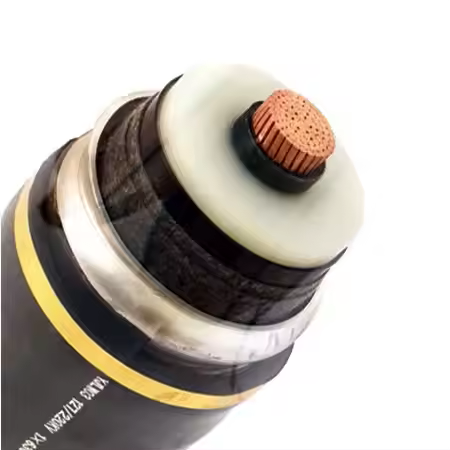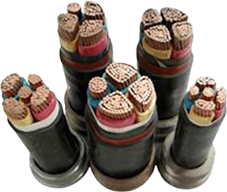

Quick answer: a 64-110kV copper XLPE power cable should be specified from the complete system requirement, not from voltage grade alone. The RFQ should make the rated voltage, conductor size, screen design, water-blocking need, sheath environment, test scope and delivery documentation visible before price comparison starts.
For JINCHUAN, the most useful inquiry for a 64-110kV copper XLPE power cable usually comes from utility substations, heavy industrial plants, grid interconnection works and renewable energy step-up stations. These buyers are not only buying cable length. They are trying to reduce approval delays, joint failures, sheath damage, test disputes and site downtime.

Where the specification usually goes wrong
Many high-voltage cable inquiries arrive with a short line such as “110kV copper cable, XLPE, quote CIF.” That is not enough for a reliable technical offer. A 64-110kV copper XLPE power cable may require very different metallic screens, sheath materials, water-blocking layers and routine test records depending on whether the route is inside a substation trench, direct buried, tunnel installed or exposed to moisture.
The first decision is whether the cable is part of a utility-approved system. If the owner has a grid standard, it should be attached. If not, the buyer should name the intended IEC standard and ask the supplier to confirm the construction and test plan. The IEC 60840 family is commonly referenced for extruded insulated power cable systems above 30kV and up to 150kV; the official IEC page describes its scope for high-voltage cable systems. For medium-voltage projects, IEC 60502 is the more common reference point.
Buyer types and fit
| Buyer | Main concern | What to confirm before quotation |
|---|---|---|
| Utility or grid company | Approval and long service life | Standard, type test reference, inspection plan, accessories interface |
| EPC contractor | Schedule and documentation | Drum length, delivery batch, FAT witness, drawing approval time |
| Industrial owner | Downtime risk | Route condition, short-circuit requirement, sheath protection, spare length |
| Trading company | Clear resale package | Datasheet, certificates, marks, packing photos, export documents |
Technical items that affect cost
Conductor size is only one cost driver. A 64-110kV copper XLPE power cable price also changes with copper purity, conductor compacting, insulation thickness, semi-conductive layers, metallic screen section, lead sheath or aluminum sheath selection, outer sheath compound, water-blocking material and test requirements. When two quotations differ sharply, the difference is often hidden in these items rather than in the supplier margin.
RFQ checklist
- Rated voltage, system voltage and frequency.
- Conductor material, nominal cross-section and number of cores.
- Installation method: trench, duct, tunnel, direct burial or bridge.
- Metallic screen requirement and short-circuit current.
- Water-blocking, radial moisture barrier or sheath anti-corrosion requirement.
- Routine tests, type test references and third-party inspection need.
- Drum length, maximum drum weight and destination port.
Quality control and acceptance
For this voltage level, buyers should ask for more than a commercial invoice and packing list. Useful records include conductor resistance, partial discharge, voltage test, sheath test, dimensional check, material traceability and inspection photos. If the project owner requires witness testing, that should be written into the purchase order before production begins.
JINCHUAN can align the cable datasheet and packing plan with project documentation needs. Buyers can review JINCHUAN power cable products and compare standards in the IEC power cable standard guide before sending an RFQ.
Product positioning for high-voltage buyers
A 64-110kV copper XLPE power cable sits in a different purchasing category from ordinary distribution cable. It normally belongs to a project where the cable route, accessories, testing procedure and commissioning plan are reviewed by multiple parties. For this reason, procurement should not separate price from engineering approval. The cable is part of a high-voltage system that must survive electrical stress, thermal load, moisture exposure and installation handling over a long service period.
Who should not use this specification
This specification is not suitable for buyers who only need standard low-voltage plant wiring or a short medium-voltage feeder. It is also not a good fit when the project owner has not confirmed voltage level, short-circuit requirement or grid approval rules. In those cases, JINCHUAN recommends clarifying the electrical design before asking for a final 64-110kV copper XLPE power cable price.
Materials and workmanship to review
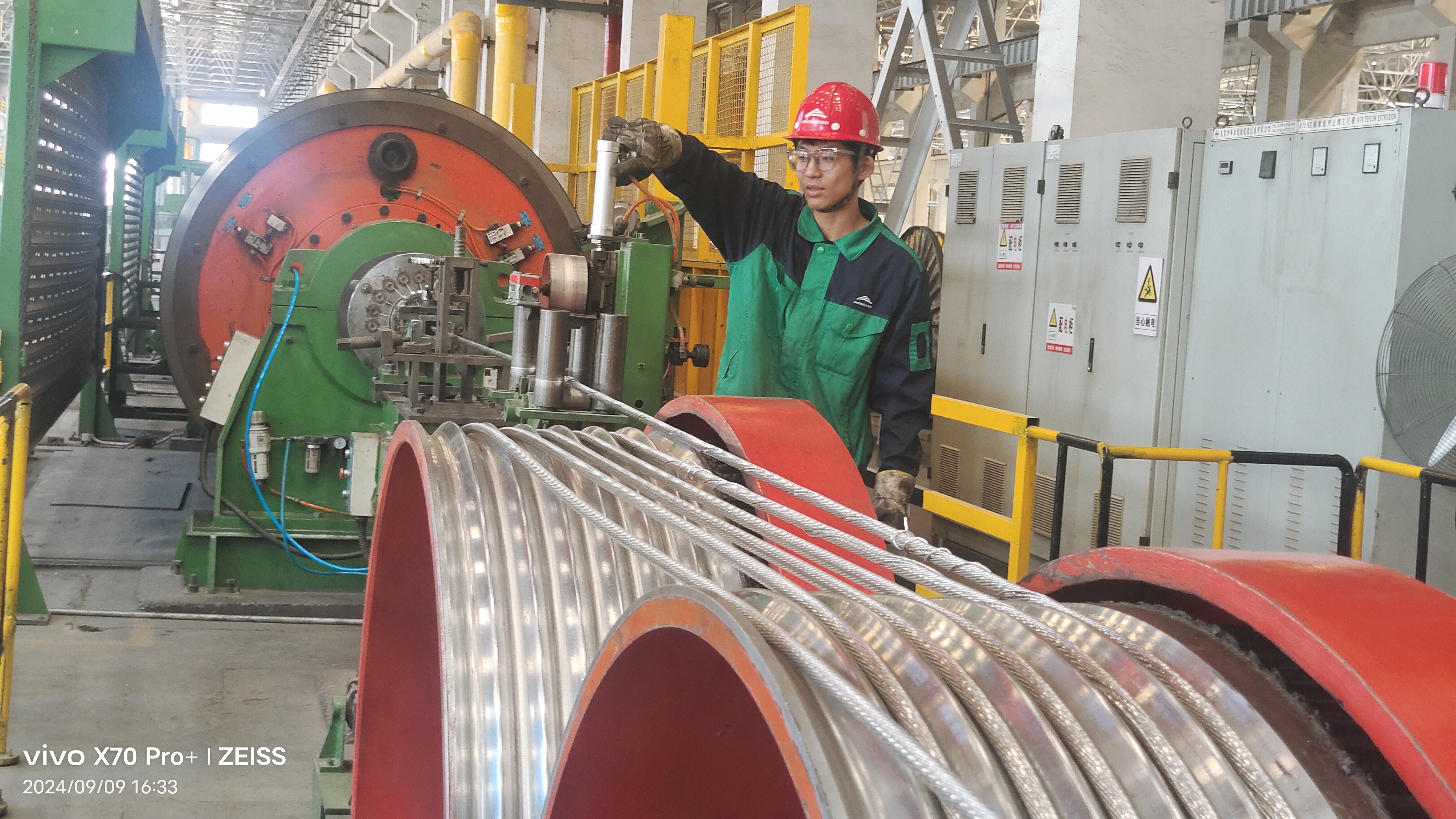
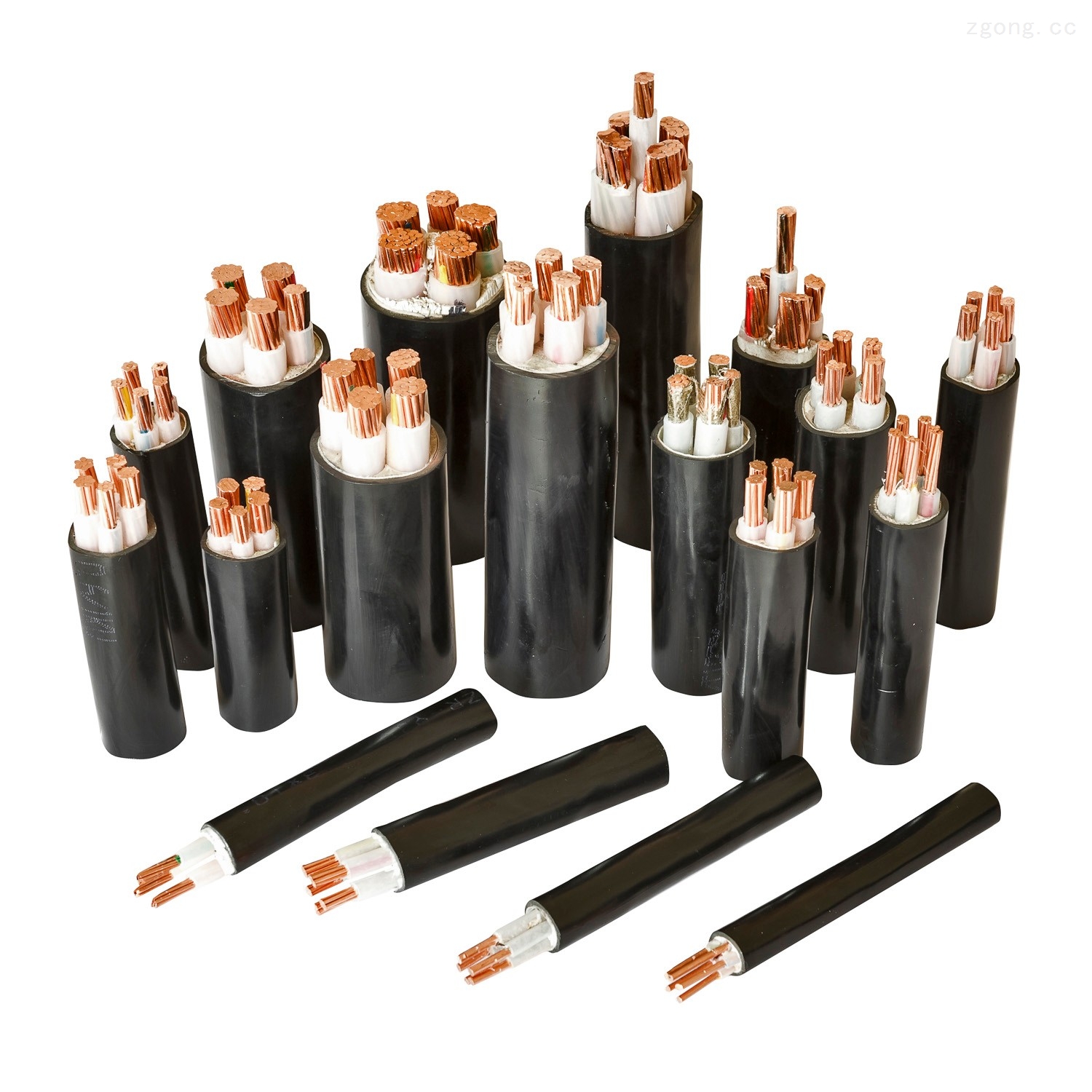
Buyers should review conductor compacting, XLPE insulation quality, semi-conductive layer smoothness, metallic screen structure, sheath bonding and drum winding. These details are difficult to judge from a short quotation line, but they affect partial discharge behavior, installation reliability and long-term sheath performance. A serious quotation should include a datasheet that makes these construction choices visible.
Cost and risk logic
The lowest price may hide missing test scope, smaller metallic screen, different moisture barrier or weaker packing. A more useful comparison is total risk: approval risk, test risk, site handling risk and future outage risk. For a high-voltage cable, one failure can cost more than the saving from a low quotation.
Specification table for RFQ
| Rated voltage | 64/110kV or project-defined voltage | |
| Conductor | Copper, compacted, required cross-section | |
| Insulation | XLPE with matched semi-conductive layers | |
| Metallic screen | Copper wire/tape or project-specified design | |
| Sheath | PE, PVC or special sheath according to route | |
| Testing | Routine tests, type test reference, inspection records | |
| Packing | Steel or reinforced drum with route-based drum length |
Model comparison
| Standard HV XLPE cable | Controlled substation or duct routes | Balanced cost and approval path |
| Water-blocked HV XLPE cable | Wet soil, duct condensation or long outdoor routes | Better moisture risk control |
| Special sheath HV cable | Chemical, UV or harsh industrial exposure | Improved environmental durability |
Additional Buyer FAQ
What is the most common delay in high-voltage cable procurement?
The most common delay is not production itself, but datasheet approval, test document review or unclear accessories interface.
Should accessories be purchased together with cable?
If the owner reviews the cable system as a package, joints and terminations should be discussed early even if they are bought separately.
Does copper conductor reduce all project risk?
Copper improves conductivity and compactness, but installation, screen design, sheath and testing still determine system reliability.
Can JINCHUAN support third-party inspection?
Yes, inspection requirements should be stated before production so the test schedule and witness points can be arranged.
What should be included in the purchase order?
The purchase order should include standard, voltage, structure, quantity, drum length, test scope, documents, packing and delivery terms.
How is drum length decided?
Drum length should be coordinated with route design, pulling equipment, joint plan, maximum drum weight and shipping limits.
Is IEC reference enough for approval?
IEC reference helps, but many owners also require local grid rules or project-specific acceptance documents.
FAQ
Is a 64-110kV copper XLPE power cable always the right choice?
No. It is suitable when the project voltage, current, loss requirement and approval standard justify copper conductor and high-voltage XLPE construction. Some routes may require different conductor material, sheath or accessories.
What information helps JINCHUAN quote faster?
Send voltage grade, cross-section, route length, installation method, standard, test requirement, packaging limit and destination. The phrase 64-110kV copper XLPE power cable should appear together with those technical details.
Can JINCHUAN support export documentation?
Yes. Buyers should confirm required test reports, certificate format, shipping marks and destination documents early so production and delivery records match the project approval process.
Authority references
For standard alignment, buyers may compare their project requirement with the official IEC pages for IEC 60502 series and relevant high-voltage cable system standards. These references help procurement teams avoid mixing medium-voltage and high-voltage acceptance logic.