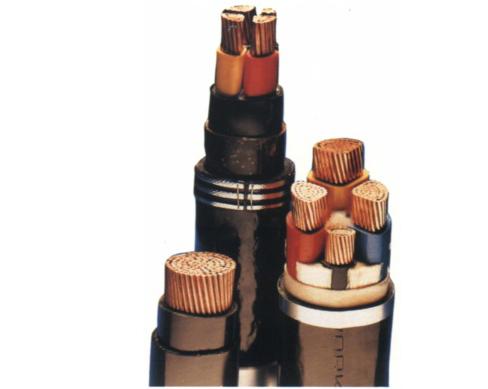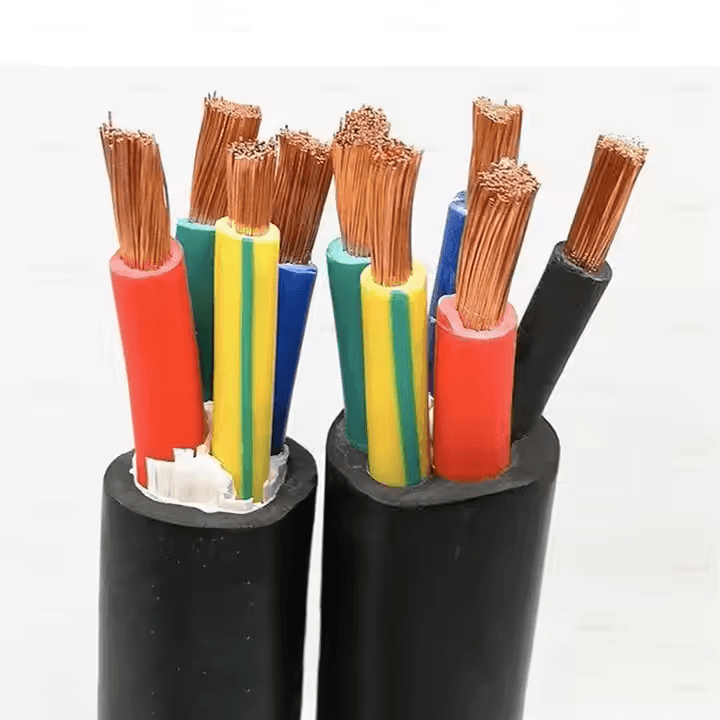

Practical answer: a cold resistant power cable is not just a normal cable shipped to a cold country. The sheath compound, bending condition, storage temperature, installation method and handling plan all affect whether the cable survives winter construction without cracking or hidden damage.
JINCHUAN often sees this requirement in mining sites, wind farms, outdoor substations, temporary construction power, ports and industrial facilities. In these projects, the cable may be unloaded in freezing weather, pulled across rough ground or installed before civil works are fully enclosed.
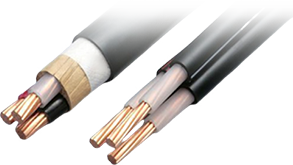
Why ordinary cable can fail in cold routes
Low temperature makes some sheath materials stiff. A cable that looks acceptable on the drum may crack when bent too tightly during installation. The risk is higher when the route includes sharp turns, rough pulling, repeated handling or outdoor storage. That is why a cold resistant power cable inquiry should mention both operating temperature and installation temperature.
Applications and non-fit cases
| Project scene | Why cold resistance matters | Extra detail to confirm |
|---|---|---|
| Wind or solar farm | Outdoor exposure and remote handling | UV, moisture, drum transport, route length |
| Mining project | Mechanical abuse and low temperature | Abrasion, oil, movement and armor need |
| Substation feeder | Reliability and approval records | Standard, test reports and sheath test |
| Temporary construction | Repeated movement | Flexibility and minimum bending temperature |
Specification points buyers should not skip
A cold resistant power cable should be selected with a minimum installation temperature, minimum operating temperature, sheath material, armor requirement and storage instruction. If the project only says “cold region,” suppliers may assume different temperature ranges. That makes quotations hard to compare.
For fixed outdoor power distribution, XLPE insulation with a suitable sheath may be appropriate. For routes with movement, buyers may need a more flexible structure. For direct burial, armor and moisture protection become more important than flexibility alone.
Packing and site handling
Cold-climate projects also need practical delivery planning. Drum strength, wrapping, lifting mark, storage direction and unloading equipment matter. A good cable can still be damaged if it is dropped, stored in standing water or bent below the recommended temperature.
JINCHUAN can help buyers match cable structure with outdoor route conditions. Review JINCHUAN power cable products and the power cable export packaging checklist when the project involves long-distance shipment.
RFQ notes
- State the lowest ambient temperature and installation temperature.
- Describe whether the cable is fixed, moved occasionally or frequently moved.
- Confirm UV, oil, moisture, abrasion and rodent exposure.
- Specify voltage, cores, conductor size, armor and sheath preference.
- Ask for handling guidance to be included with shipment documents.
Product positioning for harsh climates
A cold resistant power cable is selected when ordinary sheath behavior may not be reliable during storage, handling or installation in low-temperature environments. The requirement is common in wind farms, mines, outdoor substations, construction power, ports and remote industrial projects.
Buyer types and non-fit cases
This cable is useful for buyers who can describe temperature, route and movement. It is not useful when the phrase cold resistant is used without any operating or installation temperature. Without those numbers, suppliers may quote very different materials while using the same marketing phrase.
Material and handling details
Cold performance depends heavily on sheath compound and flexibility at low temperature. But buyers should also consider bending radius, cable storage, unloading method, pulling speed and whether the cable will be moved after installation. A cold resistant power cable can still be damaged if handled like a standard cable in freezing weather.
Long-term SEO and reusable project checklist
This type of content remains useful because harsh-climate cable decisions recur every winter season. Buyers can reuse the checklist for mining, wind, solar, port and northern industrial projects without depending on temporary market news.
Site acceptance in winter
Before installation, the receiving team should inspect drum condition, cable end sealing, visible sheath damage and storage position. If the cable was transported through very low temperatures, the installer should avoid immediate tight bending and follow the recommended handling instruction. This is especially important for long outdoor routes where a small sheath crack can become a moisture path after backfilling or snow melt.
Specification table for RFQ
| Temperature | Minimum operating and installation temperature | |
| Voltage | Low, medium or high voltage as project requires | |
| Conductor | Copper or aluminum by design | |
| Insulation | XLPE, PVC or project-specific material | |
| Sheath | Cold-resistant compound, UV or oil resistance if needed | |
| Installation | Fixed, mobile, direct burial, tray or duct | |
| Packing | Drum protection and cold-weather handling guidance |
Scenario comparison
| Wind farm | Low temperature, UV and remote handling | Cold-resistant sheath with packing control |
| Mining site | Abrasion, oil and mechanical stress | Stronger sheath and possible armor |
| Temporary construction | Movement and repeated handling | Flexible design and clear bending guidance |
Additional Buyer FAQ
Is cold resistant the same as weather resistant?
No. Weather resistance may include UV and moisture, while cold resistance focuses on low-temperature flexibility and handling.
What temperature should be written in the RFQ?
Write the lowest ambient temperature and the expected installation temperature separately.
Can a standard XLPE cable work in cold regions?
Sometimes, but sheath and installation conditions must be reviewed before deciding.
Why does bending radius matter more in winter?
Low temperature can stiffen the sheath, so tight bending increases cracking risk.
Should drums be stored indoors before installation?
If possible, controlled storage reduces handling risk; the final approach should follow the cable handling instruction.
Can JINCHUAN provide handling notes?
Yes, buyers can request packing and installation handling notes with the document package.
What is the biggest procurement mistake?
Using a vague cold-region description without temperature, route, movement and exposure details.
FAQ
Is cold resistance only about the sheath?
The sheath is important, but cable structure, bending radius, armor, packing and site handling also affect performance.
Can JINCHUAN quote a cold resistant power cable without a temperature value?
JINCHUAN can suggest options, but a target temperature range makes the quotation more accurate and avoids under-specification.
What documents should buyers ask for?
Ask for datasheet, routine test report, packing list, drum marking and any material or performance confirmation required by the project owner.
Authority references
For base power cable construction and testing language, the IEC 60502 series is a useful reference; cold-climate projects should combine standard requirements with specific environmental and handling conditions.