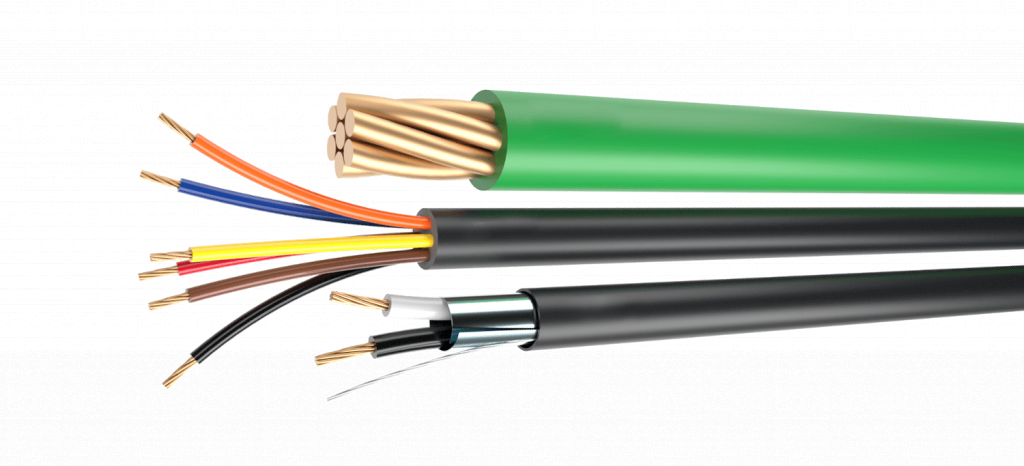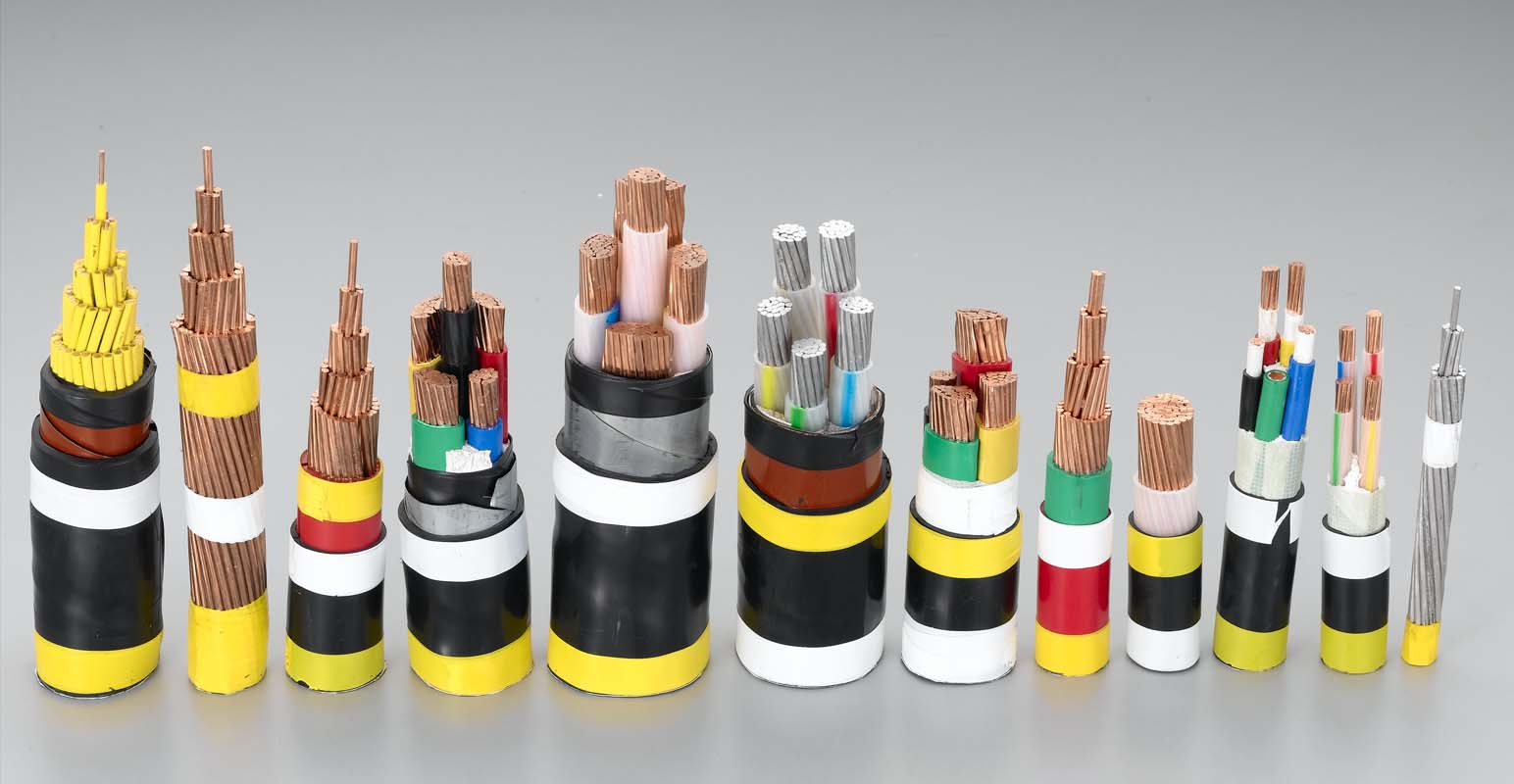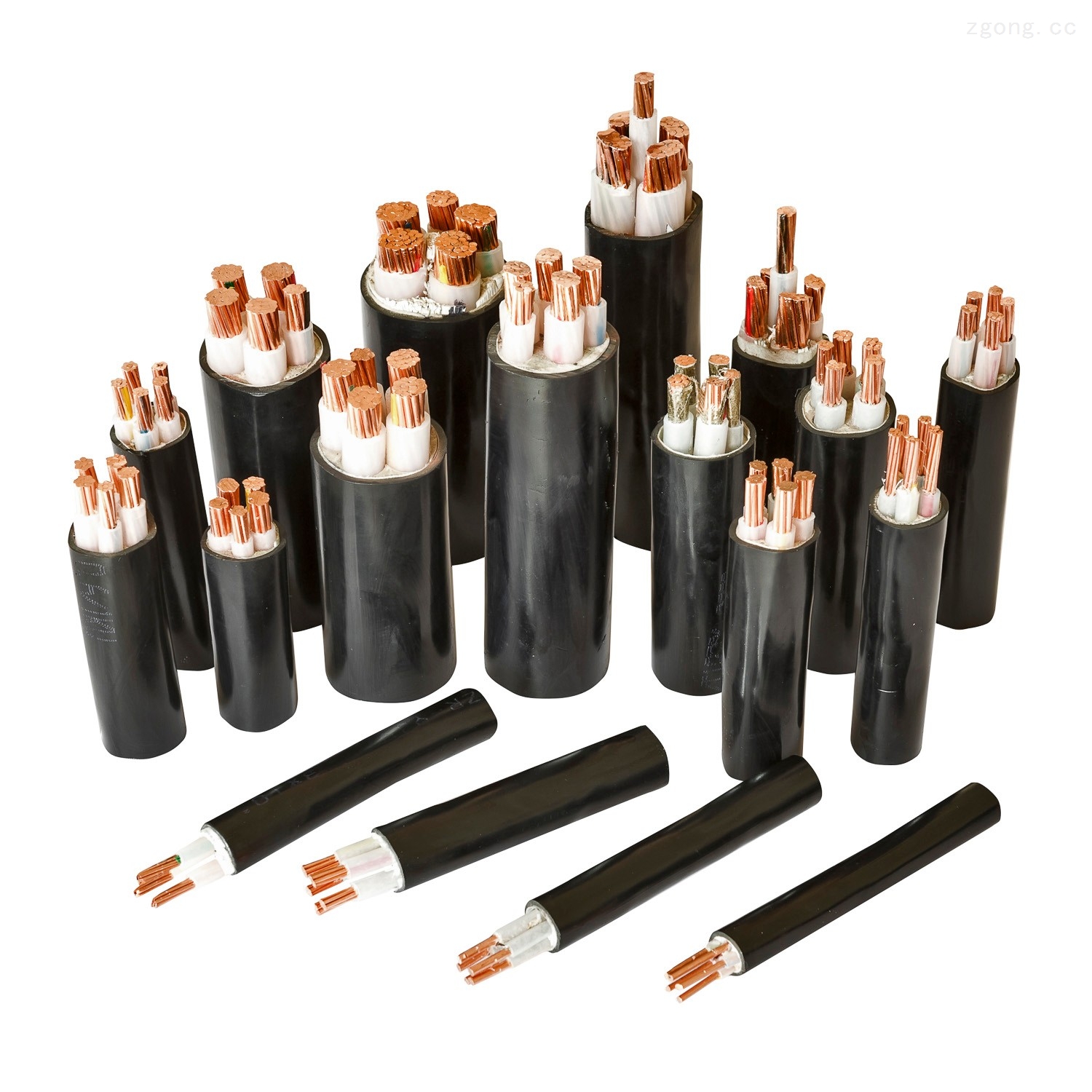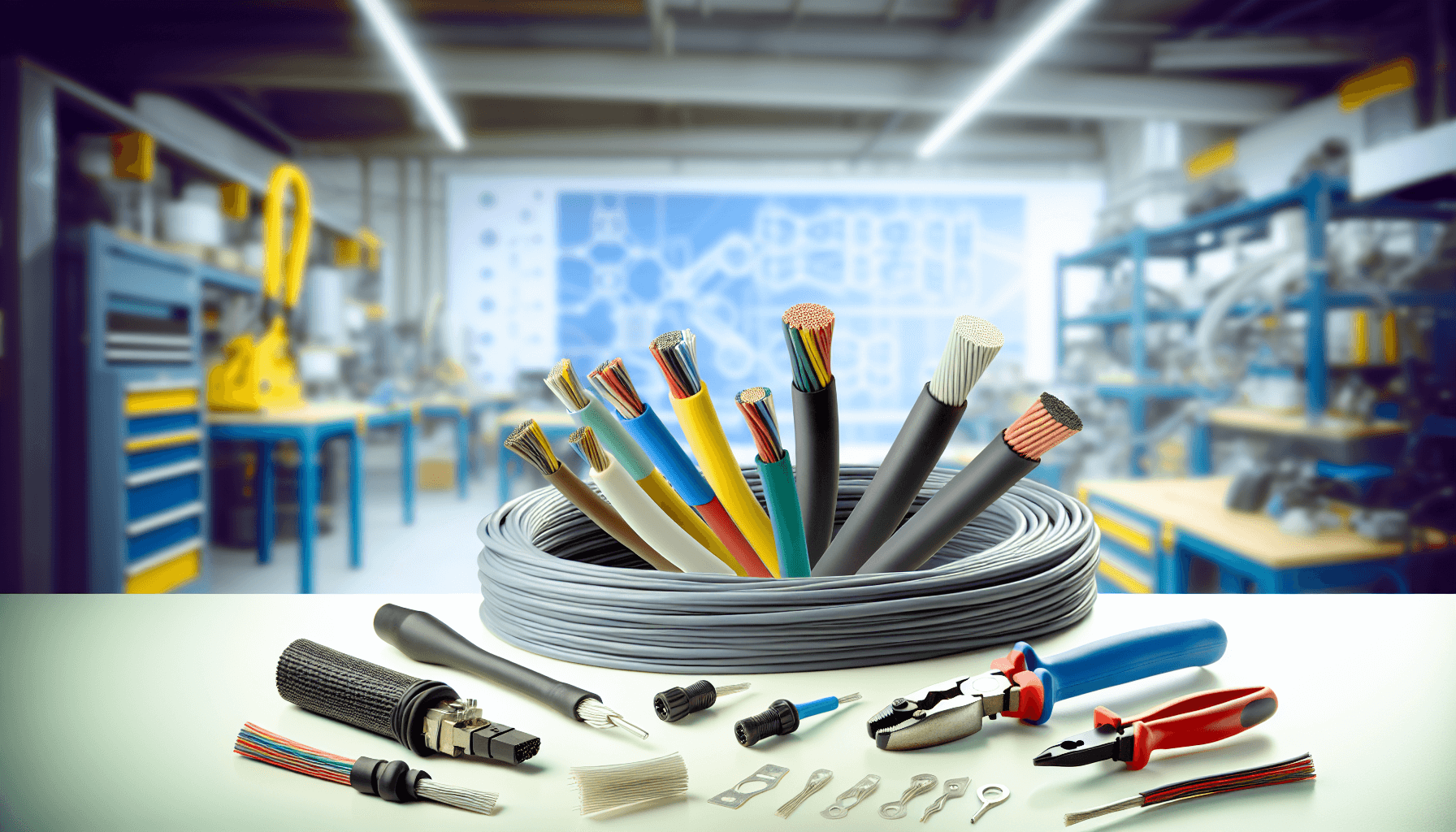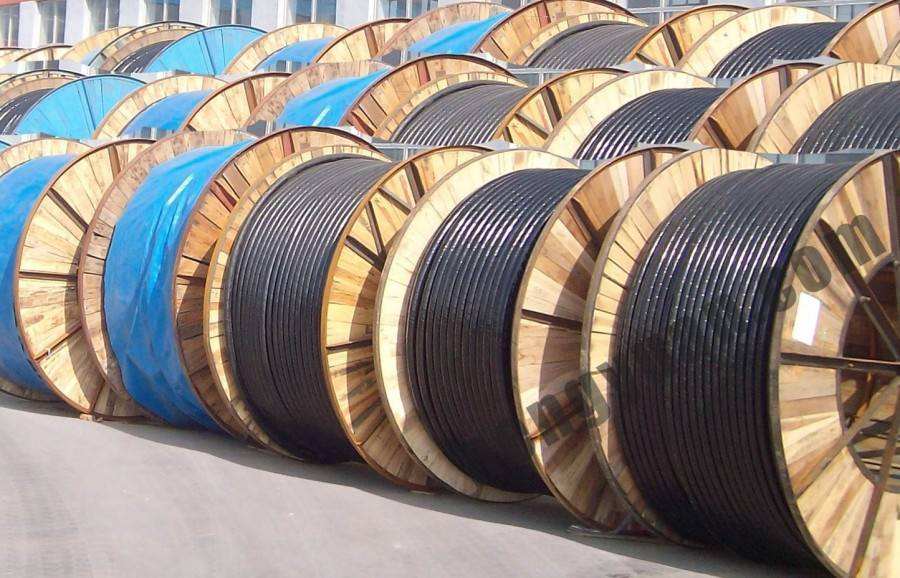

Solar farms, wind projects and energy storage sites require more than a single cable type. A complete renewable energy power system may include low voltage cables, medium voltage collection cables, high voltage grid connection cables, grounding conductors and control-related wiring. For EPC contractors and project owners, cable procurement must balance electrical performance, environmental durability, delivery schedule and documentation.
JINCHUAN supplies power cables, copper conductors, XLPE cables and customized cable solutions for global industrial and infrastructure projects.
Main Cable Types in Renewable Energy Projects
| Project Area | Common Cable Need |
|---|---|
| Inverter and transformer area | Low voltage and medium voltage power cables |
| Collector system | Medium voltage XLPE insulated cables |
| Grid connection | Medium or high voltage power cables depending on design |
| Grounding system | Copper conductor or flexible copper connection solutions |
| Outdoor routes | UV, moisture, cold or mechanical protection as needed |
Key Selection Questions
- What voltage levels are used from inverter output to grid connection?
- Will cables be installed underground, in trays, in ducts or outdoors?
- Does the project require armor, flame retardance, UV resistance or cold resistance?
- Which standards and test reports must be submitted to the owner?
- What drum length and delivery schedule match the construction plan?
Why Environmental Conditions Matter
Renewable energy projects are often located in deserts, mountains, coastal areas or cold regions. UV exposure, temperature swings, moisture, soil corrosion and mechanical stress can all affect cable life. Buyers should define these conditions clearly instead of only requesting a voltage grade and conductor size.
Standards and Documentation
Power cable requirements may reference IEC 60502 for low and medium voltage cables, IEC 60840 for higher voltage extruded cables, local grid rules and owner specifications. Documentation may include test reports, certificates, packing lists, cable drum schedules and inspection records. Clear documentation reduces approval delays.
Supplier Evaluation Checklist
When comparing cable suppliers, buyers should check technical response speed, experience with export projects, quality control process, copper conductor sourcing, customization capability, packaging quality and ability to support mixed cable lists. A supplier that can review the full cable schedule helps reduce mismatches between cable types.
Cost and Risk Control
The lowest cable price may not be the lowest project cost. Delayed delivery, incorrect sheath choice, insufficient testing or poor packaging can create installation delays and replacement costs. Good procurement should compare total value, not only unit price.
FAQ
What cable information should a solar EPC include in an RFQ?
Include voltage, conductor material, conductor size, cores, insulation, sheath, armor, standard, quantity, drum length, site environment and delivery destination.
Are medium voltage cables common in solar farms?
Yes. Medium voltage cables are commonly used in collection systems between transformers and substations, depending on project design.
Can JINCHUAN support renewable energy cable procurement?
Yes. JINCHUAN can review low voltage, medium voltage, high voltage and conductor requirements for renewable energy power projects.
Building a renewable energy project? Send your cable schedule to JINCHUAN for technical matching and quotation support.