
XLPE vs PVC Insulated Power Cable: Key Differences for Project Buyers
XLPE and PVC insulated power cables are widely used in electrical distribution, industrial facilities, construction projects and infrastructure systems. For project buyers, contractors and engineering teams, understanding the difference between XLPE and PVC cable is important when selecting a suitable cable solution.
Both cable types have their own advantages. XLPE cable is often selected for higher electrical performance and thermal stability, while PVC cable is commonly used in general electrical applications because of its flexibility, processability and cost efficiency. The right choice depends on the voltage level, installation environment, operating temperature, mechanical requirements and project standards.
What Is XLPE Insulated Power Cable?
XLPE stands for cross-linked polyethylene. It is a thermoset insulation material used in many low-voltage, medium-voltage and high-voltage power cables. Through cross-linking, the polyethylene material gains improved thermal, electrical and mechanical performance.
XLPE insulated power cable is commonly used in power transmission and distribution systems, industrial plants, substations, infrastructure projects and utility networks. It is especially suitable for applications where stable electrical performance and higher operating temperature resistance are required.
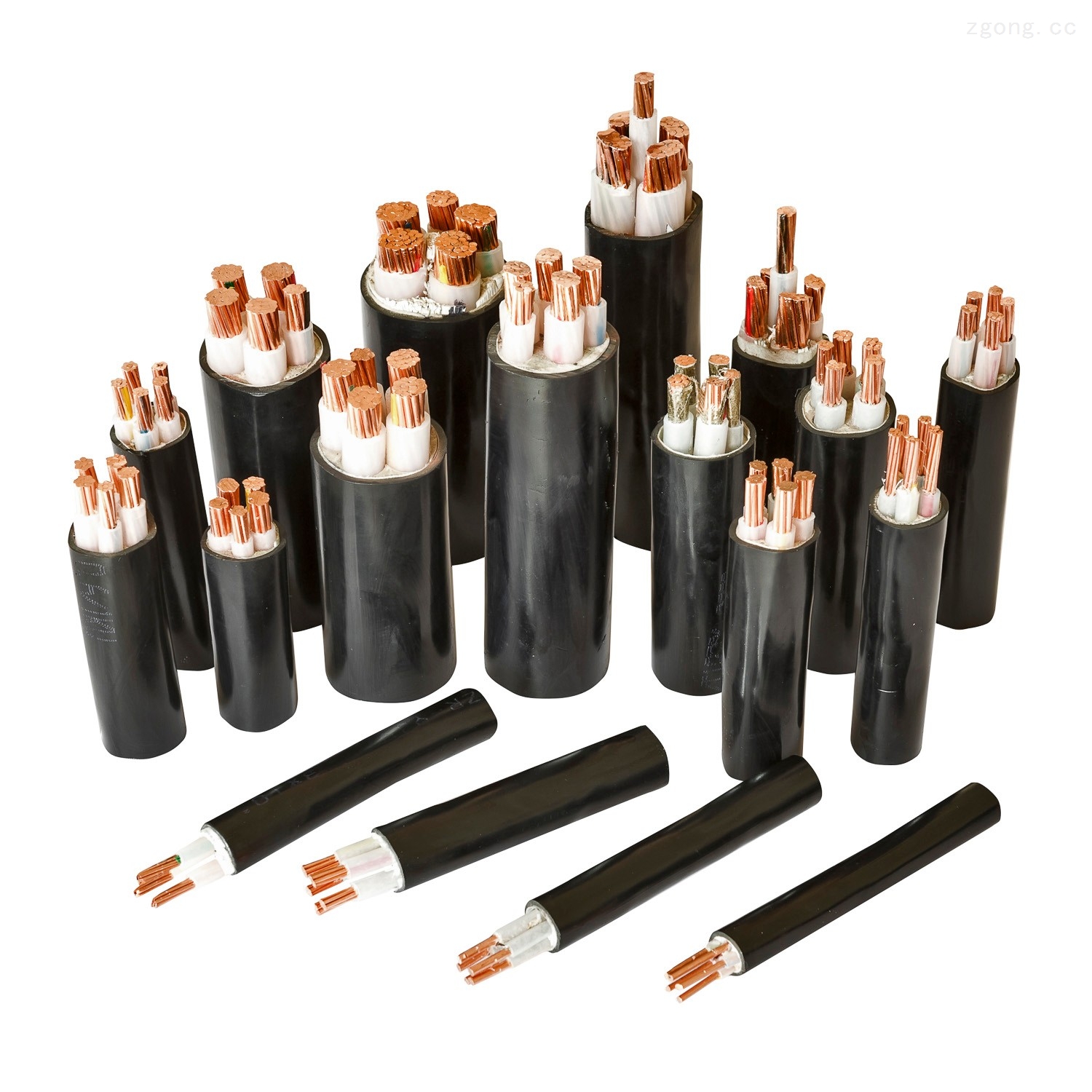
A typical XLPE power cable may include a conductor, XLPE insulation, shielding layer, inner sheath, armor and outer sheath. The cable structure can be customized based on voltage grade, conductor material, installation method and application environment.
What Is PVC Insulated Power Cable?
PVC stands for polyvinyl chloride. It is a thermoplastic insulation material widely used in electrical wires and power cables. PVC insulated cables are commonly used in building wiring, low-voltage power distribution, control systems, electrical equipment and general industrial applications.
PVC is valued for its flexibility, flame-retardant performance, processability and cost-effectiveness. It can also be formulated with different additives to improve certain properties, such as flame resistance, oil resistance or weather resistance.
Compared with XLPE, PVC is usually more suitable for lower voltage and general-purpose applications. It is widely used where the electrical and thermal requirements are not as demanding as medium-voltage or high-performance power systems.
Key Differences Between XLPE and PVC Cable
The main difference between XLPE and PVC cable is the insulation material. XLPE is a cross-linked thermoset material, while PVC is a thermoplastic material. This difference affects temperature resistance, electrical performance, mechanical properties and application suitability.
| Factor | XLPE Insulated Cable | PVC Insulated Cable |
|---|---|---|
| Insulation Material | Cross-linked polyethylene | Polyvinyl chloride |
| Thermal Performance | Better high-temperature resistance | Suitable for general operating conditions |
| Electrical Performance | Strong dielectric performance | Suitable for common low-voltage applications |
| Application Range | Power transmission, distribution, industrial and utility projects | Building wiring, low-voltage systems and general electrical use |
| Cost | Usually higher depending on cable structure | Usually more economical for general applications |
| Voltage Suitability | Commonly used for low, medium and high-voltage cables | Commonly used for low-voltage cables and wires |
Temperature Resistance
Temperature resistance is one of the most important differences between XLPE and PVC insulated cables. XLPE generally performs better in higher temperature environments because the cross-linked structure improves thermal stability.
For industrial power systems, power distribution networks and medium-voltage applications, higher operating temperature resistance can be important for long-term performance. This is one reason why XLPE cable is often preferred in demanding power projects.
PVC cable is suitable for many normal operating environments, especially where temperature conditions are not extreme. For general building wiring, low-voltage power supply and standard electrical installation, PVC insulated cable can be a practical and economical option.
Electrical Performance
XLPE insulation provides strong dielectric performance, which makes it suitable for applications that require stable electrical insulation under higher voltage or continuous operation. This is especially important for medium-voltage power cables, underground distribution systems and utility projects.
PVC insulation can meet many general electrical requirements, especially in low-voltage systems. However, for projects with higher voltage levels, stricter electrical performance requirements or more demanding operating environments, XLPE is often selected.
Mechanical and Environmental Performance
The mechanical and environmental performance of a cable depends not only on the insulation material but also on the complete cable structure, including sheath material, armor type and installation method.
XLPE cable can be combined with different sheath and armor designs to support underground installation, outdoor use, industrial environments and infrastructure projects. When mechanical protection is required, armored XLPE cable may be used to improve durability.
PVC cable is widely used in indoor, protected and general installation environments. PVC also provides good flame-retardant properties when properly formulated, which makes it suitable for many building and electrical applications.
When to Choose XLPE Insulated Power Cable
XLPE insulated power cable is often suitable for projects that require higher electrical performance, better thermal resistance and long-term stability. It is commonly selected for power transmission, distribution, industrial and infrastructure applications.
Common applications include:
- Medium-voltage power distribution
- Underground power cable systems
- Utility grid projects
- Industrial plants
- Substations and power facilities
- Renewable energy projects
- Railway and metro power systems
- Oil and petrochemical facilities
For projects with demanding voltage, current and environmental requirements, XLPE cable is often the more suitable choice.
When to Choose PVC Insulated Power Cable
PVC insulated power cable is often used in low-voltage electrical systems, building wiring, control circuits and general industrial applications. It is a practical option when the project requires cost efficiency and the operating conditions are not extremely demanding.
Common applications include:
- Building electrical wiring
- Low-voltage power distribution
- Control cable systems
- Electrical equipment connection
- Indoor cable installation
- Commercial and residential electrical systems
- General industrial power supply
For standard low-voltage applications, PVC cable can provide a reliable and economical solution.
How to Choose Between XLPE and PVC Cable
Choosing between XLPE and PVC cable should be based on actual project requirements instead of material name alone. Project buyers should consider the electrical system, installation environment, performance requirements and budget.
Important factors include:
- Voltage rating
- Current-carrying requirement
- Operating temperature
- Installation method
- Indoor or outdoor environment
- Underground or exposed installation
- Mechanical protection requirement
- Fire safety requirement
- Applicable project standards
- Budget and delivery requirements
If the project involves medium-voltage power distribution, harsh industrial environments or long-term utility operation, XLPE cable may be more suitable. If the project is a general low-voltage electrical installation with standard operating conditions, PVC cable may be a practical option.
Information Buyers Should Provide Before Requesting a Quote
To receive an accurate recommendation and quotation, buyers should prepare clear cable specifications before contacting a supplier. This helps avoid incorrect product selection and reduces communication time.
- Cable type
- Voltage rating
- Conductor material
- Cable size or cross-sectional area
- Number of cores
- Insulation material preference
- Outer sheath material
- Armor requirement
- Application environment
- Required standard
- Quantity or total length
If buyers are not sure whether XLPE or PVC is the right option, they can share the application scenario, voltage level and installation environment. A professional cable supplier can help recommend a suitable cable structure based on project needs.
How JinChuan Cable Supports Cable Selection
JinChuan Cable provides XLPE insulated power cables, PVC insulated cables, conductors and customized cable solutions for industrial, infrastructure, energy, railway, utility and construction projects.
For project-based cable procurement, JinChuan Cable can support specification review, cable structure recommendation, customization communication and quotation support. Buyers can submit technical requirements, drawings or application details to receive suitable product recommendations.
Conclusion
XLPE and PVC insulated power cables are both important cable types, but they are suitable for different applications. XLPE cable offers stronger thermal and electrical performance, making it suitable for power transmission, medium-voltage distribution and demanding industrial projects. PVC cable is widely used for low-voltage, building and general electrical applications because of its flexibility and cost efficiency.
The right choice depends on voltage level, operating environment, installation method, performance requirements and budget. Working with an experienced cable supplier can help buyers choose the most suitable cable solution for their project.
JinChuan Cable supports XLPE power cable, PVC cable and customized cable solutions for global industrial and infrastructure buyers.