
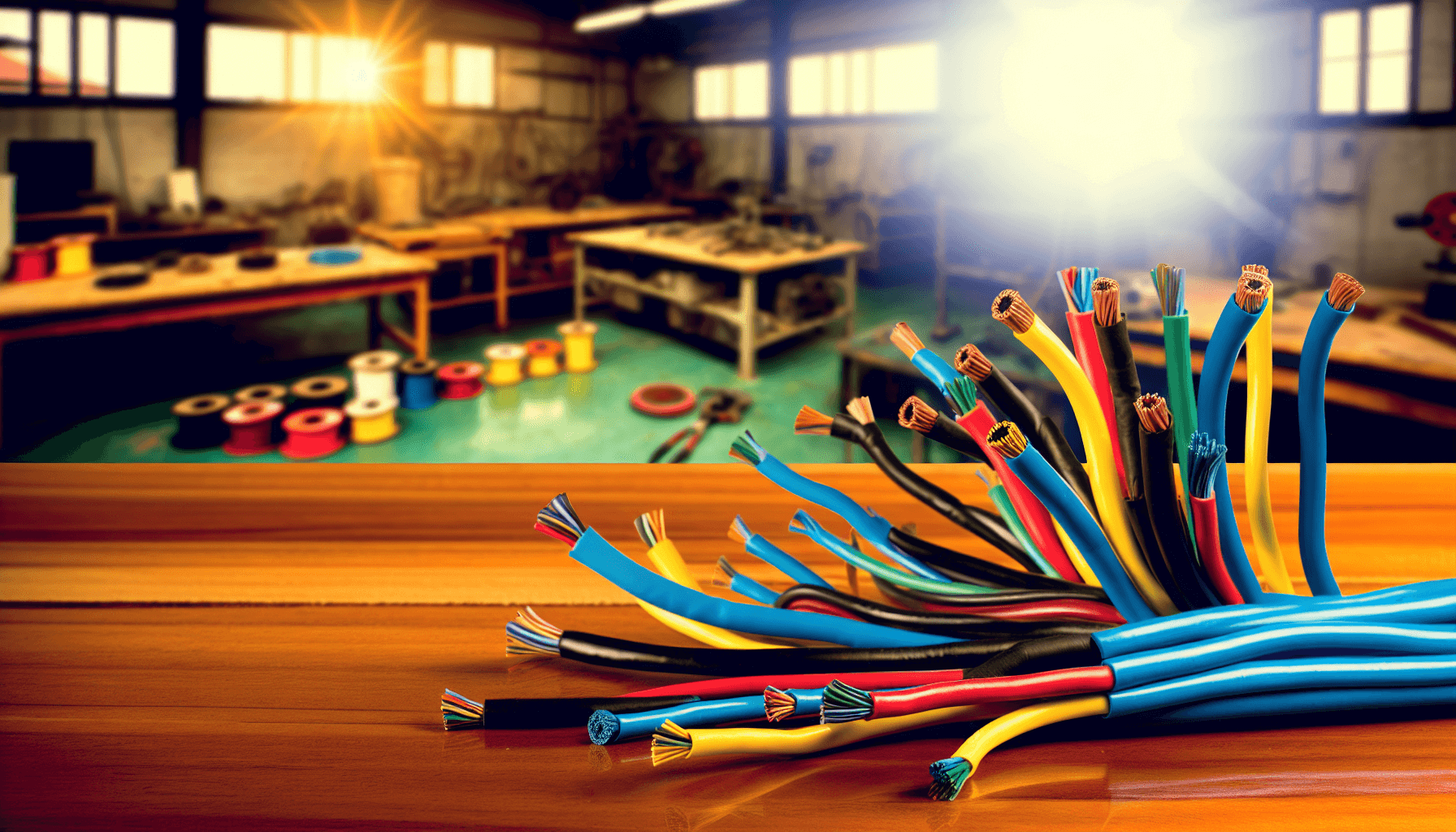
Flexible copper stranded conductor is widely used in power distribution, electrical equipment, grounding systems, industrial connections and customized cable solutions. For project buyers, contractors and electrical engineers, choosing the right flexible copper stranded conductor is important for stable conductivity, installation flexibility and long-term electrical performance.
Unlike solid conductors, a flexible copper stranded conductor is made from multiple copper strands. This structure improves flexibility and makes it suitable for applications where bending, movement, routing space or connection reliability is important.
What Is Flexible Copper Stranded Conductor?
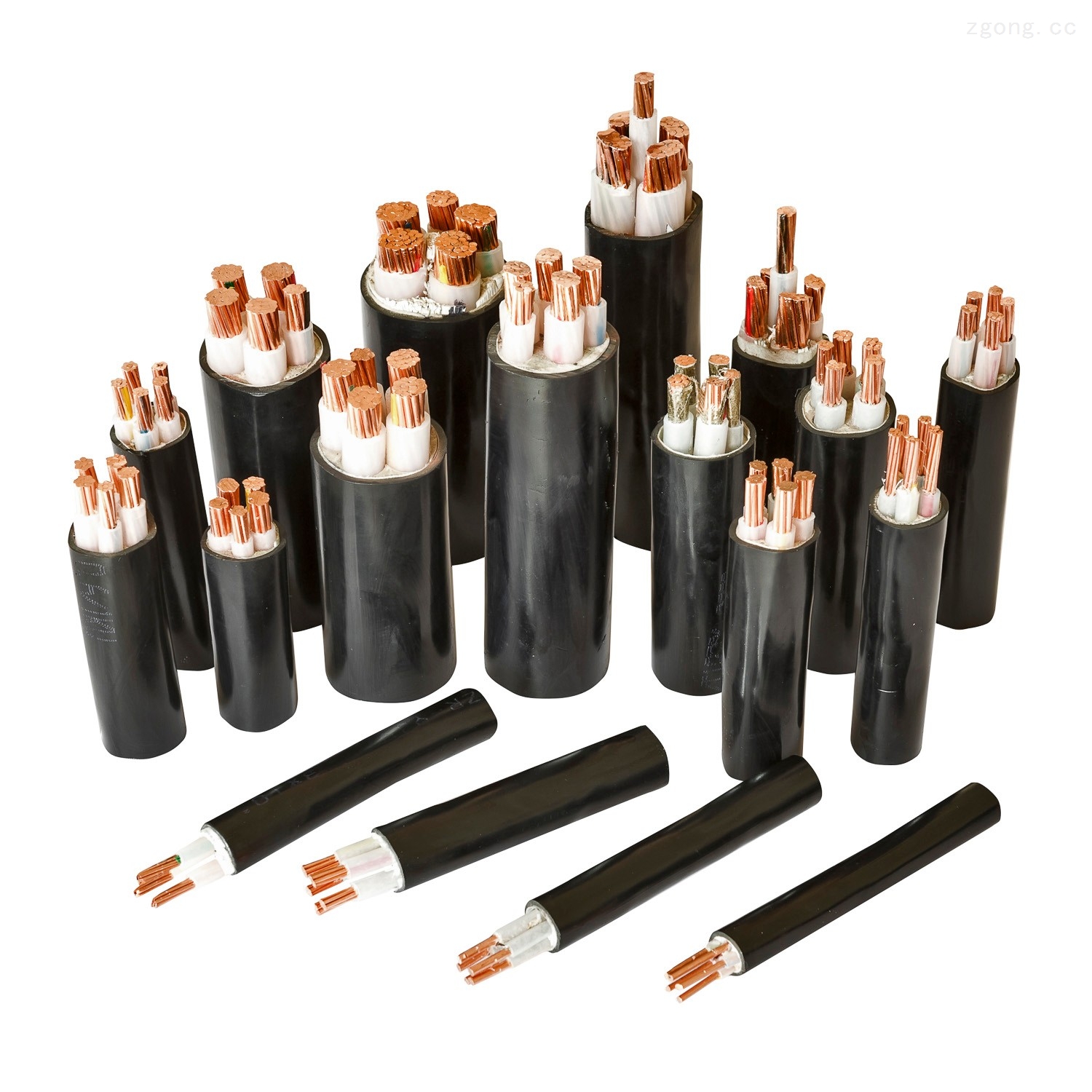
Flexible copper stranded conductor is an electrical conductor made by twisting or combining multiple fine copper wires together. The stranded structure allows the conductor to bend more easily than a solid copper conductor while still maintaining strong electrical conductivity.
This type of conductor is commonly used in electrical systems that require flexible connection, reliable current transmission and easier installation. It can be used as part of power cables, grounding systems, electrical equipment connections and customized conductor assemblies.
Because copper has excellent electrical conductivity, flexible copper conductors are often selected for applications where stable power transmission and compact electrical connection are required.
Key Advantages of Flexible Copper Stranded Conductor
The main advantage of flexible copper stranded conductor is its balance between conductivity and flexibility. The stranded design makes it easier to install in complex routes, equipment spaces and connection points compared with rigid solid conductors.
- High electrical conductivity
- Better flexibility than solid copper conductor
- Suitable for bending and routing applications
- Reliable performance in electrical connection systems
- Useful for power distribution and grounding applications
- Available for customized conductor requirements
- Suitable for industrial and infrastructure electrical projects
For many project applications, flexible copper stranded conductor helps improve installation efficiency while supporting stable electrical performance.
Common Applications of Flexible Copper Stranded Conductor
Flexible copper stranded conductor can be used in a wide range of electrical and industrial systems. It is especially suitable for applications where flexibility, conductivity and reliable connection are required at the same time.
- Power distribution systems
- Electrical equipment connection
- Grounding and earthing systems
- Switchgear and control cabinet connections
- Transformer and electrical room connections
- Industrial machinery and equipment wiring
- Custom cable and conductor assemblies
- Construction and infrastructure electrical systems
- Renewable energy and utility projects
In industrial projects, copper stranded conductors are often selected where electrical performance, mechanical flexibility and long-term reliability are all important.
Flexible Copper Stranded Conductor vs Solid Copper Conductor
Flexible copper stranded conductor and solid copper conductor are both used for electrical current transmission, but they are suitable for different applications. Solid copper conductor has a single rigid structure, while stranded conductor is made from multiple copper wires.
| Factor | Flexible Copper Stranded Conductor | Solid Copper Conductor |
|---|---|---|
| Structure | Multiple copper strands | Single solid copper core |
| Flexibility | Higher flexibility | More rigid |
| Installation | Suitable for bending and complex routing | Suitable for fixed and straight installation |
| Application | Equipment connection, grounding, power distribution | Fixed wiring and stable installation routes |
| Selection Focus | Flexibility, current capacity, strand structure | Conductor size, rigidity, fixed application |
If the project requires repeated bending, compact routing or flexible electrical connection, flexible copper stranded conductor is usually more suitable. If the application is fixed and does not require much movement or bending, solid copper conductor may also be considered depending on the system design.
Why Copper Is Commonly Used for Flexible Conductors
Copper is widely used in electrical conductors because of its strong conductivity, stable performance and good mechanical properties. In flexible conductor applications, copper provides a reliable current path while the stranded structure improves bendability.
For electrical systems where power loss, connection stability and long-term performance are important, copper conductor is often preferred. This makes flexible copper stranded conductor suitable for many industrial, commercial and infrastructure applications.
Important Specifications Buyers Should Confirm
Before purchasing flexible copper stranded conductor, buyers should confirm the key technical specifications. This helps the supplier understand the project requirement and provide a more accurate recommendation or quotation.
| Specification Item | What to Confirm | Why It Matters |
|---|---|---|
| Conductor Material | Copper material requirement | Affects conductivity and performance |
| Cross-Sectional Area | Required conductor size | Determines current-carrying capacity |
| Strand Structure | Number and diameter of strands | Affects flexibility and mechanical performance |
| Application | Power, grounding, equipment connection or custom use | Helps select suitable conductor structure |
| Installation Environment | Indoor, outdoor, cabinet, equipment room or industrial site | Affects conductor and protection requirements |
| Surface or Protection Requirement | Bare or project-specific treatment if required | Depends on application and environment |
| Standard | Project or regional standard | Ensures compliance with procurement requirements |
| Quantity | Total length, weight or package requirement | Needed for quotation and delivery planning |
How to Choose the Right Flexible Copper Stranded Conductor
Choosing the right flexible copper stranded conductor should be based on the electrical load, installation method, required flexibility and application environment. Buyers should not select only by material name. The conductor size, strand structure and project use should also be reviewed.
Important selection factors include:
- Required current-carrying capacity
- Conductor cross-sectional area
- Flexibility requirement
- Strand structure
- Connection method
- Installation space
- Indoor or outdoor use
- Grounding or power transmission application
- Required standard or project specification
- Packaging and delivery requirements
For applications with limited installation space or frequent bending requirements, a conductor with higher flexibility may be more suitable. For fixed power distribution systems, the selection should focus more on current capacity, conductor size and connection reliability.
Flexible Copper Stranded Conductor for Grounding Systems
Grounding and earthing systems often require conductors with reliable conductivity and stable electrical performance. Flexible copper stranded conductor can be used in grounding applications where flexible routing or connection is needed.
When selecting copper stranded conductor for grounding systems, buyers should confirm the required conductor size, installation method, connection points and applicable standards. The conductor should match the project’s electrical safety design and grounding requirements.
Flexible Copper Stranded Conductor for Electrical Equipment
Electrical equipment, switchgear, control cabinets and distribution systems may require flexible conductors for internal connection or power transfer. In these applications, flexibility can make installation easier and help adapt to limited equipment space.
For equipment-related applications, buyers should confirm conductor size, bending requirement, connection method and any insulation or protection requirements. If the conductor will be used as part of a custom assembly, drawings or technical details should be provided to the supplier.
Information Needed for a Flexible Copper Conductor Quotation
To receive an accurate quotation for flexible copper stranded conductor, buyers should prepare clear technical information before contacting a supplier. A complete inquiry helps reduce communication time and improves quotation accuracy.
- Conductor material requirement
- Cross-sectional area or conductor size
- Strand structure if specified
- Application environment
- Current-carrying requirement
- Grounding, power distribution or equipment connection use
- Required standard
- Total length or quantity
- Packaging requirement
- Delivery destination
Example of a Clear Inquiry
We are looking for flexible copper stranded conductor for an industrial electrical equipment connection project.
Material: Copper
Application: Electrical equipment connection
Required size: 120mm²
Structure: Flexible stranded conductor
Quantity: 3,000 meters
Installation: Indoor electrical room
Standard: Project specification available
Destination: Southeast Asia
Please provide quotation, technical datasheet and delivery time.
This type of inquiry helps the supplier understand the technical requirement and recommend a suitable conductor solution more efficiently.
Common Mistakes to Avoid When Buying Copper Stranded Conductor
Some procurement problems happen because buyers only provide a general product name without enough technical details. For flexible copper stranded conductor, flexibility and conductor size are both important, so the inquiry should be specific.
- Only asking for copper conductor price without size information
- Not confirming current-carrying requirements
- Ignoring flexibility and strand structure requirements
- Not describing the installation environment
- Missing grounding or equipment connection details
- Not providing quantity or delivery destination
- Not confirming required standards or documentation
FAQ About Flexible Copper Stranded Conductor
What is flexible copper stranded conductor used for?
Flexible copper stranded conductor is used for power distribution, electrical equipment connection, grounding systems, switchgear, control cabinets and customized conductor applications.
Why choose stranded copper conductor instead of solid copper conductor?
Stranded copper conductor provides better flexibility and is more suitable for bending, routing and flexible connection applications. Solid copper conductor is more rigid and often used in fixed installation.
Is flexible copper stranded conductor suitable for grounding?
Yes. It can be used in grounding and earthing systems when the conductor size, structure and installation method meet project requirements.
What information should I provide for quotation?
Buyers should provide conductor size, material requirement, strand structure if specified, application environment, required quantity, standard and delivery destination.
Can flexible copper stranded conductor be customized?
Project-specific conductor requirements can often be discussed based on size, structure, application and packaging needs. Buyers should provide drawings or technical specifications if customization is required.
Why Choose JinChuan Cable for Flexible Copper Stranded Conductor?
JinChuan Cable supplies flexible copper stranded conductor, copper conductors, power cables and customized cable solutions for industrial, infrastructure, energy, utility and electrical equipment applications.
For project buyers, JinChuan Cable can support specification review, conductor selection, customization communication and quotation preparation. Buyers can submit technical requirements, drawings or application details to receive suitable recommendations.
If you are looking for flexible copper stranded conductor for power distribution, grounding systems or electrical equipment connection, JinChuan Cable can support your project with conductor solutions and quotation assistance.
Conclusion
Flexible copper stranded conductor is an important electrical conductor solution for applications that require both conductivity and flexibility. It is widely used in power distribution, grounding systems, electrical equipment, switchgear and customized conductor assemblies.
To choose the right flexible copper stranded conductor, buyers should review conductor size, strand structure, current capacity, installation environment, application type and project standards. Working with a professional copper conductor supplier can help reduce selection risk and improve procurement efficiency.
JinChuan Cable supports flexible copper stranded conductor and customized conductor solutions for global project buyers and industrial applications.