
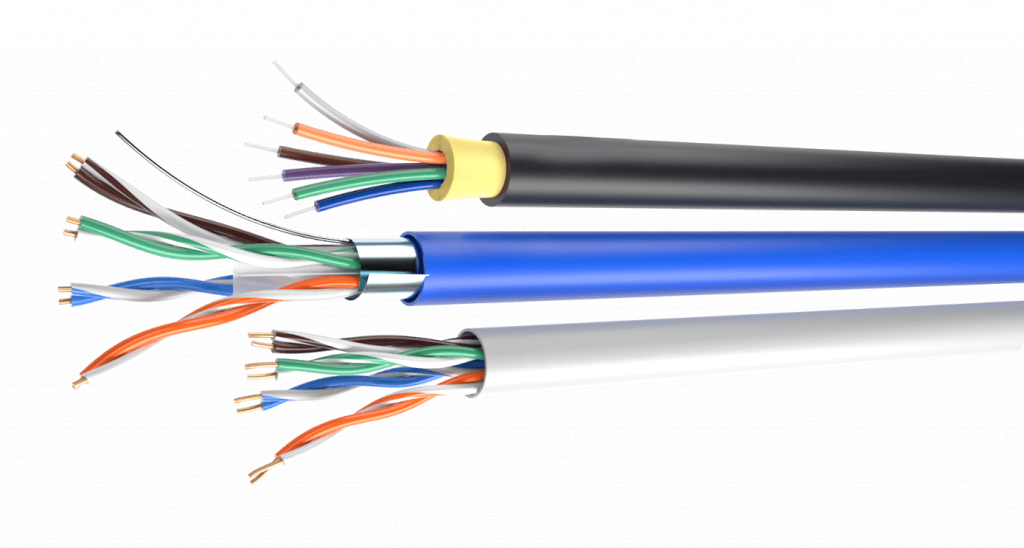
PVC power cable for low voltage distribution is widely used in building electrical systems, industrial facilities, distribution cabinets, commercial projects, electrical equipment connection and infrastructure power systems. For project buyers, contractors and electrical engineering teams, choosing the right PVC power cable is important for safe installation, stable power supply and long-term electrical performance.
Low voltage distribution projects may seem simpler than medium voltage cable projects, but buyers still need to confirm voltage rating, conductor material, conductor size, number of cores, insulation structure, armor requirement, sheath material, fire safety requirements, installation environment and project standards before requesting a quotation.
What Is PVC Power Cable?
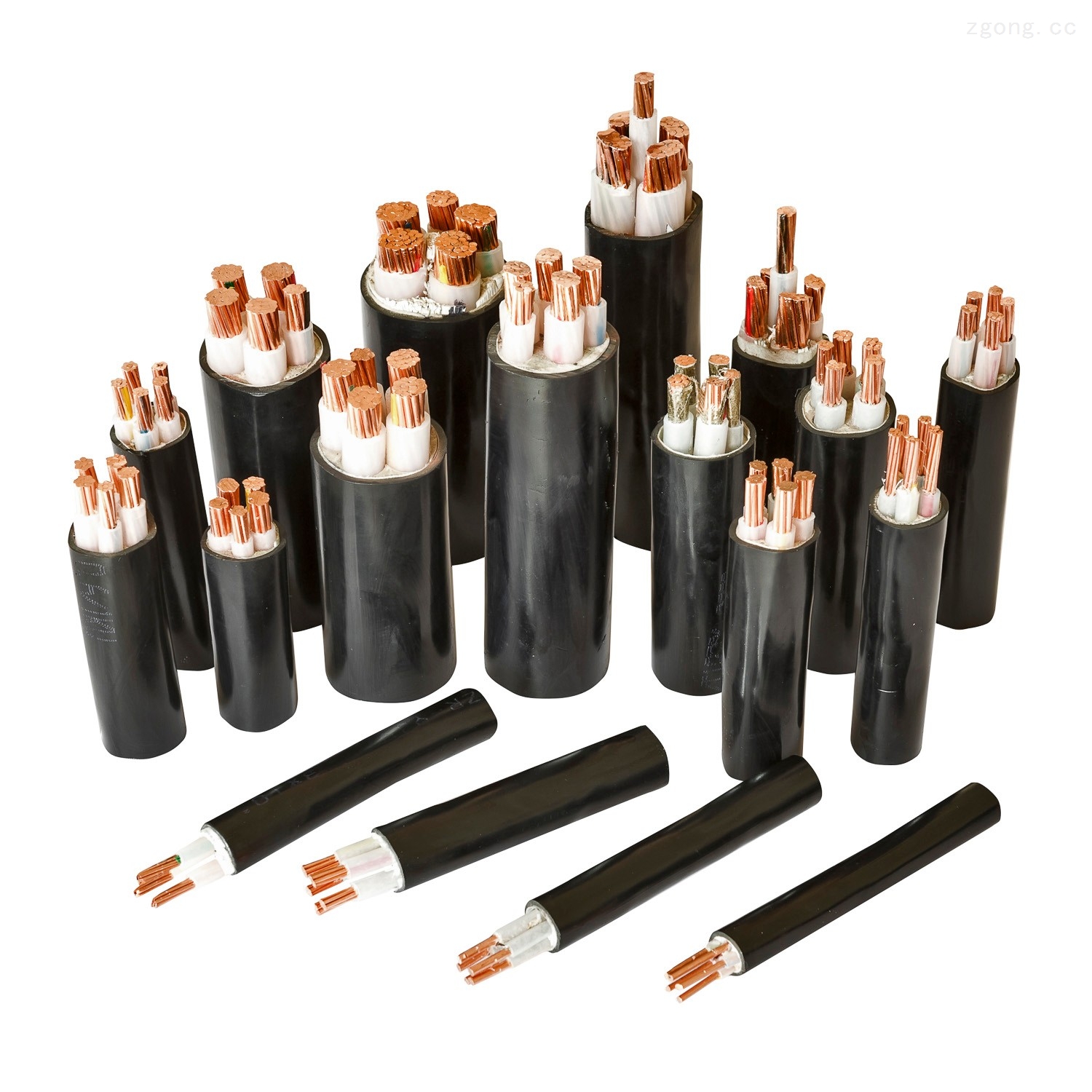
PVC power cable is a power cable that uses polyvinyl chloride as insulation or sheath material. PVC is widely used in low voltage cable applications because it provides practical electrical insulation, mechanical protection, flame-retardant options and cost efficiency for many standard electrical systems.
PVC insulated power cable is commonly used in low voltage power distribution, building wiring, electrical equipment connection, distribution cabinets, control systems and general industrial applications.
A typical PVC power cable may include copper or aluminum conductor, PVC insulation, filler or wrapping layer, optional armor and PVC outer sheath. The final cable structure depends on voltage rating, number of cores, installation method and project requirements.
Common Applications of PVC Power Cable for Low Voltage Distribution
PVC power cable is suitable for many low voltage electrical systems. It is often selected when the project requires reliable power distribution, installation convenience and cost-effective cable performance.
- Building electrical systems
- Low voltage power distribution networks
- Distribution cabinets and switchgear
- Commercial and residential facilities
- Industrial equipment connection
- Construction and infrastructure projects
- Mechanical and electrical systems
- Lighting and auxiliary power systems
- Indoor fixed cable installation
For each application, buyers should select the PVC insulated power cable according to current load, cable route, installation environment, fire safety requirements and applicable standards.
Key Specifications Buyers Should Confirm
Before ordering PVC power cable for low voltage distribution, buyers should confirm complete technical specifications. This helps the supplier recommend a suitable cable structure and provide an accurate quotation.
| Specification Item | What to Confirm | Why It Matters |
|---|---|---|
| Voltage Rating | Low voltage or project-specific rating | Determines cable insulation and application range |
| Conductor Material | Copper or aluminum | Affects conductivity, weight, size and cost |
| Conductor Size | Required cross-sectional area | Determines current-carrying capacity |
| Number of Cores | Single-core, two-core, three-core, four-core or multi-core | Affects electrical system design and installation |
| Insulation Material | PVC insulation | Provides insulation for low voltage applications |
| Armor Requirement | Armored or non-armored | Provides mechanical protection when required |
| Outer Sheath | PVC or project-specified sheath | Protects the cable from installation and environmental conditions |
| Standard | IEC, GB/T or project-specific standard | Ensures compliance with procurement requirements |
Why PVC Is Used for Low Voltage Power Cables
PVC is widely used in low voltage power cables because it offers practical insulation performance, processability and cost efficiency. It can be used for fixed installation in buildings, industrial facilities, commercial projects and general electrical systems.
For many low voltage distribution projects, PVC insulated power cable provides a suitable balance between performance and budget. It can also be designed with different core numbers, conductor materials and armor structures to match project requirements.
However, buyers should still confirm whether PVC cable meets the fire safety, temperature, environmental and installation requirements of the project.
Copper or Aluminum Conductor?
PVC power cable can use copper or aluminum conductors. Copper conductor provides high electrical conductivity, compact cable size and stable performance. It is commonly used in building distribution, equipment connection, distribution cabinets and applications where reliable current transmission is important.
Aluminum conductor is lighter and may provide cost advantages for larger low voltage distribution projects. It may be suitable when the electrical design allows larger conductor size and when project budget control is important.
| Conductor Material | Main Advantages | Typical Low Voltage Use |
|---|---|---|
| Copper Conductor | High conductivity, compact size, stable performance | Distribution cabinets, buildings, equipment connection, electrical rooms |
| Aluminum Conductor | Lightweight and cost-effective for larger projects | Low voltage distribution, infrastructure systems and longer cable routes |
The final selection should be based on current-carrying capacity, cable route length, installation space, project budget and required standards.
How to Choose the Right Cable Size
Cable size directly affects current-carrying capacity, voltage drop and safe operation. If the conductor size is too small for the electrical load, the cable may overheat or fail to support stable power distribution.
Buyers should provide the required cross-sectional area, such as 10mm², 25mm², 50mm², 70mm², 120mm² or other project-specific sizes. If the cable size is not confirmed, buyers can provide current load, cable route length, voltage rating and installation method for further technical communication.
For low voltage distribution systems, conductor size should follow electrical design, load calculation and applicable project standards.
Single-Core or Multi-Core PVC Power Cable?
PVC power cable can be produced as single-core or multi-core cable depending on the electrical system. Single-core PVC cables are often used where each conductor is installed separately, while multi-core cables combine multiple insulated conductors in one cable structure.
Common low voltage applications may require two-core, three-core, four-core or five-core cable structures depending on the system design.
| Cable Structure | Main Feature | Typical Application |
|---|---|---|
| Single-Core PVC Cable | One conductor in one cable | Distribution cabinets, fixed wiring and separate conductor routes |
| Multi-Core PVC Cable | Multiple insulated conductors in one cable | Building distribution, equipment connection and compact installation |
Buyers should confirm the required number of cores from project drawings or electrical specifications before requesting a quotation.
Armored or Non-Armored PVC Power Cable?
PVC power cable can be designed as armored or non-armored depending on installation environment. Armor provides additional mechanical protection against external pressure, impact and installation damage.
Armored PVC power cable may be required for underground installation, cable trenches, direct burial or industrial environments where mechanical damage may occur. Non-armored PVC cable may be suitable for protected indoor routes, ducts, conduits or cable trays.
- Choose armored cable for underground routes, cable trenches or direct burial
- Choose armored cable for mechanically demanding industrial environments
- Choose non-armored cable for protected indoor ducts, conduits or cable trays
- Confirm steel tape armor or steel wire armor according to project requirements
PVC Power Cable vs XLPE Power Cable
PVC power cable and XLPE power cable are both used in electrical projects, but they are suitable for different applications. PVC power cable is commonly used for low voltage and general electrical systems, while XLPE power cable is often used for medium voltage and demanding power distribution projects.
| Factor | PVC Power Cable | XLPE Power Cable |
|---|---|---|
| Insulation Material | Polyvinyl chloride | Cross-linked polyethylene |
| Typical Application | Low voltage distribution, buildings, equipment connection | Medium voltage distribution, substations, industrial systems |
| Selection Focus | Core number, conductor size, installation convenience and cost efficiency | Voltage rating, shielding, armor, electrical performance and reliability |
| Project Use | General low voltage electrical systems | Demanding power distribution and infrastructure systems |
If the project is a low voltage building or general industrial electrical system, PVC power cable may be suitable. If the project involves medium voltage distribution, substations or demanding industrial applications, XLPE power cable may be more appropriate.
Fire Safety Requirements for Low Voltage Distribution
Fire safety may be important in buildings, commercial facilities, public infrastructure, tunnels, data centers and enclosed spaces. Depending on project specifications, cables may need flame-retardant, fire-resistant or low smoke halogen-free performance.
Standard PVC power cable may not meet every fire safety requirement. Buyers should confirm whether the project requires special flame-retardant performance, fire-resistant cable or LSZH sheath before requesting a quotation.
Fire safety details to confirm include:
- Whether flame-retardant cable is required
- Whether fire-resistant cable is required
- Whether LSZH sheath is required
- Whether the cable is used in public buildings, tunnels or enclosed spaces
- Required project standard and documentation
Installation Environment Matters
The installation environment directly affects cable structure selection. A PVC power cable used in an indoor electrical room may require a different structure from one installed outdoors, underground or in an industrial plant.
Buyers should clearly describe the installation method:
- Indoor electrical room
- Distribution cabinet
- Cable tray
- Duct or conduit
- Underground cable trench
- Direct burial
- Industrial equipment area
- Building or commercial facility
This information helps the supplier confirm whether armor, sheath material or special protection is required.
How to Choose PVC Power Cable for Low Voltage Distribution
Choosing the right PVC power cable for low voltage distribution requires reviewing the electrical system and installation environment together. Buyers should avoid selecting only by product name or price.
Important selection factors include:
- Voltage rating
- Current-carrying capacity
- Conductor material: copper or aluminum
- Conductor size
- Number of cores
- Armored or non-armored structure
- Outer sheath requirement
- Indoor, outdoor or underground installation
- Fire safety requirement if applicable
- Required standards and documentation
- Quantity and delivery schedule
Common Procurement Mistakes to Avoid
Some PVC cable procurement problems happen because buyers provide incomplete information or compare quotations based on different cable structures. Low voltage cable procurement still requires accurate technical details.
- Only asking for PVC cable price without specifications
- Not confirming voltage rating
- Not providing conductor material and size
- Missing number of cores
- Ignoring fire safety requirements
- Choosing non-armored cable for underground routes without protection
- Not describing the installation environment
- Not providing quantity or delivery destination
Information Needed for a PVC Power Cable Quotation
To receive an accurate quotation, buyers should prepare complete technical and project information before contacting a supplier.
- Application: building distribution, equipment connection or industrial power supply
- Voltage rating
- Conductor material: copper or aluminum
- Conductor size or cross-sectional area
- Number of cores
- Armored or non-armored requirement
- Outer sheath requirement
- Fire safety requirement if applicable
- Installation method
- Required standard
- Total length or quantity
- Delivery destination
- Required technical documents
Example of a Clear PVC Power Cable Inquiry
We are looking for PVC power cable for a low voltage distribution project.
Application: Building distribution cabinet connection
Voltage: Low voltage system
Conductor: Copper
Core: Four-core
Size: 4x70mm²
Insulation: PVC
Outer sheath: PVC
Armor: Non-armored
Installation: Indoor cable tray
Quantity: 2,000 meters
Standard: IEC or equivalent
Destination: Southeast Asia
Required documents: Technical datasheet and quotation
This type of inquiry helps the supplier understand the project requirement and prepare a more accurate cable recommendation.
FAQ About PVC Power Cable for Low Voltage Distribution
What is PVC power cable used for?
PVC power cable is used for low voltage power distribution, building electrical systems, distribution cabinets, equipment connection, commercial facilities and general industrial applications.
Is PVC power cable suitable for building electrical systems?
Yes. PVC insulated power cable is commonly used in building electrical systems and low voltage distribution when the cable structure meets project requirements.
What is the difference between PVC power cable and XLPE power cable?
PVC power cable is commonly used for low voltage and general electrical systems, while XLPE power cable is often used for medium voltage and more demanding power distribution projects.
Can PVC power cable be armored?
Yes. PVC power cable can be designed with armor when mechanical protection is required for underground installation, cable trenches or industrial environments.
What information should I provide for quotation?
Buyers should provide application, voltage rating, conductor material, conductor size, number of cores, armor requirement, sheath requirement, installation method, standard, quantity and delivery destination.
Why Choose JinChuan Cable for PVC Power Cable?
JinChuan Cable supplies PVC power cables, PVC insulated power cables, XLPE insulated power cables, 6-35kV XLPE power cables, conductors and customized cable solutions for construction, industrial, infrastructure, energy and utility projects.
For project buyers, JinChuan Cable can support cable specification review, conductor selection, cable structure recommendation, armor requirement communication and quotation preparation. Buyers can submit technical specifications, drawings or installation details to receive suitable cable recommendations.
If you need PVC power cable for low voltage distribution, you can explore PVC insulated power cable, review JinChuan Cable products or request a cable quotation based on your project requirements.
Conclusion
PVC power cable for low voltage distribution is a practical cable solution for building electrical systems, industrial facilities, distribution cabinets, equipment connection and infrastructure projects. To choose the right PVC power cable, buyers should confirm voltage rating, conductor material, conductor size, number of cores, armor, sheath, fire safety requirements and installation environment.
To reduce procurement risk, buyers should provide complete technical information before requesting a quotation. JinChuan Cable supports PVC power cable and customized cable solutions for global low voltage distribution projects.