
+86 133 7846 9210
Same-day shipping with tracking.
Thank you for visiting Jinchuan Group.
Welcome to Jinchuan Group

How to Request a Power Cable Quotation: What Buyers Should Prepare

How to Request a Power Cable Quotation: What Buyers Should Prepare Requesting a power cable quotation may seem simple, but for industrial, infrastructure and energy projects, accurate technical information is essential. A clear request helps the cable supplier recommend the right product, calculate pricing more efficiently and avoid delays during procurement.  For international buyers, contractors and project teams, preparing the right cable information before sending an inquiry can improve communication, reduce quotation errors and make the procurement process much smoother.  Why a Clear Cable Inquiry Matters Power cables are used in many different environments, including power grids, industrial plants, buildings, renewable energy projects, railway systems and oil and petrochemical facilities. Different projects may require different voltage levels, conductor materials, insulation types, sheath materials, armor structures and standards.  If the inquiry only says “we need power cable,” the supplier cannot accurately confirm the cable type or price. A clear inquiry allows the supplier to understand the project requirements and provide a more suitable quotation.  For project-based cable procurement, even small specification differences can affect the final product structure, cost and delivery plan. That is why buyers should prepare key technical details before requesting a quote.  Basic Information to Include in a Cable Quotation Request When requesting a power cable quote, buyers should provide the basic product information first. This includes the cable type, voltage rating, conductor material, cable size and required quantity.  The most useful information usually includes:  Cable type Voltage rating Conductor material Conductor size or cross-sectional area Number of cores Insulation material Sheath material Armor requirement Required length or quantity Application environment For example, an inquiry for medium-voltage XLPE insulated power cable should include whether the conductor is copper or aluminum, the voltage grade, cable size, number of cores and installation method.  Voltage Rating Voltage rating is one of the most important details in a power cable quotation. Different voltage grades require different cable structures, insulation thicknesses and production requirements.  Buyers should clearly mention whether the cable is for low-voltage, medium-voltage or other project-specific voltage requirements. If the project uses a specific local electrical design, the voltage rating should follow the project specification.  Common examples may include low-voltage power cables, 6/10kV cables, 8.7/15kV cables, 26/35kV cables or other voltage grades depending on project requirements.  Conductor Material The conductor material is usually copper or aluminum. Copper offers excellent electrical conductivity and is commonly used where compact size and strong performance are required. Aluminum is lighter and may be more cost-effective for long-distance power distribution or overhead applications.  If the project specification already defines the conductor material, buyers should include it in the inquiry. If not, the supplier can help recommend a suitable option based on application, budget and installation environment.  Cable Size and Number of Cores Cable size directly affects current-carrying capacity and product cost. Buyers should provide the required cross-sectional area, such as 35mm², 70mm², 120mm², 240mm² or other project-specific sizes.  The number of cores should also be clearly stated. Some applications may require single-core cables, while others require three-core or multi-core cable structures. This detail is especially important for power distribution, industrial systems and underground installation.  Insulation, Sheath and Armor Requirements Cable structure can vary depending on the installation environment. Some projects require armored cables for mechanical protection, while others may use non-armored cables for fixed indoor or protected installation.  Buyers should confirm whether the cable needs:  XLPE or PVC insulation PVC, PE or LSZH outer sheath Single-core or multi-core structure Armored or non-armored design Steel wire armor or steel tape armor Copper tape screen or wire screen Flame-retardant or fire-resistant performance These details can affect both cable performance and quotation. For harsh environments, the sheath and armor structure should be selected carefully to improve durability and long-term safety.  Application Environment The installation environment helps determine the suitable cable design. Cables used underground, outdoors, in chemical plants or in high-temperature environments may require different materials and protection levels.  Buyers should tell the supplier where the cable will be used, such as:  Underground installation Cable trench Industrial plant Power station Outdoor environment Railway or metro system Renewable energy project Oil and petrochemical facility Data center or telecommunications infrastructure This helps the supplier recommend the right cable structure, sheath material and protection design for the actual working environment.  Standards and Documentation Many engineering projects require cables to comply with specific standards or provide technical documentation. Buyers should mention any required standards, test reports, certificates or project documents during the inquiry stage.  If the buyer is not sure which standard applies, it is still helpful to share the destination country, project type and application environment. The supplier can then support technical communication and product recommendation based on the project situation.  For large infrastructure, energy and utility projects, documentation may be an important part of the procurement process. Buyers may need technical datasheets, test reports, packing details, certificates or other supporting files.  Quantity and Delivery Requirements Quantity is necessary for pricing. Buyers should provide the total length, drum length or estimated project demand. Packaging and delivery requirements should also be mentioned, especially for international shipments.  For large-scale projects, phased delivery, special packaging or project documentation may be required. These details should be discussed early to avoid delays during production and shipment.  Example of a Clear Power Cable Inquiry A clear inquiry can look like this:  We are looking for XLPE insulated medium-voltage power cable for an industrial project.  Voltage: 6/10kV Conductor: Copper Core: 3-core Insulation: XLPE Sheath: PVC Armor: Steel wire armored Size: 3x120mm² Quantity: 5,000 meters Application: Underground power distribution Destination: Middle East Required standard: IEC or equivalent Please provide quotation, technical datasheet and delivery time.  This type of inquiry helps the supplier respond faster and more accurately. It also reduces the need for repeated communication and helps both sides confirm the right cable solution at an early stage.  Common Mistakes to Avoid When Requesting a Cable Quote Some quotation delays happen because the inquiry is too general or missing important technical details. Buyers can improve efficiency by avoiding these common mistakes:  Only asking for “power cable price” without specifications Not providing voltage rating Not confirming copper or aluminum conductor Missing cable size or number of cores Not describing the installation environment Ignoring required standards or documentation Not providing quantity or delivery destination A more complete inquiry helps the supplier provide a more practical quotation and suitable technical recommendation.  How JinChuan Cable Supports Quotation Requests JinChuan Cable supports power cable, conductor and customized cable solution inquiries for industrial, infrastructure, energy, railway, utility and telecommunications projects. Buyers can submit technical specifications, drawings or application requirements to receive professional quotation support.  Based on project needs, JinChuan Cable can help review cable type, voltage rating, conductor material, insulation structure, sheath requirements, application environment and packaging requirements.  Conclusion A complete power cable quotation request should include technical specifications, application environment, quantity, standards and delivery requirements. The more clearly buyers describe their project needs, the easier it is for the supplier to recommend the right cable solution.  For industrial and infrastructure projects, cable procurement is not only about price. It is also about selecting a suitable structure, meeting project standards and ensuring reliable long-term performance.  JinChuan Cable provides power cable, conductor and customized cable solutions for global project buyers. To request a quotation, buyers can prepare the key details above and submit their project requirements for further support.
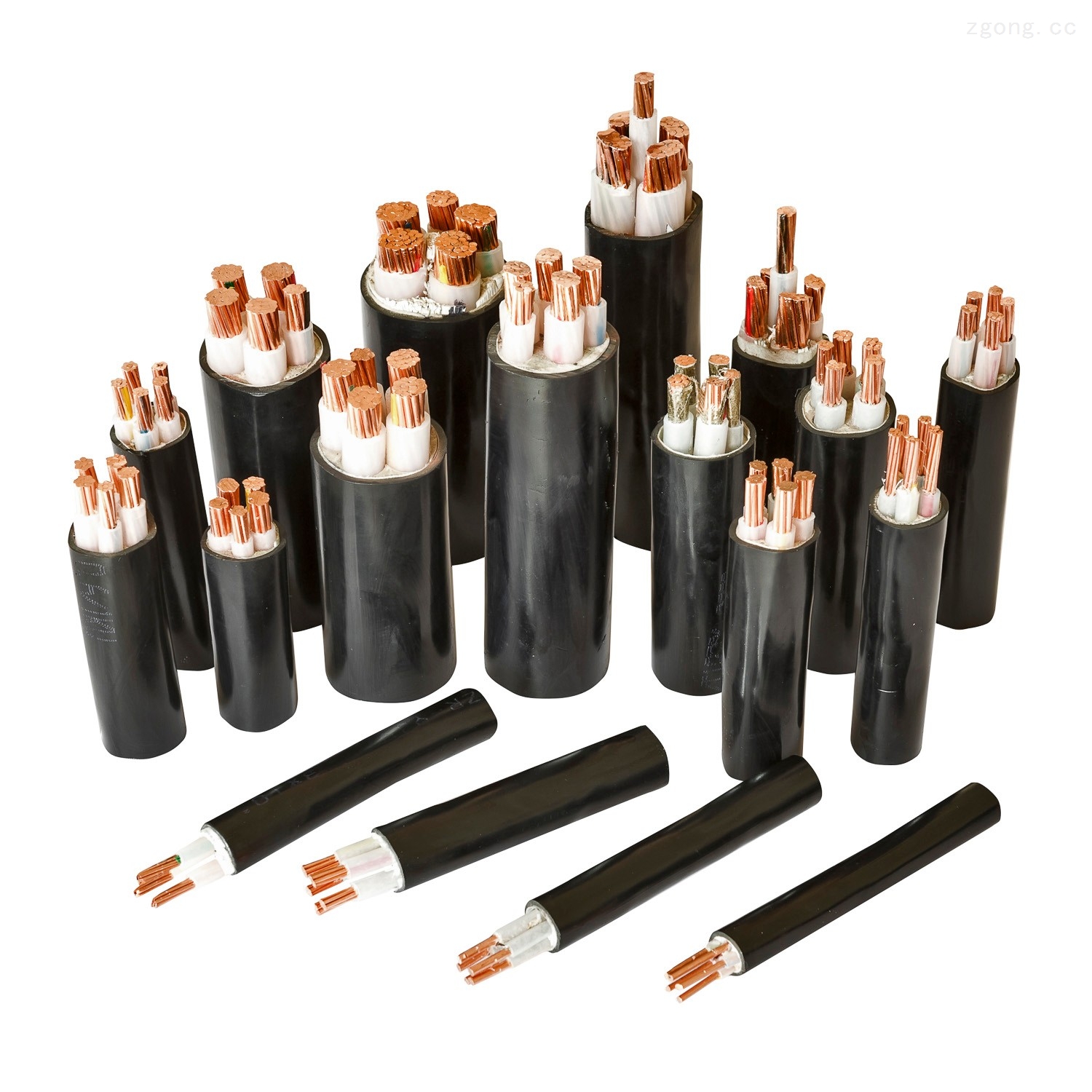
How to Request a Power Cable Quotation: What Buyers Should Prepare

Requesting a power cable quotation may seem simple, but for industrial, infrastructure and energy projects, accurate technical information is essential. A clear request helps the cable supplier recommend the right product, calculate pricing more efficiently and avoid delays during procurement.

For international buyers, contractors and project teams, preparing the right cable information before sending an inquiry can improve communication, reduce quotation errors and make the procurement process much smoother.

Why a Clear Cable Inquiry Matters

Power cables are used in many different environments, including power grids, industrial plants, buildings, renewable energy projects, railway systems and oil and petrochemical facilities. Different projects may require different voltage levels, conductor materials, insulation types, sheath materials, armor structures and standards.

If the inquiry only says “we need power cable,” the supplier cannot accurately confirm the cable type or price. A clear inquiry allows the supplier to understand the project requirements and provide a more suitable quotation.

For project-based cable procurement, even small specification differences can affect the final product structure, cost and delivery plan. That is why buyers should prepare key technical details before requesting a quote.

Basic Information to Include in a Cable Quotation Request

When requesting a power cable quote, buyers should provide the basic product information first. This includes the cable type, voltage rating, conductor material, cable size and required quantity.

The most useful information usually includes:

  • Cable type
  • Voltage rating
  • Conductor material
  • Conductor size or cross-sectional area
  • Number of cores
  • Insulation material
  • Sheath material
  • Armor requirement
  • Required length or quantity
  • Application environment

For example, an inquiry for medium-voltage XLPE insulated power cable should include whether the conductor is copper or aluminum, the voltage grade, cable size, number of cores and installation method.

Voltage Rating

Voltage rating is one of the most important details in a power cable quotation. Different voltage grades require different cable structures, insulation thicknesses and production requirements.

Buyers should clearly mention whether the cable is for low-voltage, medium-voltage or other project-specific voltage requirements. If the project uses a specific local electrical design, the voltage rating should follow the project specification.

Common examples may include low-voltage power cables, 6/10kV cables, 8.7/15kV cables, 26/35kV cables or other voltage grades depending on project requirements.

Conductor Material

The conductor material is usually copper or aluminum. Copper offers excellent electrical conductivity and is commonly used where compact size and strong performance are required. Aluminum is lighter and may be more cost-effective for long-distance power distribution or overhead applications.

If the project specification already defines the conductor material, buyers should include it in the inquiry. If not, the supplier can help recommend a suitable option based on application, budget and installation environment.

Cable Size and Number of Cores

Cable size directly affects current-carrying capacity and product cost. Buyers should provide the required cross-sectional area, such as 35mm², 70mm², 120mm², 240mm² or other project-specific sizes.

The number of cores should also be clearly stated. Some applications may require single-core cables, while others require three-core or multi-core cable structures. This detail is especially important for power distribution, industrial systems and underground installation.

Insulation, Sheath and Armor Requirements

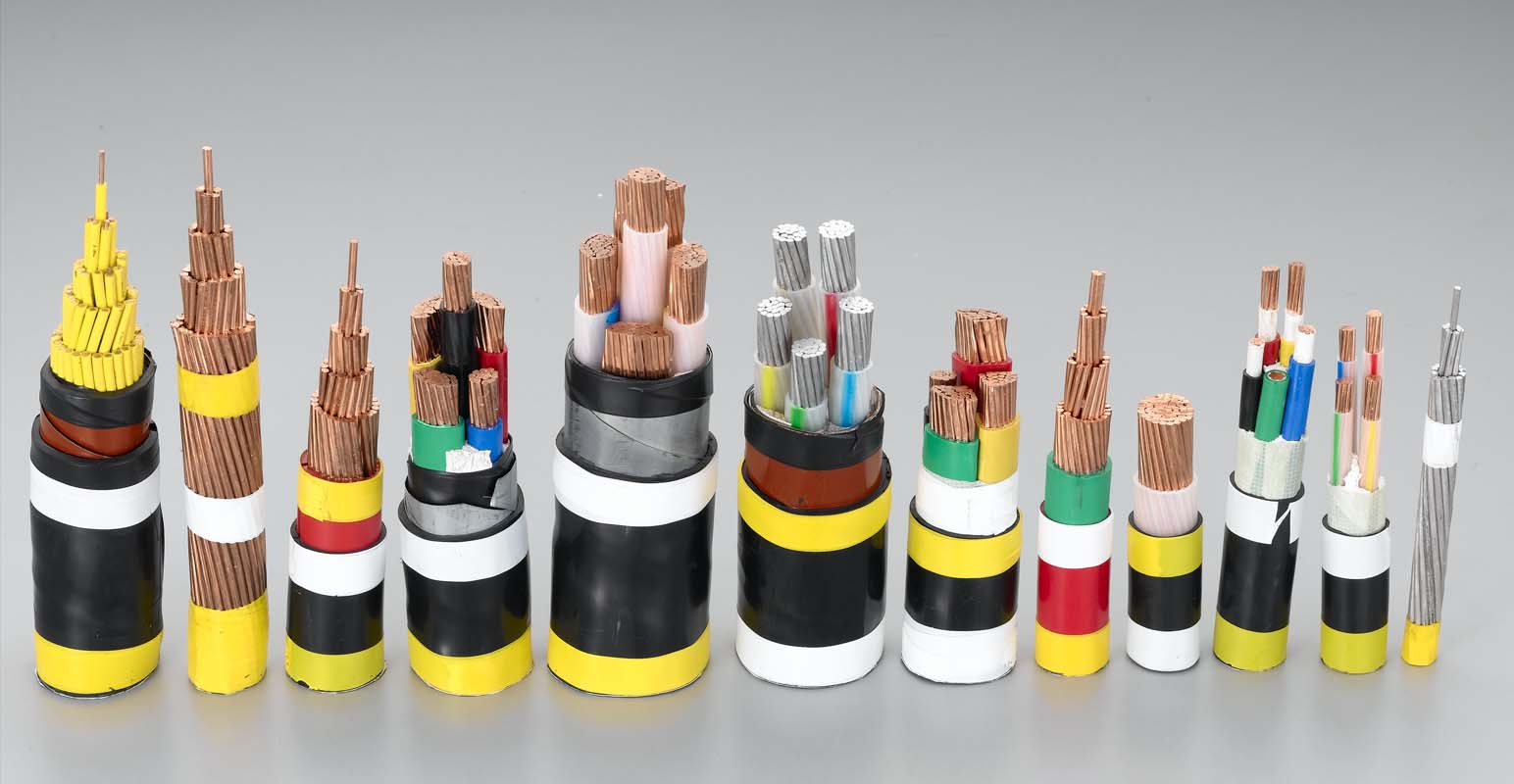
Cable structure can vary depending on the installation environment. Some projects require armored cables for mechanical protection, while others may use non-armored cables for fixed indoor or protected installation.

Buyers should confirm whether the cable needs:

  • XLPE or PVC insulation
  • PVC, PE or LSZH outer sheath
  • Single-core or multi-core structure
  • Armored or non-armored design
  • Steel wire armor or steel tape armor
  • Copper tape screen or wire screen
  • Flame-retardant or fire-resistant performance

These details can affect both cable performance and quotation. For harsh environments, the sheath and armor structure should be selected carefully to improve durability and long-term safety.

Application Environment

The installation environment helps determine the suitable cable design. Cables used underground, outdoors, in chemical plants or in high-temperature environments may require different materials and protection levels.

Buyers should tell the supplier where the cable will be used, such as:

  • Underground installation
  • Cable trench
  • Industrial plant
  • Power station
  • Outdoor environment
  • Railway or metro system
  • Renewable energy project
  • Oil and petrochemical facility
  • Data center or telecommunications infrastructure

This helps the supplier recommend the right cable structure, sheath material and protection design for the actual working environment.

Standards and Documentation

Many engineering projects require cables to comply with specific standards or provide technical documentation. Buyers should mention any required standards, test reports, certificates or project documents during the inquiry stage.

If the buyer is not sure which standard applies, it is still helpful to share the destination country, project type and application environment. The supplier can then support technical communication and product recommendation based on the project situation.

For large infrastructure, energy and utility projects, documentation may be an important part of the procurement process. Buyers may need technical datasheets, test reports, packing details, certificates or other supporting files.

Quantity and Delivery Requirements

Quantity is necessary for pricing. Buyers should provide the total length, drum length or estimated project demand. Packaging and delivery requirements should also be mentioned, especially for international shipments.

For large-scale projects, phased delivery, special packaging or project documentation may be required. These details should be discussed early to avoid delays during production and shipment.

Example of a Clear Power Cable Inquiry

A clear inquiry can look like this:

We are looking for XLPE insulated medium-voltage power cable for an industrial project.

Voltage: 6/10kV
Conductor: Copper
Core: 3-core
Insulation: XLPE
Sheath: PVC
Armor: Steel wire armored
Size: 3x120mm²
Quantity: 5,000 meters
Application: Underground power distribution
Destination: Middle East
Required standard: IEC or equivalent
Please provide quotation, technical datasheet and delivery time.

This type of inquiry helps the supplier respond faster and more accurately. It also reduces the need for repeated communication and helps both sides confirm the right cable solution at an early stage.

Common Mistakes to Avoid When Requesting a Cable Quote

Some quotation delays happen because the inquiry is too general or missing important technical details. Buyers can improve efficiency by avoiding these common mistakes:

  • Only asking for “power cable price” without specifications
  • Not providing voltage rating
  • Not confirming copper or aluminum conductor
  • Missing cable size or number of cores
  • Not describing the installation environment
  • Ignoring required standards or documentation
  • Not providing quantity or delivery destination

A more complete inquiry helps the supplier provide a more practical quotation and suitable technical recommendation.

How JinChuan Cable Supports Quotation Requests

JinChuan Cable supports power cable, conductor and customized cable solution inquiries for industrial, infrastructure, energy, railway, utility and telecommunications projects. Buyers can submit technical specifications, drawings or application requirements to receive professional quotation support.

Based on project needs, JinChuan Cable can help review cable type, voltage rating, conductor material, insulation structure, sheath requirements, application environment and packaging requirements.

Conclusion

A complete power cable quotation request should include technical specifications, application environment, quantity, standards and delivery requirements. The more clearly buyers describe their project needs, the easier it is for the supplier to recommend the right cable solution.

For industrial and infrastructure projects, cable procurement is not only about price. It is also about selecting a suitable structure, meeting project standards and ensuring reliable long-term performance.

JinChuan Cable provides power cable, conductor and customized cable solutions for global project buyers. To request a quotation, buyers can prepare the key details above and submit their project requirements for further support.

Featured Blogs
How to Request a Power Cable Quotation: What Buyers Should Prepare

How to Request a Power Cable Quotation: What Buyers Should Prepare

A clear power cable quotation request helps suppliers recommend the right cable structure and provide accurate pricing. This guide explains what buyers should prepare before requesting a cable quote.

Copper Conductor vs Aluminum Conductor: How to Choose for Your Project

Copper Conductor vs Aluminum Conductor: How to Choose for Your Project

Copper and aluminum conductors are both widely used in power cable and transmission projects. This guide compares their conductivity, weight, cost, applications and selection factors to help buyers choose the right conductor material.

What Is XLPE Insulated Power Cable and Where Is It Used?

What Is XLPE Insulated Power Cable and Where Is It Used?

XLPE insulated power cable is widely used in power transmission, distribution, industrial facilities and infrastructure projects. This guide explains its structure, advantages, applications and selection factors for project buyers.

JinChuan Group: Driving Innovation with Hand-Tear Nickel and Digital Transformation

JinChuan Group: Driving Innovation with Hand-Tear Nickel and Digital Transformation

JinChuan Group is redefining industrial innovation through the production of "hand-tear nickel" and digital transformation. By achieving mass production of this ultra-thin nickel material and integrating cutting-edge technologies like 5G, AI, and cloud computing, JinChuan is setting new standards in efficiency, sustainability, and global competitiveness.

JinChuan’s Stainless Steel Cathode Plate: Revolutionizing Copper Electrolysis

JinChuan’s Stainless Steel Cathode Plate: Revolutionizing Copper Electrolysis

JinChuan Group has achieved remarkable success with its innovative stainless steel cathode plate for copper electrolysis. By overcoming technical challenges and implementing intelligent production processes, the company has improved product quality, expanded market opportunities, and contributed to the advancement of copper processing technology.

Innovative Power Solutions at JinChuan Group Metorex Ruashi Mining

Innovative Power Solutions at JinChuan Group Metorex Ruashi Mining

JinChuan Group Metorex (Pty) Ltd. Ruashi Mining has implemented cutting-edge power solutions to address external power supply challenges, ensuring stable operations and achieving production goals. By deploying advanced energy storage systems, upgrading power supply lines with high-performance JinChuan cables, and enhancing generator maintenance, the company has secured reliable power for its mining operations and critical systems. These measures, combined with the use of JinChuan Group’s premium cables, underscore Ruashi Mining’s commitment to technological innovation and process refinement in the face of power supply constraints.

A Properly Wired Project. Endless Opportunities.

We specialize in supplying high-quality copper products and power cables for industrial and infrastructure projects.

© 2025 GuangZhou JinChuan 广州金钏国际贸易有限公司