
How to Choose the Right Medium Voltage Power Cable for Your Project
Medium voltage power cables are widely used in power distribution networks, industrial facilities, infrastructure projects, renewable energy systems and utility applications. Choosing the right medium voltage cable is important for safe operation, stable power transmission and long-term project reliability.
For project buyers, contractors and engineering teams, cable selection should not be based only on price. Voltage rating, conductor material, insulation system, cable structure, installation environment and applicable standards all need to be considered before placing an order.
What Is a Medium Voltage Power Cable?
A medium voltage power cable is designed to transmit and distribute electrical power at medium voltage levels. It is commonly used between substations, transformers, industrial equipment, distribution networks and power facilities.
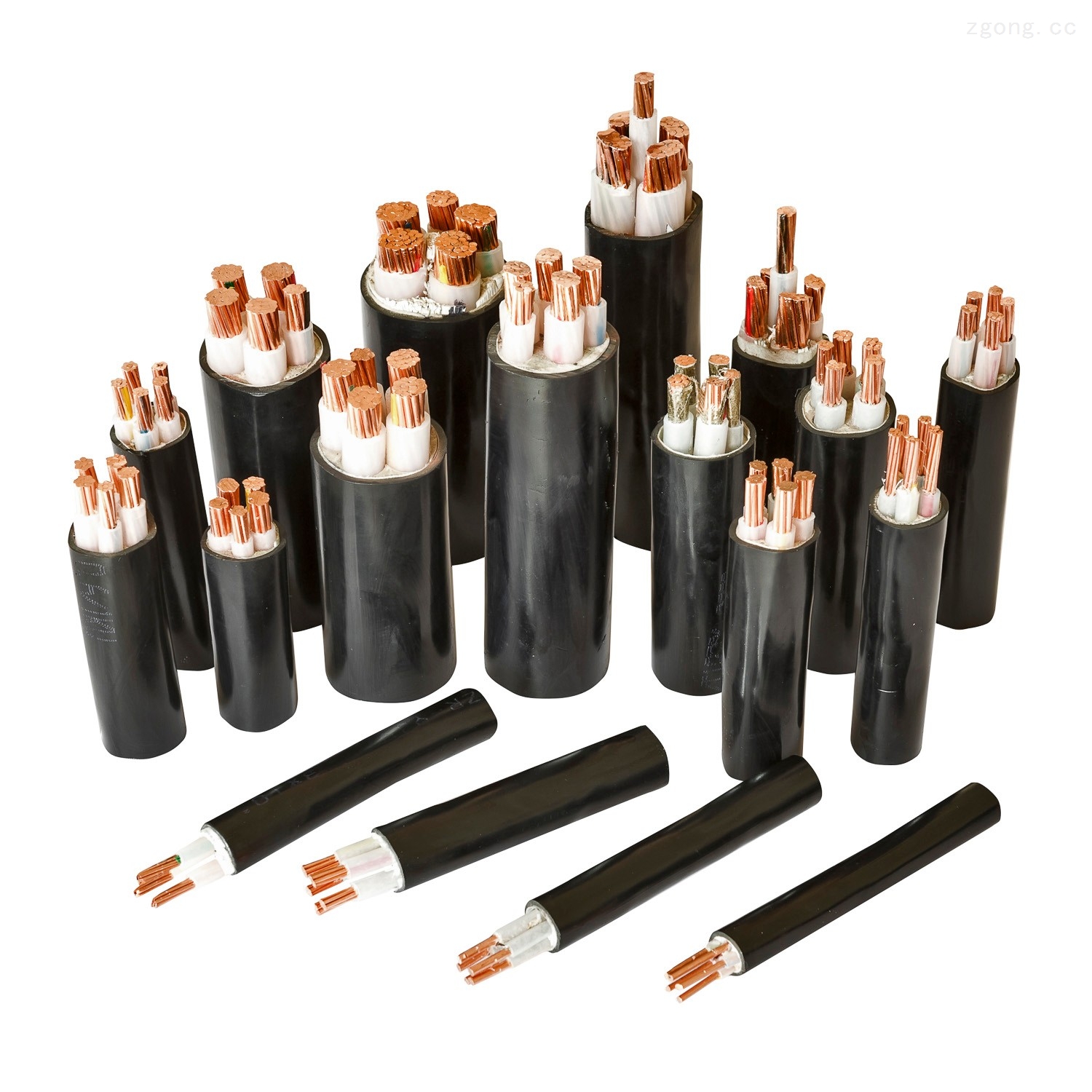
Medium voltage cables are often used in fixed installation environments, including underground cable routes, cable trenches, industrial plants, utility networks and renewable energy projects. Compared with low-voltage cables, medium voltage cables require stronger insulation systems, more controlled cable structures and stricter technical requirements.
Common Applications of Medium Voltage Power Cable
Medium voltage power cables are used in many project environments where stable power distribution is required. They are especially important in industrial and infrastructure applications where electrical systems must operate continuously and safely.
- Power transmission and distribution networks
- Substations and transformer connections
- Industrial plants and production facilities
- Construction and infrastructure projects
- Renewable energy projects
- Railway and metro systems
- Oil and petrochemical facilities
- Data centers and telecommunications infrastructure
- Utility grid projects
Confirm the Voltage Rating First
Voltage rating is one of the most important factors when selecting a medium voltage power cable. Different voltage grades require different insulation thickness, cable structure and testing requirements.
Common medium voltage cable ratings may include 6/10kV, 8.7/15kV, 12/20kV, 18/30kV and 26/35kV, depending on the project design and local electrical standards.
Before requesting a quotation, buyers should confirm the required voltage rating from the project specification, electrical drawing or engineering design. If the voltage rating is unclear, the supplier may not be able to recommend the correct cable structure.
Choose the Right Conductor Material
The conductor material is usually copper or aluminum. Copper conductors provide excellent electrical conductivity and are often used where compact size, stable performance and high current-carrying capacity are required.
Aluminum conductors are lighter and may be more cost-effective for certain power distribution projects. They are commonly used in large-scale infrastructure and utility applications where cable weight and cost control are important.
| Conductor Material | Main Advantages | Typical Applications |
|---|---|---|
| Copper Conductor | High conductivity, compact size, stable performance | Industrial plants, underground systems, demanding power applications |
| Aluminum Conductor | Lighter weight, cost-effective for large projects | Distribution networks, infrastructure projects, utility systems |
Select a Suitable Insulation System
XLPE insulation is commonly used for medium voltage power cables because of its strong electrical performance, thermal stability and long-term reliability. It supports stable operation under demanding electrical conditions and is suitable for many industrial and utility applications.
For medium voltage cable projects, XLPE insulation is often preferred because it provides better performance than many general-purpose insulation materials. It is widely used in underground distribution, power transmission, substations and industrial power systems.
Consider Cable Shielding and Screening
Medium voltage cables often include shielding or screening layers to control the electric field and improve cable safety. These layers may include conductor screen, insulation screen, metallic screen or copper tape screen depending on the cable design.
For project buyers, the exact shielding structure should follow the project specification or applicable standard. If the buyer is not sure, it is helpful to share the installation environment and electrical system details with the cable supplier for technical review.
Decide Whether Armor Is Required
Armor provides mechanical protection for cables. It is especially important for underground installation, direct burial, cable trenches and environments where the cable may face external pressure or mechanical damage.
Common armor options may include steel tape armor or steel wire armor. The right armor type depends on installation method, mechanical stress and project requirements.
- Armored cable is suitable for underground or mechanically demanding environments
- Non-armored cable may be suitable for protected indoor or duct installation
- Steel wire armor can provide stronger mechanical protection in some applications
- Steel tape armor may be used for specific fixed installation requirements
Choose the Right Outer Sheath Material
The outer sheath protects the cable from environmental conditions such as moisture, chemicals, sunlight, abrasion and mechanical contact. Common sheath materials include PVC, PE and LSZH, depending on the project environment and safety requirements.
PVC sheath is commonly used in many standard cable applications. PE sheath may be selected for outdoor or moisture-related environments. LSZH sheath is often used where low smoke and halogen-free performance is required, especially in public buildings, tunnels or specific safety-sensitive areas.
Understand the Installation Environment
The installation environment directly affects cable structure selection. A cable used underground may need different protection compared with a cable installed indoors, in a cable tray or in an industrial plant.
Buyers should clearly describe the application environment when requesting a quotation. Useful details include:
- Underground or above-ground installation
- Direct burial or cable trench
- Indoor or outdoor use
- Industrial, utility or commercial environment
- Moisture, oil, chemical or UV exposure
- Fire safety requirements
- Mechanical protection requirements
Confirm Applicable Standards
Medium voltage power cable projects often need to follow specific national, international or project standards. These standards may define cable structure, material requirements, testing methods and documentation requirements.
Buyers should provide the required standard if it is already listed in the project specification. If not, they can share the project location, application and technical requirements so the supplier can support further communication.
Prepare Complete Information Before Requesting a Quote
To receive an accurate quotation, buyers should prepare clear technical information before contacting a cable supplier. This reduces communication time and helps avoid incorrect product selection.
- Voltage rating
- Conductor material
- Conductor size or cross-sectional area
- Number of cores
- Insulation material
- Shielding or screen requirements
- Armor type
- Outer sheath material
- Installation environment
- Required standard
- Quantity or total length
- Delivery destination
Common Mistakes to Avoid
Some medium voltage cable procurement problems happen because the inquiry is incomplete or the cable selection is based only on price. For engineering projects, incorrect cable selection can create safety risks, installation problems or future maintenance costs.
- Not confirming the exact voltage rating
- Ignoring conductor material differences
- Choosing non-armored cable for mechanically demanding environments
- Not considering sheath material and environmental exposure
- Missing required standards or documentation
- Providing quantity without technical specifications
- Focusing only on price instead of long-term suitability
How JinChuan Cable Supports Medium Voltage Cable Projects
JinChuan Cable provides medium voltage power cables, XLPE insulated power cables and customized cable solutions for industrial, infrastructure, energy, railway, utility and construction projects.
For project-based procurement, buyers can submit technical specifications, drawings, application details or project requirements. Based on the information provided, JinChuan Cable can support cable structure recommendation, specification communication and quotation preparation.
Conclusion
Choosing the right medium voltage power cable requires careful review of voltage rating, conductor material, insulation system, shielding, armor, sheath material, installation environment and project standards. A suitable cable solution helps ensure safe power transmission, stable operation and long-term project reliability.
For industrial and infrastructure buyers, working with a professional cable supplier can reduce procurement risk and improve technical communication. JinChuan Cable supports medium voltage cable and customized power cable solutions for global project applications.