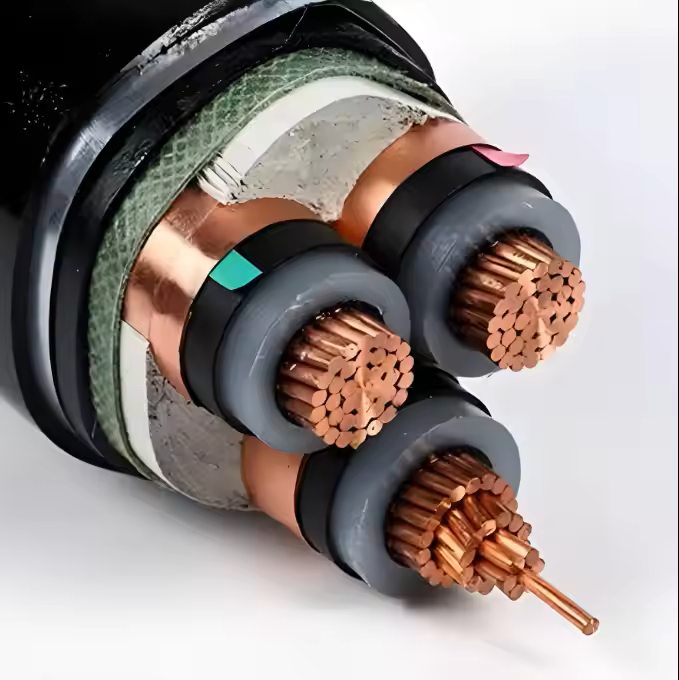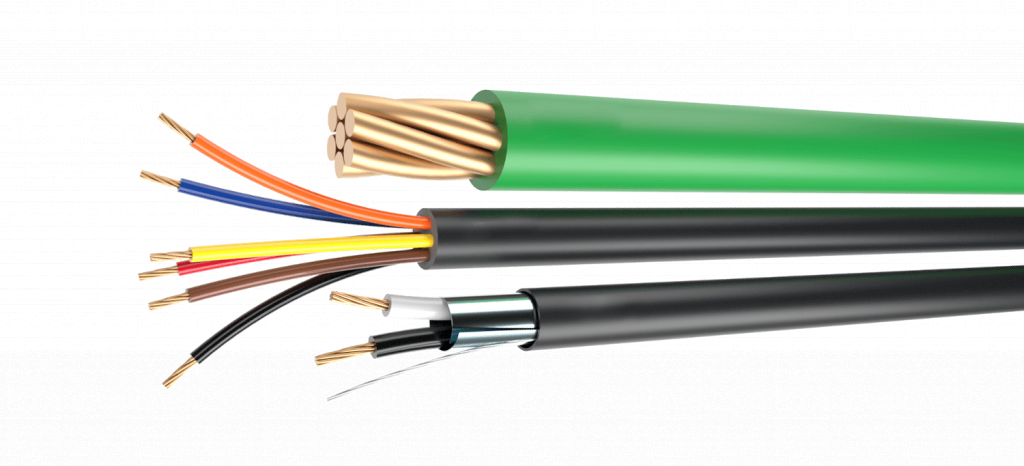

Buyer takeaway: power cable sheath material should be chosen from the route environment, not from habit. PVC, PE and LSZH protect against different risks.
The outer sheath is the first layer that installation crews, soil, sunlight, water, oil and building safety requirements meet. For buyers comparing power cable sheath material, JINCHUAN recommends reviewing the electrical requirement, installation environment, inspection documents and delivery plan before negotiating only on price.
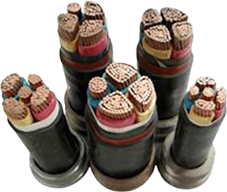
Product Positioning
A sheath decision belongs in the early technical review because it affects fire behavior, moisture resistance, abrasion, UV exposure, marking and export documentation.
Best-Fit and Non-Fit Buyers
This guide fits procurement teams buying low-voltage or medium-voltage cables for buildings, factories, substations, outdoor routes and infrastructure. It is not a replacement for the project owner code when a specific fire or environmental standard is already named.
Application Scenarios
PVC is often used in general industrial and building routes; PE is often evaluated for outdoor, direct-buried or moisture-exposed routes; LSZH is considered in enclosed public areas where smoke and halogen risk matter.
Specification Table for RFQ
| Item | Buyer should define | Why it matters |
| Sheath | PVC, PE, LSZH or special compound | Controls environmental protection |
| Route | Indoor, outdoor, buried, tray, tunnel | Changes sheath risk |
| Fire need | Flame retardant, LSZH or fire resistant | Avoids wrong safety wording |
| Marking | Size, voltage, brand, meter mark | Supports site identification |
| Documents | Datasheet and test records | Supports approval |
Selection Comparison
| Option | Typical strength | Buyer caution |
| PVC | General cost-effective sheath | May not fit low-smoke requirements |
| PE | Moisture and abrasion resistance | Fire behavior must be checked |
| LSZH | Lower smoke and halogen acid gas | Cost and mechanical properties should be reviewed |
Approval Focus Table
| Reviewer | Focus | Document |
| Engineer | Route and performance | Datasheet |
| Owner | Fire and environment | Certificate if required |
| Installer | Marking and handling | Drum label |
Materials, Structure and Workmanship
JINCHUAN reviews sheath compound together with insulation, armor and installation method. For example, a direct-buried cable may need stronger moisture and abrasion performance, while an indoor public project may focus on smoke and halogen performance.
Quality Control and Documents
Buyers should request sheath thickness checks, surface inspection, cable marking confirmation and packing photos. If the owner requires fire performance, the required category and certificate should be named before production.
Cost and Procurement Risk
The cheapest sheath option can become expensive if the cable is rejected by the building code, damaged during burial or difficult to identify on site. A clear power cable sheath material request helps JINCHUAN quote the correct structure instead of filling gaps with assumptions.
Buyer Decision Path
Start by separating the cable route into indoor, outdoor, buried, public-area and industrial-area sections. Then match each section with fire, moisture and mechanical requirements. This avoids the common mistake of using one power cable sheath material across every route only because it is familiar to the purchasing team.
Delivery and Site Handling Notes
Before delivery, ask for cable marking photos and drum labels that show sheath material, size and voltage. For mixed sheath orders, route-based drum allocation is useful because installers can quickly identify which cable belongs to which area without opening every drum.
Common Procurement Mistakes to Avoid
The most common mistake is treating sheath as a minor finish after conductor and insulation have been selected. In reality, the sheath is what faces weather, soil, fire rules, abrasion and handling. Buyers should also avoid mixing PVC, PE and LSZH requirements in one RFQ without saying which route uses which sheath.
Project Review Notes
Before the buyer releases a purchase order for power cable sheath material, the technical and purchasing teams should review the same assumptions together. The discussion should include voltage and cable type, indoor or outdoor route, moisture, uv, oil or chemical exposure, fire or lszh requirement and the required document package. This shared review is useful because many cable disputes do not come from the cable name itself; they come from different people assuming different route conditions, inspection levels, packing limits or approval rules. JINCHUAN can respond more accurately when those assumptions are visible in the RFQ.
How to Compare Supplier Offers
When comparing suppliers, buyers should place every offer for power cable sheath material into the same comparison sheet. The sheet should include conductor material, cable structure, sheath or armor requirement, standard, test documents, drum length, packing method and delivery terms. If one supplier includes inspection documents and route-based drum marks while another does not, the two prices are not truly equivalent. A clear comparison sheet also helps JINCHUAN explain any technical difference instead of competing only on a simplified unit price.
Evergreen Maintenance Note
This checklist remains useful when the project changes. If route length, installation method, destination port, inspection requirement or owner standard changes, buyers should refresh the RFQ before confirming power cable sheath material. Small updates before ordering are easier than corrections after production.
RFQ Checklist
- Voltage and cable type
- Indoor or outdoor route
- Moisture, UV, oil or chemical exposure
- Fire or LSZH requirement
- Armor and installation method
- Cable marking language
- Required test certificates
JINCHUAN Buyer Support
Buyers can review JINCHUAN power cable products and compare related procurement guidance in the flame retardant and fire resistant cable guide. When the RFQ includes route, standard, size, quantity, packing and document requirements, JINCHUAN can prepare a more reliable technical and commercial offer for power cable sheath material projects.
Authority Reference
For fire-performance language, buyers can review IEC cable flame spread references such as IEC 60332-3-24. Construction and test requirements should still follow the project cable standard.
FAQ
Is PVC sheath enough for every project?
No. PVC may suit many general routes, but PE, LSZH or special compounds may be needed for moisture, abrasion or fire-safety conditions.
Is LSZH the same as fire resistant?
No. LSZH focuses on smoke and halogen behavior, while fire resistant cable focuses on circuit integrity during fire.
When should PE sheath be considered?
PE is often considered for outdoor, direct-buried or wet routes, but fire requirements must be reviewed.
Does sheath affect cable price?
Yes. Material, thickness, performance requirement and test documents can all affect price.
What should be written in the RFQ?
State the required power cable sheath material, route, exposure, fire need and document requirement.
Can JINCHUAN recommend sheath material?
Yes, when the buyer provides installation and environmental details.
Should sheath color be specified?
If the project or local practice requires a color, write it in the RFQ.
Does armor replace sheath selection?
No. Armor protects mechanically; sheath still protects against environment and identification issues.
What is the biggest mistake?
Using a default sheath without checking route and approval requirements.
Can one project use several sheath types?
Yes. Different zones may need different sheath materials.
Next Step for Buyers
Send voltage grade, conductor size, route condition, installation method, required standard, inspection scope, destination and drum limits. This gives the JINCHUAN team enough information to review power cable sheath material with fewer revisions.