
Buyer takeaway: cable ampacity and voltage drop should be reviewed before procurement compares cable price, because both can change conductor size and installation cost.
Industrial buyers often know the load but not the full sizing assumptions used by the designer or supplier. For buyers comparing cable ampacity and voltage drop, JINCHUAN recommends reviewing the electrical requirement, installation environment, inspection documents and delivery plan before negotiating only on price.
Product Positioning
This guide helps procurement teams ask better technical questions. It does not replace engineering calculation, but it helps buyers avoid comparing quotations based on incomplete sizing data.
Best-Fit and Non-Fit Buyers
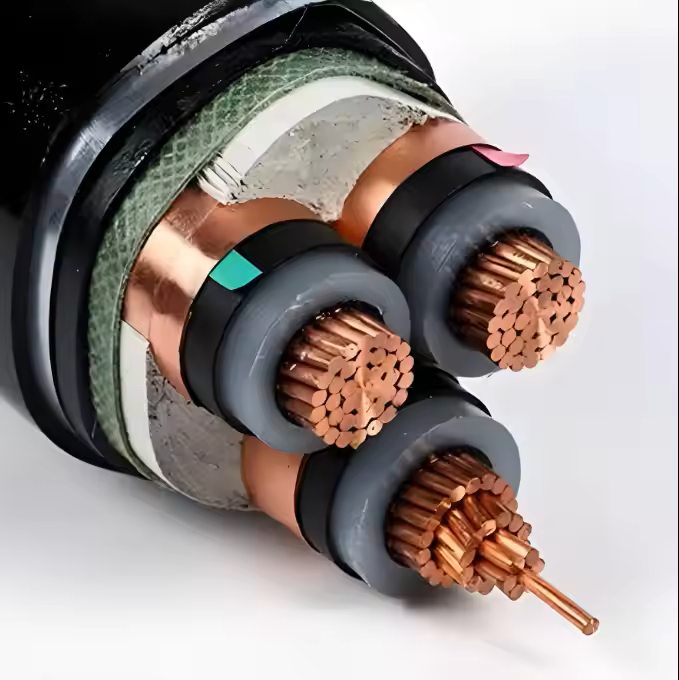
It fits factories, EPC contractors, distributors and project owners buying power cable for motors, panels, transformers or long feeders.
Application Scenarios
Voltage drop becomes important on long routes, while ampacity becomes critical where load, ambient temperature, grouping and installation method affect heat dissipation.
Specification Table for RFQ
| Item | Buyer should define | Why it matters |
| Load | Current and duty | Base for ampacity |
| Route length | Meters per circuit | Affects voltage drop |
| Installation | Air, duct, tray, burial | Affects heat dissipation |
| Conductor | Copper or aluminum | Changes size |
| Ambient | Temperature and grouping | Changes rating |
Selection Comparison
| Issue | If ignored | Procurement result |
| Ampacity | Cable overheats | Wrong size quoted |
| Voltage drop | Equipment under-voltage | Long route problems |
| Installation method | Wrong rating basis | Unfair quote comparison |
Approval Focus Table
| Reviewer | Focus | Document |
| Engineer | Sizing basis | Calculation note |
| Procurement | Comparable offers | Bid sheet |
| Site | Correct drum | Cable marks |
Materials, Structure and Workmanship
JINCHUAN can quote the requested size, but buyers should share sizing assumptions when they need supplier review. Copper, aluminum, insulation and sheath all interact with sizing decisions.
Quality Control and Documents
Testing verifies manufactured cable quality, but it does not fix a wrong cable size. Sizing assumptions should be checked before purchase order release.
Cost and Procurement Risk
A smaller cable may look cheaper until voltage drop, heat or installation limits create redesign cost. A clear cable ampacity and voltage drop request helps JINCHUAN quote the correct structure instead of filling gaps with assumptions.
Buyer Decision Path
Procurement should ask engineering to confirm current, allowable voltage drop, installation method and derating conditions before requesting final pricing. If this information is missing, quotation comparison becomes a guess rather than a buying decision.
Delivery and Site Handling Notes
When several cable sizes are shipped together, drum marks should show size and route clearly. This reduces the chance that an installer uses a cable sized for one circuit on another circuit with different ampacity or voltage drop assumptions.
Common Procurement Mistakes to Avoid
Do not ask suppliers to quote a cable size before confirming the sizing basis. If one supplier assumes tray installation and another assumes buried installation, the price comparison is not fair. Buyers should also avoid comparing copper and aluminum at the same size without checking equivalent performance.
Project Review Notes
Before the buyer releases a purchase order for cable ampacity and voltage drop, the technical and purchasing teams should review the same assumptions together. The discussion should include load current, route length, voltage and phase, installation method and the required document package. This shared review is useful because many cable disputes do not come from the cable name itself; they come from different people assuming different route conditions, inspection levels, packing limits or approval rules. JINCHUAN can respond more accurately when those assumptions are visible in the RFQ.
How to Compare Supplier Offers
When comparing suppliers, buyers should place every offer for cable ampacity and voltage drop into the same comparison sheet. The sheet should include conductor material, cable structure, sheath or armor requirement, standard, test documents, drum length, packing method and delivery terms. If one supplier includes inspection documents and route-based drum marks while another does not, the two prices are not truly equivalent. A clear comparison sheet also helps JINCHUAN explain any technical difference instead of competing only on a simplified unit price.
Evergreen Maintenance Note
This checklist remains useful when the project changes. If route length, installation method, destination port, inspection requirement or owner standard changes, buyers should refresh the RFQ before confirming cable ampacity and voltage drop. Small updates before ordering are easier than corrections after production.
RFQ Checklist
- Load current
- Route length
- Voltage and phase
- Installation method
- Ambient temperature
- Cable grouping
- Conductor material
- Allowed voltage drop
JINCHUAN Buyer Support
Buyers can review JINCHUAN power cable products and compare related procurement guidance in the copper vs aluminum power cable comparison. When the RFQ includes route, standard, size, quantity, packing and document requirements, JINCHUAN can prepare a more reliable technical and commercial offer for cable ampacity and voltage drop projects.
Authority Reference
Conductor classes and construction language can be checked against IEC 60228, while cable construction standards should follow the selected project standard.
FAQ
Is ampacity the same as cable size?
No. Ampacity is current-carrying capacity under defined conditions; size is one factor.
Why does voltage drop matter?
Too much voltage drop can affect equipment performance on long routes.
Can suppliers calculate cable size?
Suppliers can assist, but final design responsibility usually belongs to the project engineer.
Does installation method matter?
Yes, buried, duct, tray and air installation change heat dissipation.
Is copper always smaller than aluminum?
Usually copper reaches similar performance in smaller size, but project assumptions matter.
Should allowed voltage drop be stated?
Yes, it helps quote the right conductor size.
Can JINCHUAN compare options?
Yes, with load, route and installation details.
What causes unfair quotes?
Different sizing assumptions and conductor material.
Does test report prove sizing is right?
No. It proves production tests, not engineering suitability.
What should buyers send?
Send cable ampacity and voltage drop assumptions or the design cable schedule.
Next Step for Buyers
Send voltage grade, conductor size, route condition, installation method, required standard, inspection scope, destination and drum limits. This gives the JINCHUAN team enough information to review cable ampacity and voltage drop with fewer revisions.