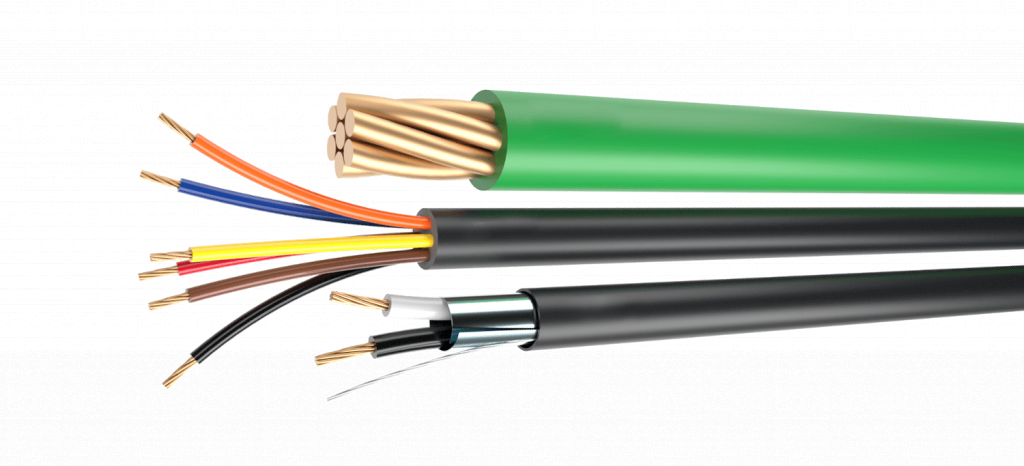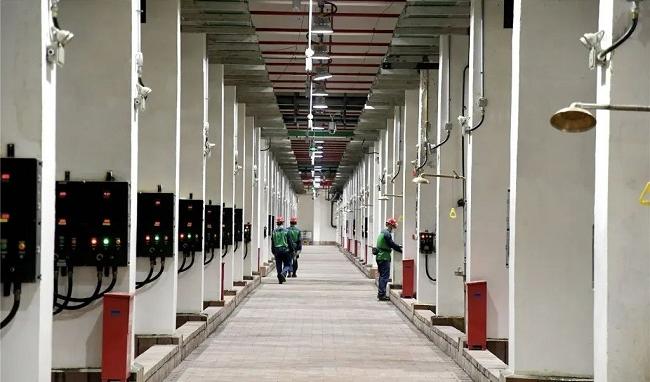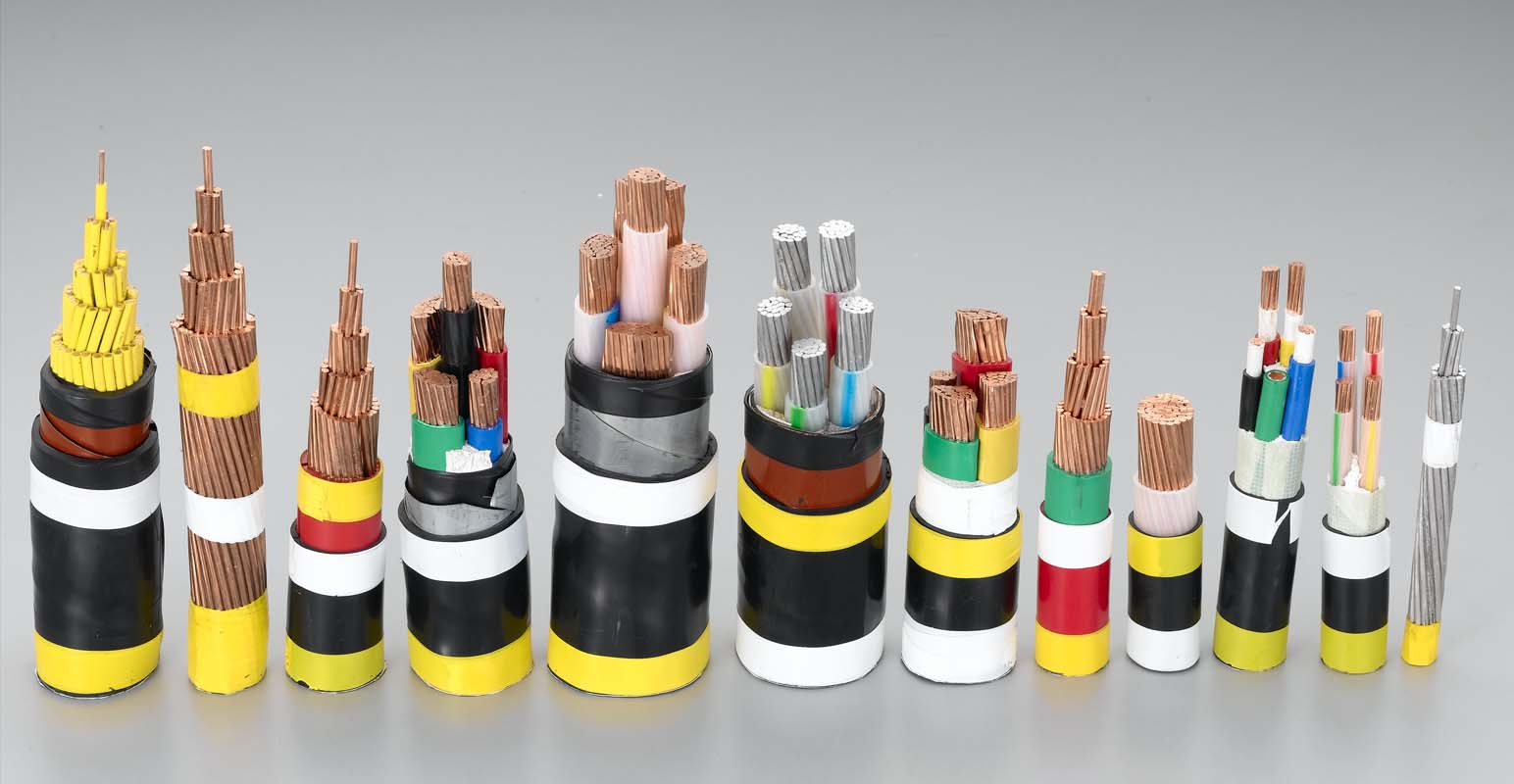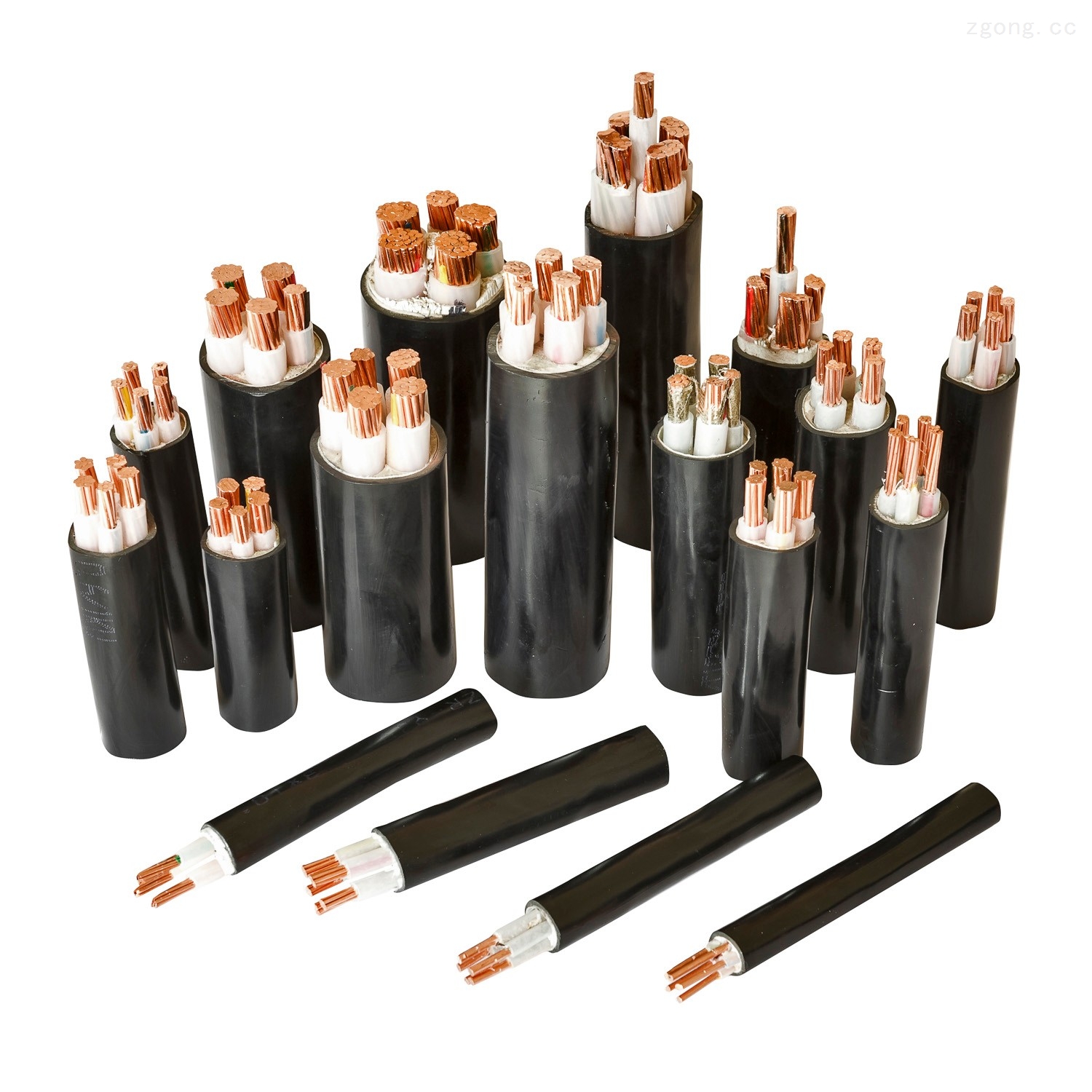

Important distinction: a flame retardant power cable is designed to limit flame spread, while a fire resistant cable is designed to maintain circuit operation for a defined time under fire conditions. Buyers should not use these terms interchangeably in a specification.
JINCHUAN supplies power cables for buildings, industrial facilities, data centers, rail-related infrastructure and public projects where fire performance is part of the approval process. The right cable depends on whether the project needs reduced flame spread, circuit integrity, low smoke, low halogen, or a combination of these requirements.
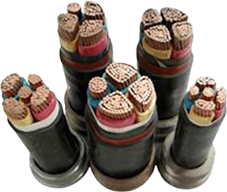
Flame retardant vs fire resistant
| Term | Main purpose | Typical project concern |
|---|---|---|
| Flame retardant power cable | Limits flame propagation along cable routes | Reducing spread in trays, shafts and grouped installations |
| Fire resistant cable | Maintains circuit integrity during fire for a specified time | Emergency power, fire alarm, evacuation and safety systems |
| LSZH cable | Reduces smoke and halogen acid gas | Public buildings, tunnels and enclosed spaces |
Why the wording matters
If a buyer asks only for a flame retardant power cable when the building actually requires circuit integrity, the cable may pass flame-spread thinking but fail the safety function. If a buyer asks for fire resistant cable where only flame spread control is required, the project may pay for an unnecessary structure. Good procurement starts by defining the fire scenario.
Typical selection by scene
- Industrial cable tray: flame spread control and sheath durability.
- Data center: flame performance, smoke control and reliable documentation.
- Tunnel or subway-related project: low smoke, low halogen and owner fire standard.
- Emergency circuit: fire resistant design and circuit integrity evidence.
- Commercial building: local code, LSZH preference and installation route.
What to ask suppliers
A professional RFQ should state the fire performance standard, cable voltage, conductor size, insulation, sheath, installation route and required certificate. If the buyer is unsure, JINCHUAN can help clarify whether the project needs a flame retardant power cable, a fire resistant cable, or an LSZH sheath combined with flame-retardant performance.
Buyers can review JINCHUAN power cable products and compare a related low-voltage structure in the low voltage armored copper cable guide.
Product positioning for fire-safety procurement
A flame retardant power cable is part of a fire-risk control strategy, not a universal safety label. It is selected when flame spread along cable routes must be limited. A fire resistant cable serves a different purpose: maintaining circuit operation during fire for a defined period.
Buyer types and decision pressure
Building contractors need code compliance. Data center buyers need low smoke and reliable documentation. Industrial plants need flame control without sacrificing durability. Public infrastructure projects often need a more formal fire-performance certificate package.
Materials and standards
Sheath and insulation materials influence flame spread, smoke density, halogen acid gas and circuit integrity. Buyers should name the exact standard category required by the owner instead of using broad words like fireproof. JINCHUAN can then match cable construction and documents to that requirement.
Conversion logic
If the buyer is unsure, the RFQ should describe the installation scene: tunnel, building shaft, tray, emergency circuit or industrial route. This lets the supplier distinguish flame retardant power cable from fire resistant cable and LSZH cable.
Emergency circuit versus ordinary power route
A normal power feeder in a building may only need flame-spread control, while emergency lighting, alarm, smoke extraction or fire pump circuits may need circuit integrity. This difference should be decided by the designer or code requirement before purchase. A flame retardant power cable can be the right answer for grouped cable trays, but it is not automatically the right answer for emergency systems.
Certificate review before shipment
Buyers should ask whether the fire-performance certificate matches the exact cable family, voltage level and construction being supplied. A generic certificate may not satisfy an owner review if it covers a different cable type. JINCHUAN recommends confirming certificate expectations before production so the cable, marking and document package stay consistent. Attach the owner specification when possible.
Specification table for RFQ
| Voltage | LV or MV requirement | |
| Fire performance | Flame retardant, fire resistant, LSZH or combined | |
| Standard | IEC or project fire standard category | |
| Route | Tray, shaft, tunnel, data hall or industrial area | |
| Sheath | PVC, LSZH or special compound | |
| Documents | Fire test certificate, datasheet and routine report | |
| Marking | Project and cable fire-performance mark if required |
Fire-safety comparison
| Flame retardant | Limit flame spread | Grouped cable routes |
| Fire resistant | Maintain circuit integrity | Emergency systems |
| LSZH | Reduce smoke and halogen | Public and enclosed spaces |
Additional Buyer FAQ
Is fireproof cable a correct term?
It is too vague. Buyers should specify flame retardant, fire resistant, LSZH or the exact test standard.
Can flame retardant cable keep circuits running during fire?
Not necessarily. Circuit integrity requires a fire resistant design and relevant testing.
Where is LSZH important?
LSZH is important in enclosed or public areas where smoke and halogen acid gas are major safety concerns.
Should industrial plants always use LSZH?
Not always. The choice depends on fire code, environment, cost and route condition.
What should be attached to the RFQ?
Attach owner fire standard, voltage, cable size, installation route and certificate requirement.
Can JINCHUAN provide certificates?
JINCHUAN can provide available documents according to the selected cable structure and order requirement.
What causes fire-safety cable disputes?
The most common cause is using broad terms without naming the test standard or performance category.
FAQ
Can one cable be both flame retardant and fire resistant?
Yes, some cable designs can combine multiple fire performance features, but the exact standard and test requirement must be confirmed.
Is LSZH the same as flame retardant?
No. LSZH refers to smoke and halogen characteristics, while flame retardant performance relates to flame spread behavior.
How should I request a flame retardant power cable quote?
Use the phrase flame retardant power cable and include the relevant IEC or project fire standard, voltage, conductor size, sheath requirement, quantity and documents.
Authority references
The official IEC page for IEC 60332-3-24 describes vertical flame spread testing for bunched cables. Buyers should use the owner’s required category and local code rather than relying on generic fire-safety wording.