
Buyer takeaway: single-core power cable bonding is a system design issue that affects sheath current, losses and accessories, so it should be discussed before cable ordering.
Single-core MV and HV cables are common in many power systems, but their metallic screens or sheaths require careful earthing and bonding review. For buyers comparing single-core power cable bonding, JINCHUAN recommends reviewing the electrical requirement, installation environment, inspection documents and delivery plan before negotiating only on price.
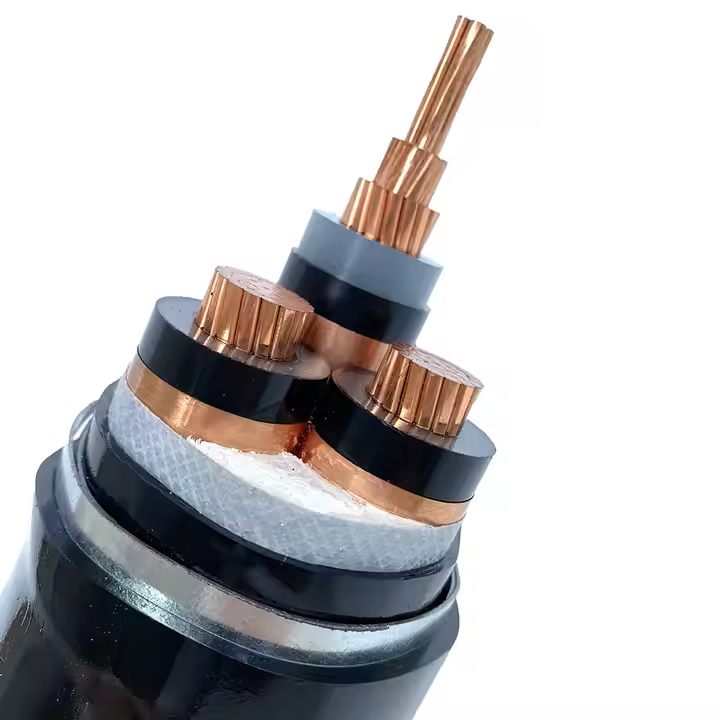
Product Positioning
This topic helps procurement teams understand why a cable supplier may ask about bonding even when the buyer only requests cable length and size.
Best-Fit and Non-Fit Buyers
It fits utility, substation, renewable energy, tunnel and industrial buyers using single-core cables. It is not a design manual for bonding systems.
Application Scenarios
Bonding questions appear in long routes, high-current circuits, tunnel installations, substation exits and HV cable systems with metallic sheaths.
Specification Table for RFQ
| Item | Buyer should define | Why it matters |
| Cable type | Single-core MV or HV | Bonding relevance |
| Route length | Section length | Affects sheath voltage |
| Earthing | Single-point, both-end, cross bonding | Controls current paths |
| Accessories | Link boxes and joints | System interface |
| Testing | Sheath test and records | Commissioning need |
Selection Comparison
| Bonding concept | Typical purpose | Buyer note |
| Both-end bonding | Simple earthing | May create circulating currents |
| Single-point bonding | Reduces circulating current | Sheath voltage must be managed |
| Cross bonding | Long route optimization | Needs system design |
Approval Focus Table
| Reviewer | Focus | Document |
| System engineer | Bonding method | Design drawing |
| Supplier | Screen structure | Cable datasheet |
| Installer | Phase and sections | Drum marks |
Materials, Structure and Workmanship
JINCHUAN can supply cable according to the specified structure, but bonding design depends on route, accessories and engineering rules. Buyers should not treat the cable and bonding accessories as unrelated decisions.
Quality Control and Documents
Factory cable tests should be separated from installed system tests. Sheath testing and link box inspection may be part of the site commissioning plan.
Cost and Procurement Risk
If bonding is ignored during procurement, the cable may be correct but the installed system may face losses, sheath voltage concerns or accessory mismatch. A clear single-core power cable bonding request helps JINCHUAN quote the correct structure instead of filling gaps with assumptions.
Buyer Decision Path
The buyer should ask the project engineer whether bonding accessories are included in the cable supply package. If not, the cable offer should still state the metallic screen or sheath design so the accessory supplier can coordinate with it.
Delivery and Site Handling Notes
Single-core cable systems often involve multiple drums and accessories. Drum allocation, phase identification and route section marks are helpful when installation teams must keep phases and bonding sections organized.
Common Procurement Mistakes to Avoid
Do not treat single-core cable as three independent single-phase products. The installed system includes phase arrangement, metallic screen behavior, bonding accessories and site tests. If bonding assumptions are missing, suppliers may quote cable correctly but leave system issues unresolved.
Project Review Notes
Before the buyer releases a purchase order for single-core power cable bonding, the technical and purchasing teams should review the same assumptions together. The discussion should include single-core or three-core design, route length and sections, metallic screen or sheath design, bonding method if known and the required document package. This shared review is useful because many cable disputes do not come from the cable name itself; they come from different people assuming different route conditions, inspection levels, packing limits or approval rules. JINCHUAN can respond more accurately when those assumptions are visible in the RFQ.
How to Compare Supplier Offers
When comparing suppliers, buyers should place every offer for single-core power cable bonding into the same comparison sheet. The sheet should include conductor material, cable structure, sheath or armor requirement, standard, test documents, drum length, packing method and delivery terms. If one supplier includes inspection documents and route-based drum marks while another does not, the two prices are not truly equivalent. A clear comparison sheet also helps JINCHUAN explain any technical difference instead of competing only on a simplified unit price.
Evergreen Maintenance Note
This checklist remains useful when the project changes. If route length, installation method, destination port, inspection requirement or owner standard changes, buyers should refresh the RFQ before confirming single-core power cable bonding. Small updates before ordering are easier than corrections after production.
RFQ Checklist
- Single-core or three-core design
- Route length and sections
- Metallic screen or sheath design
- Bonding method if known
- Accessory scope
- Site test requirements
- Owner standard
JINCHUAN Buyer Support
Buyers can review JINCHUAN power cable products and compare related procurement guidance in the high-voltage copper XLPE power cable guide. When the RFQ includes route, standard, size, quantity, packing and document requirements, JINCHUAN can prepare a more reliable technical and commercial offer for single-core power cable bonding projects.
Authority Reference
For field testing context of shielded power cable systems, buyers can review IEEE 400-2023; final bonding design should follow project engineering rules.
FAQ
Why does single-core cable need bonding review?
Metallic screens or sheaths can carry induced currents or voltage, so earthing design matters.
Can JINCHUAN design the bonding system?
JINCHUAN can support cable-related discussion, but final system design belongs to the project engineer.
Is both-end bonding always best?
No. It is simple but may create circulating currents in some cases.
What is cross bonding?
It is a method used in some long cable systems to manage induced voltages and currents.
Should link boxes be included?
If the project needs them, include accessory scope in the RFQ.
Does bonding affect cable price?
Cable structure and accessory scope can affect total package cost.
Is this relevant for three-core cable?
Usually less than for single-core cable, but project design still matters.
What should buyers send?
Route length, cable type, screen design and owner bonding requirements.
Can bonding be decided after cable delivery?
It should be reviewed earlier to avoid accessory mismatch.
What is the main procurement risk?
Buying cable without considering the installed system.
Next Step for Buyers
Send voltage grade, conductor size, route condition, installation method, required standard, inspection scope, destination and drum limits. This gives the JINCHUAN team enough information to review single-core power cable bonding with fewer revisions.