
Buyer takeaway: direct burial power cable needs route protection, moisture control and clear drum planning before price comparison begins.
Buried cable routes are difficult to inspect after backfilling, so procurement decisions must reduce damage risk before installation starts. For buyers comparing direct burial power cable, JINCHUAN recommends reviewing the electrical requirement, installation environment, inspection documents and delivery plan before negotiating only on price.
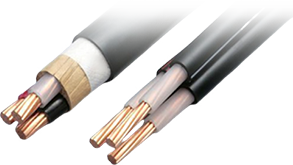
Product Positioning
A direct-buried cable is selected for routes where cable protection is partly carried by cable construction rather than only by ducts or trays.
Best-Fit and Non-Fit Buyers
This guide fits industrial parks, substations, renewable energy routes, utilities and infrastructure buyers. It is not enough for projects where civil design, trench depth or local code is still unknown.
Application Scenarios
Typical routes include transformer feeders, outdoor plant distribution, solar collection routes, industrial utility corridors and remote power supply lines.
Specification Table for RFQ
| Item | Buyer should define | Why it matters |
| Voltage | LV or MV grade | Determines standard and test scope |
| Armor | STA, SWA or project design | Controls mechanical protection |
| Sheath | PE, PVC or special sheath | Controls soil and moisture exposure |
| Water blocking | Needed or not needed | Reduces moisture migration risk |
| Route | Soil, trench, road crossing | Changes protection need |
Selection Comparison
| Route type | Cable concern | Procurement note |
| Normal soil trench | Mechanical and moisture protection | Confirm armor and sheath |
| Road crossing | Crushing and future excavation | May need duct or extra protection |
| Wet soil | Moisture ingress | Discuss water blocking and PE sheath |
Approval Focus Table
| Reviewer | Focus | Document |
| Civil team | Trench and crossing | Route drawing |
| Electrical team | Cable structure | Datasheet |
| Site team | Drum allocation | Packing list |
Materials, Structure and Workmanship
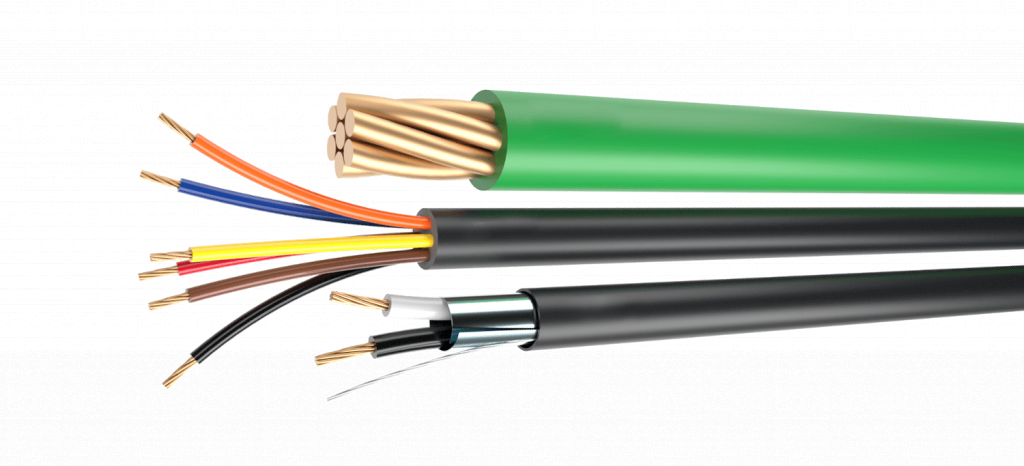
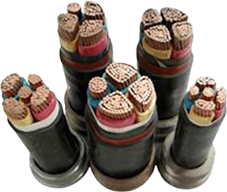
JINCHUAN reviews conductor, insulation, metallic screen, armor and sheath together. A buried cable may need a tougher sheath and careful end sealing to reduce moisture exposure during transport and storage.
Quality Control and Documents
Useful checks include conductor resistance, voltage test, sheath inspection, armor appearance, marking, drum condition and packing photos before shipment.
Cost and Procurement Risk
A weak burial specification can create hidden damage that appears only after energization or seasonal moisture changes. A clear direct burial power cable request helps JINCHUAN quote the correct structure instead of filling gaps with assumptions.
Buyer Decision Path
The safest decision path is to review civil route drawings first, then cable construction. If the route includes road crossings, wet soil, future excavation risk or long sections without inspection access, the cable specification should become stricter rather than relying on site caution alone.
Delivery and Site Handling Notes
Direct burial projects benefit from route-based drum marks and sealed cable ends. Buyers should confirm whether drums will be stored outdoors before installation, because poor storage can damage the same moisture protection the project is trying to secure.
Common Procurement Mistakes to Avoid
Do not assume that the cable name alone proves burial suitability. The RFQ should describe trench, soil, crossing, moisture and protection conditions. Another common mistake is ignoring joint positions until installation starts, which can force joints into inaccessible or wet locations.
Project Review Notes
Before the buyer releases a purchase order for direct burial power cable, the technical and purchasing teams should review the same assumptions together. The discussion should include cable voltage and size, soil and moisture condition, trench and crossing details, armor and sheath preference and the required document package. This shared review is useful because many cable disputes do not come from the cable name itself; they come from different people assuming different route conditions, inspection levels, packing limits or approval rules. JINCHUAN can respond more accurately when those assumptions are visible in the RFQ.
How to Compare Supplier Offers
When comparing suppliers, buyers should place every offer for direct burial power cable into the same comparison sheet. The sheet should include conductor material, cable structure, sheath or armor requirement, standard, test documents, drum length, packing method and delivery terms. If one supplier includes inspection documents and route-based drum marks while another does not, the two prices are not truly equivalent. A clear comparison sheet also helps JINCHUAN explain any technical difference instead of competing only on a simplified unit price.
Evergreen Maintenance Note
This checklist remains useful when the project changes. If route length, installation method, destination port, inspection requirement or owner standard changes, buyers should refresh the RFQ before confirming direct burial power cable. Small updates before ordering are easier than corrections after production.
RFQ Checklist
- Cable voltage and size
- Soil and moisture condition
- Trench and crossing details
- Armor and sheath preference
- Water-blocking requirement
- Drum length by route section
- Inspection and test report need
JINCHUAN Buyer Support
Buyers can review JINCHUAN power cable products and compare related procurement guidance in the armored copper power cable guide. When the RFQ includes route, standard, size, quantity, packing and document requirements, JINCHUAN can prepare a more reliable technical and commercial offer for direct burial power cable projects.
Authority Reference
For construction and test language, buyers can review the IEC 60502 series where applicable to low and medium voltage extruded insulated cable systems.
FAQ
Can any armored cable be buried directly?
No. Armor helps, but sheath, moisture protection, route design and local requirements must also fit.
Is PE sheath better for direct burial?
PE is often considered for moisture and abrasion exposure, but fire and project requirements should be checked.
Does direct burial need water blocking?
It depends on soil moisture, route length and owner requirement.
Should ducts still be used?
For crossings or high-risk areas, ducts or additional civil protection may still be required.
How should drum length be planned?
Match drum length to route sections, joint strategy and pulling equipment.
What documents should buyers ask for?
Datasheet, test report, packing list, drum marks and packing photos are useful.
Can JINCHUAN advise route-based structure?
Yes, if the buyer shares route and environment details.
What is the main procurement risk?
Quoting a general cable without burial conditions.
Does burial depth affect cable choice?
Yes, depth and mechanical exposure affect protection planning.
Can the same cable be used in duct and burial?
Sometimes, but each route segment should be reviewed.
Next Step for Buyers
Send voltage grade, conductor size, route condition, installation method, required standard, inspection scope, destination and drum limits. This gives the JINCHUAN team enough information to review direct burial power cable with fewer revisions.