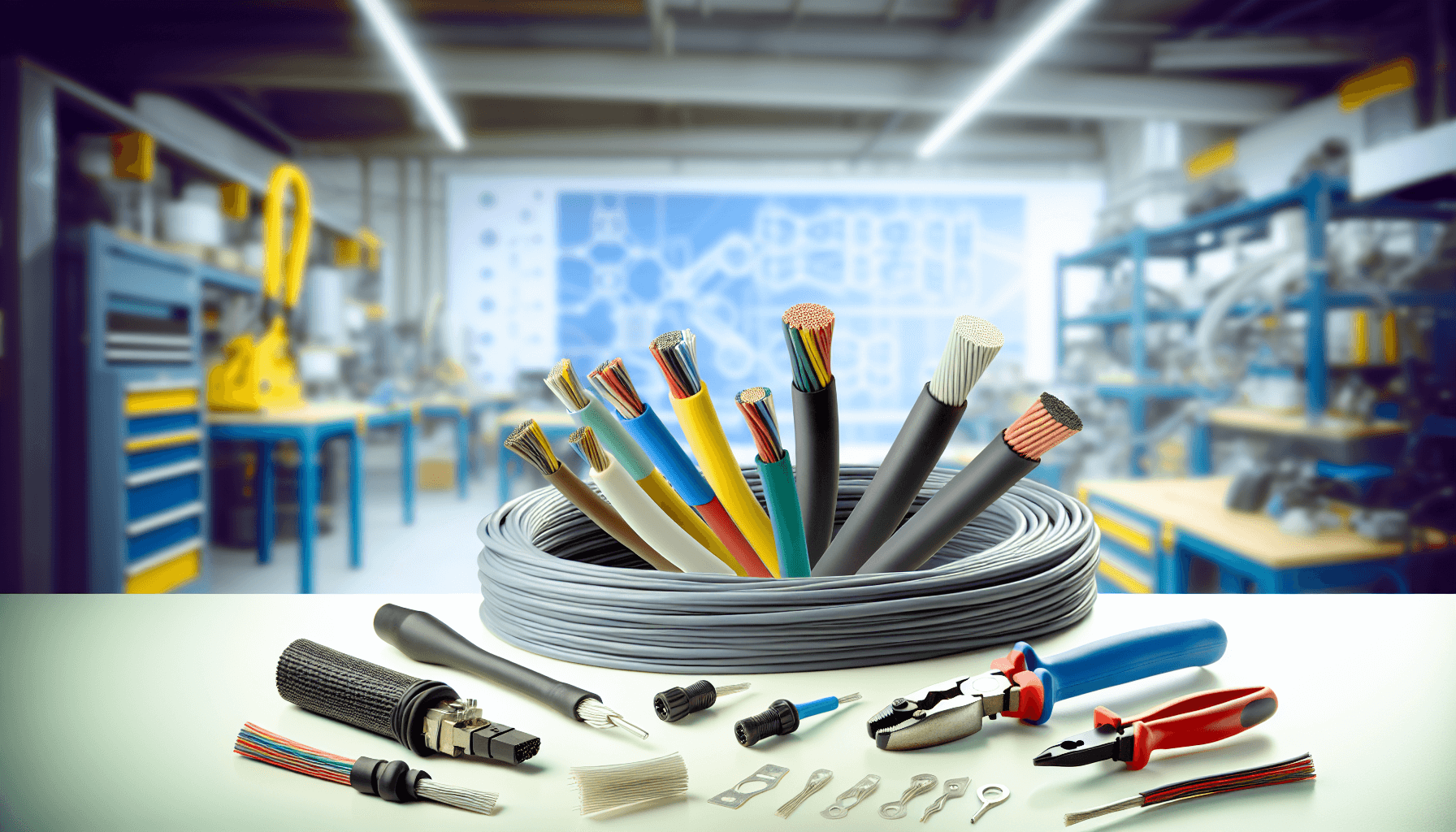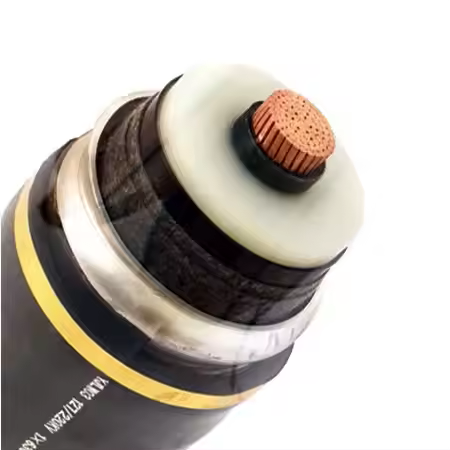

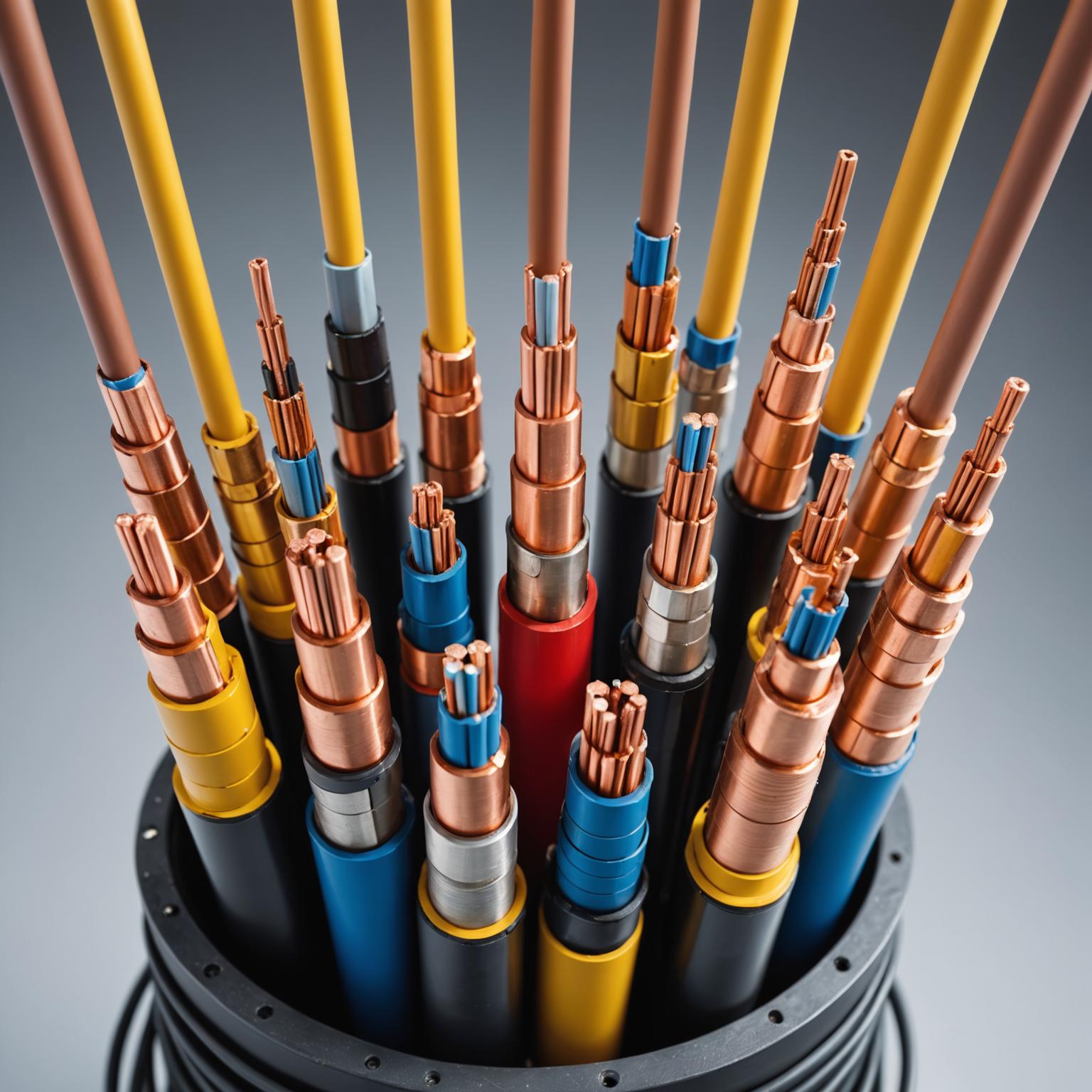
Custom power cable manufacturing is often required when standard cable products cannot fully match a project’s electrical design, installation environment or technical requirements. For industrial, infrastructure, energy, railway, construction and utility projects, customized power cables may be needed to meet specific voltage ratings, conductor materials, insulation systems, armor structures, sheath materials and project standards.
For project buyers, contractors and engineering teams, a successful custom power cable order starts with clear technical communication. The more complete the information provided during the inquiry stage, the easier it is for the supplier to recommend a suitable cable structure and prepare an accurate quotation.
What Is Custom Power Cable Manufacturing?
Custom power cable manufacturing refers to the production of power cables based on project-specific requirements rather than only standard catalog specifications. The cable structure, material selection, voltage rating, conductor size, armor type, sheath material, packaging and documentation may all be adjusted according to the project application.
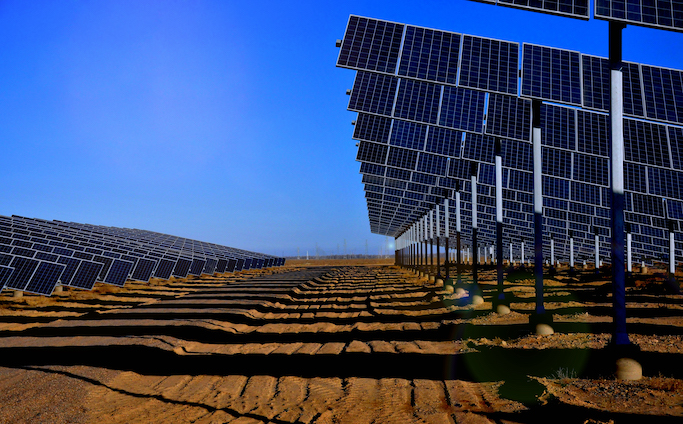
Customized cables are commonly used in projects where electrical performance, installation environment, safety requirements or project standards require a specific cable design. This may include medium voltage power distribution, underground installation, industrial facilities, renewable energy projects, railway systems, oil and petrochemical facilities and large infrastructure projects.
When Do Buyers Need Custom Power Cable?
Not every project requires a customized cable. Standard power cables may be suitable for many general applications. However, custom power cable manufacturing becomes important when the project has special electrical, mechanical, environmental or documentation requirements.
- The project requires a specific voltage rating
- The cable needs a special conductor size or structure
- The installation environment requires armor or special sheath material
- The project requires copper or aluminum conductor options
- The cable must meet a specific standard or documentation requirement
- The application involves underground, outdoor or harsh industrial environments
- The buyer needs project-specific packaging or drum length
- The cable must match engineering drawings or tender specifications
For project-based procurement, customized power cable solutions can help ensure that the final cable structure matches actual application conditions.
Key Information Buyers Should Provide
Before requesting a custom power cable quotation, buyers should prepare clear technical details. This helps the cable supplier understand the application and avoid repeated communication.
| Information | What to Provide | Why It Matters |
|---|---|---|
| Voltage Rating | Low voltage, medium voltage or specific rating such as 6/10kV or 26/35kV | Determines insulation system and cable structure |
| Conductor Material | Copper or aluminum | Affects conductivity, cable size, weight and cost |
| Conductor Size | Required cross-sectional area | Determines current-carrying capacity |
| Number of Cores | Single-core, three-core or multi-core | Affects system design and installation method |
| Insulation Material | XLPE, PVC or project-specified material | Affects electrical performance and application suitability |
| Armor Requirement | Armored or non-armored, steel tape or steel wire armor | Provides mechanical protection when required |
| Outer Sheath | PVC, PE, LSZH or project-specified sheath | Protects the cable from environmental conditions |
| Application Environment | Indoor, outdoor, underground, cable trench, direct burial or industrial site | Helps determine protection and material requirements |
| Standard | IEC, GB/T or project-specific standard | Ensures compliance with procurement requirements |
| Quantity | Total length, drum length or project demand | Needed for quotation, production and delivery planning |
Voltage Rating: The First Detail to Confirm
Voltage rating is one of the most important details in custom power cable manufacturing. Different voltage levels require different insulation thickness, shielding structures and testing requirements.
For low voltage applications, PVC insulated power cables may be suitable for building electrical systems, equipment connection and general industrial distribution. For medium voltage applications, XLPE insulated power cables are commonly used because of their electrical insulation performance and thermal stability.
Buyers should provide the exact voltage rating from project specifications or electrical drawings. If the voltage rating is not confirmed, the supplier may not be able to recommend the correct cable structure.
Conductor Material: Copper or Aluminum
Custom power cables can be produced with copper or aluminum conductors depending on project needs. Copper conductors provide excellent conductivity and are often used where compact cable size, stable performance and high current-carrying capacity are required.
Aluminum conductors are lighter and may provide cost advantages for some power distribution and infrastructure projects. They may be suitable for long cable routes or large-scale systems where weight and budget are important considerations.
The right conductor material should be selected based on current load, cable length, installation method, available space, project budget and required standards.
Conductor Size and Current-Carrying Capacity
Conductor size directly affects current-carrying capacity and cable performance. If the conductor size is too small for the electrical load, the cable may face overheating, voltage drop or reliability problems.
Buyers should provide the required cross-sectional area, such as 35mm², 70mm², 120mm², 240mm² or other project-specific sizes. If the project design includes load current or electrical calculation data, this information can also help the supplier review the requirement.
Single-Core, Three-Core or Multi-Core Structure
The number of cores should follow the project’s electrical system design. Single-core cables are often used in medium voltage and high current systems where each phase is installed separately. Three-core cables are commonly used where compact routing and integrated three-phase installation are required.
Multi-core cables may be used for certain low voltage, control or auxiliary systems depending on application needs. Buyers should confirm the core structure before requesting a quotation because it affects cable design, production and installation.
Insulation Material: XLPE or PVC
Insulation material should be selected according to voltage rating, operating environment and performance requirements. XLPE insulation is widely used for medium voltage power cables because it provides strong electrical performance and thermal stability.
PVC insulation is commonly used for low voltage power cables, building electrical systems and general industrial applications. It offers practical performance and cost efficiency for standard electrical projects.
For custom power cable manufacturing, buyers should provide the required insulation material if it is specified. If not, the supplier can help recommend a suitable option based on application and voltage level.
Armored or Non-Armored Cable Structure
Armor provides mechanical protection for power cables. Custom armored power cables are often required for underground installation, direct burial, cable trenches, industrial environments and infrastructure projects where cables may face external pressure or impact.
Non-armored cables may be suitable for protected indoor installation, ducts, conduits, cable trays or electrical rooms where mechanical damage risk is lower.
When requesting a custom power cable quotation, buyers should confirm whether armor is required and what type of armor should be used. Common options may include steel tape armor or steel wire armor depending on project requirements.
Outer Sheath Material Selection
The outer sheath protects the cable from environmental and mechanical conditions. Common sheath materials include PVC, PE and LSZH. The right sheath material depends on the installation environment and safety requirements.
- PVC sheath is commonly used for standard industrial and electrical applications
- PE sheath may be suitable for outdoor, underground or moisture-related environments
- LSZH sheath may be required for tunnels, public infrastructure or enclosed spaces with low smoke and halogen-free requirements
Buyers should describe the installation environment clearly so the supplier can recommend a suitable sheath material.
Application Environment and Installation Method
The application environment has a direct impact on custom cable design. A cable used in an indoor electrical room may require a different structure from a cable installed underground, outdoors, in a tunnel or inside a petrochemical facility.
Buyers should clearly describe where and how the cable will be installed:
- Indoor electrical room
- Outdoor environment
- Underground cable trench
- Direct burial
- Cable tray or conduit
- Industrial production facility
- Railway or metro system
- Renewable energy project
- Oil and petrochemical facility
- Data center or telecommunications infrastructure
This information helps determine armor, sheath, fire safety and environmental protection requirements.
Standards and Documentation Requirements
Many custom power cable projects require compliance with specific national, international or project standards. These standards may define cable structure, material requirements, testing methods and documentation.
Buyers should provide the required standard if it is listed in the project specification. If the standard is not confirmed, it is helpful to share the destination country, project type and application environment.
Common documentation requirements may include:
- Technical datasheet
- Product specification
- Test reports
- Inspection documents
- Packing list
- Certificate or compliance documents
- Project-specific documentation
Packaging, Drum Length and Delivery Requirements
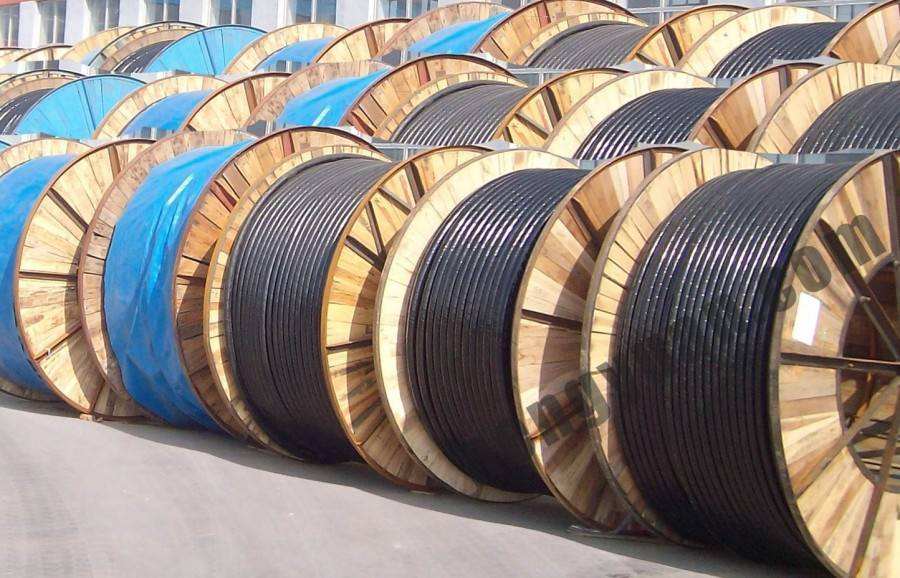
Packaging is also important for custom power cable manufacturing, especially for international projects. Buyers may need specific drum lengths, wooden drum packaging, export packing or phased delivery based on installation schedule.
Before placing an order, buyers should confirm:
- Total cable length
- Length per drum
- Packaging method
- Delivery destination
- Shipping schedule
- Special handling requirements
Clear packaging and delivery requirements help avoid logistics problems after production.
Custom Power Cable Inquiry Checklist
To make the inquiry process easier, buyers can prepare the following information before contacting a cable supplier:
- Cable application
- Voltage rating
- Conductor material
- Conductor size
- Number of cores
- Insulation material
- Armor requirement
- Outer sheath material
- Installation environment
- Required standard
- Total length or quantity
- Drum length or packaging requirement
- Delivery destination
- Required technical documents
Example of a Clear Custom Cable Inquiry
We are looking for custom power cable for an underground industrial power distribution project.
Voltage: 8.7/15kV
Conductor: Copper
Core: Three-core
Size: 3x120mm²
Insulation: XLPE
Armor: Steel wire armored
Outer sheath: PVC
Installation: Underground cable trench
Quantity: 5,000 meters
Standard: IEC or equivalent
Packaging: Wooden drums
Destination: Middle East
Please provide quotation, technical datasheet and delivery time.
This type of inquiry helps the supplier quickly understand the technical requirement and prepare a more accurate custom cable quotation.
Common Mistakes to Avoid in Custom Cable Procurement
Custom cable procurement can become inefficient when important details are missing. Buyers should avoid sending only a general product name or asking only for price without technical information.
- Not providing voltage rating
- Not confirming conductor material
- Missing conductor size or number of cores
- Not describing the installation environment
- Ignoring armor and sheath requirements
- Not confirming project standards
- Not providing quantity or drum length
- Only comparing price without reviewing cable suitability
- Not preparing drawings or technical documents when required
FAQ About Custom Power Cable Manufacturing
What is custom power cable manufacturing?
Custom power cable manufacturing means producing power cables according to project-specific requirements, including voltage rating, conductor material, cable size, insulation, armor, sheath, standards and packaging.
When do I need a custom power cable?
You may need a custom power cable when standard cable products cannot fully match the project’s electrical design, installation environment, safety requirements or technical specifications.
What information should I provide for a custom cable quotation?
Buyers should provide voltage rating, conductor material, cable size, number of cores, insulation material, armor requirement, sheath material, installation environment, standard, quantity and delivery destination.
Can custom power cables use copper or aluminum conductors?
Yes. Custom power cables can be designed with copper or aluminum conductors depending on conductivity requirements, cable size, installation method, project budget and standards.
Can custom power cables be armored?
Yes. Custom power cables can be designed with steel tape armor or steel wire armor when mechanical protection is required for underground, direct burial, cable trench or industrial installation.
Why Choose JinChuan Cable for Custom Power Cable Manufacturing?
JinChuan Cable supports custom power cable manufacturing, XLPE insulated power cables, PVC insulated power cables, copper conductors, aluminum conductors and customized cable solutions for industrial, infrastructure, energy, railway, construction and utility projects.
For project buyers, JinChuan Cable can support specification review, cable structure recommendation, customization communication and quotation preparation. Buyers can submit drawings, technical specifications or application details to receive suitable cable recommendations.
If you need custom power cable manufacturing for your project, you can visit custom cable solutions or request a cable quotation from JinChuan Cable.
Conclusion
Custom power cable manufacturing is important for projects that require specific electrical performance, cable structure, installation protection or documentation. To receive an accurate quotation, buyers should prepare complete information about voltage rating, conductor material, cable size, insulation, armor, sheath, installation environment, standards and quantity.
Working with a professional power cable supplier helps reduce selection risk, improve communication efficiency and ensure that the final cable solution matches the project application. JinChuan Cable supports custom power cable solutions for global industrial and infrastructure project buyers.