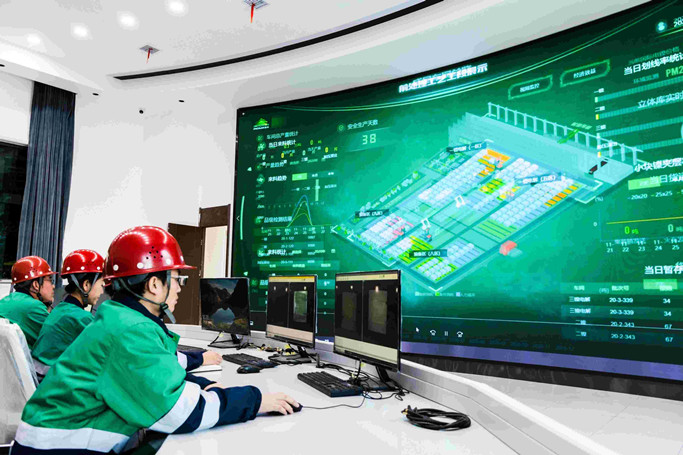

Data centers and telecommunications infrastructure require reliable cable systems to support continuous power supply, equipment operation, backup systems and network facilities. In these environments, cable performance directly affects system stability, operational safety and long-term infrastructure reliability.
For project buyers, contractors and engineering teams, selecting suitable cable solutions for data centers and telecommunications projects requires careful review of voltage rating, conductor material, insulation system, sheath material, fire safety requirements, installation space and project standards.
Why Cable Selection Matters in Data Centers and Telecommunications Projects
Data centers and telecommunications facilities operate with high requirements for power reliability. Electrical systems must support servers, communication equipment, cooling systems, backup power, power distribution cabinets and supporting infrastructure.
If the cable structure is not suitable for the installation environment, it may create risks such as overheating, insulation aging, voltage loss, fire safety issues or maintenance difficulties. Choosing the right cable solution at the procurement stage helps improve system reliability and reduce long-term operation risks.
Common Cable Applications in Data Centers and Telecom Infrastructure
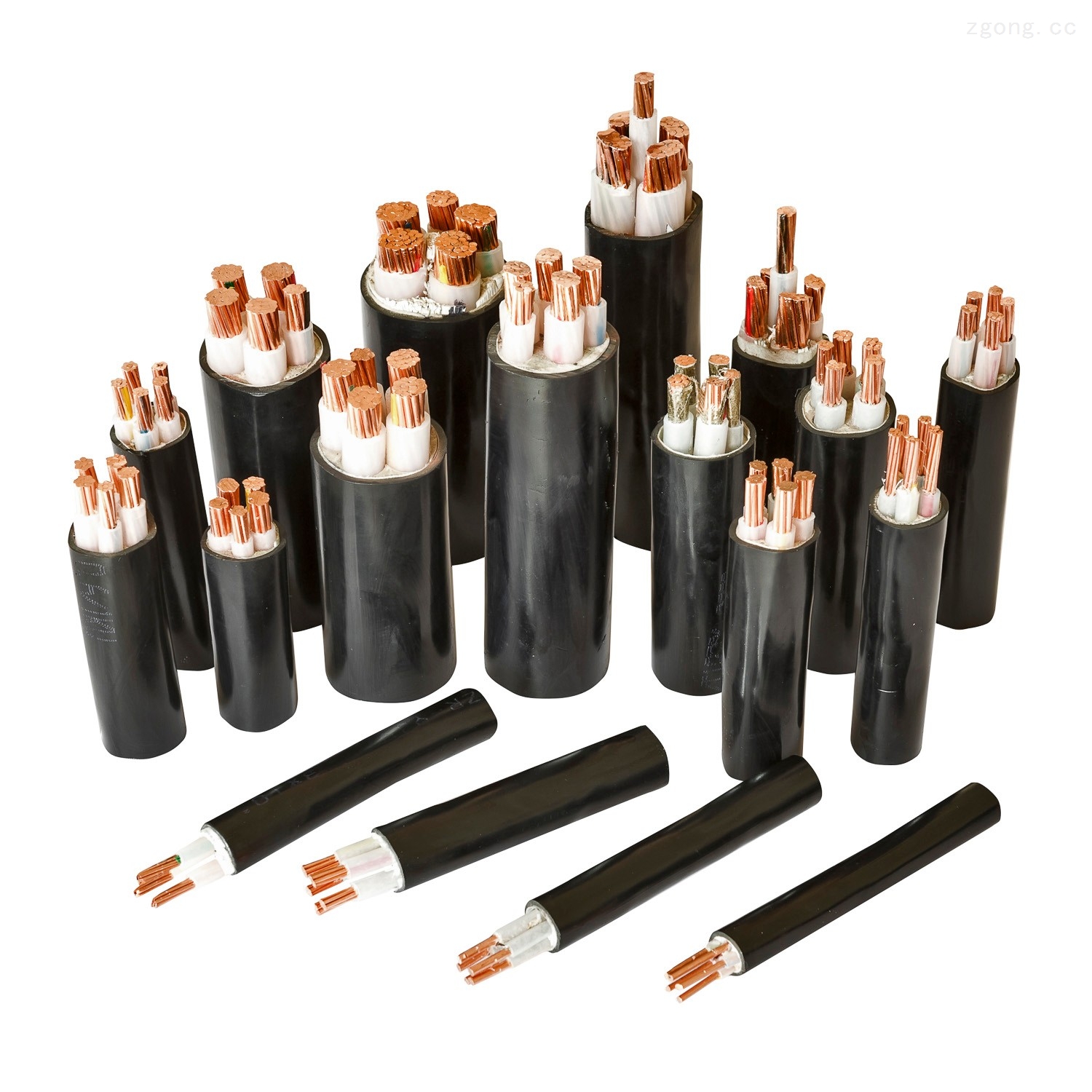
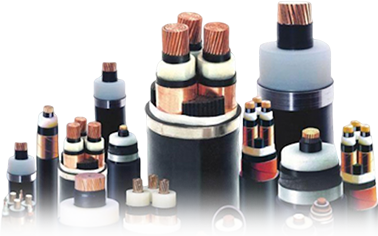
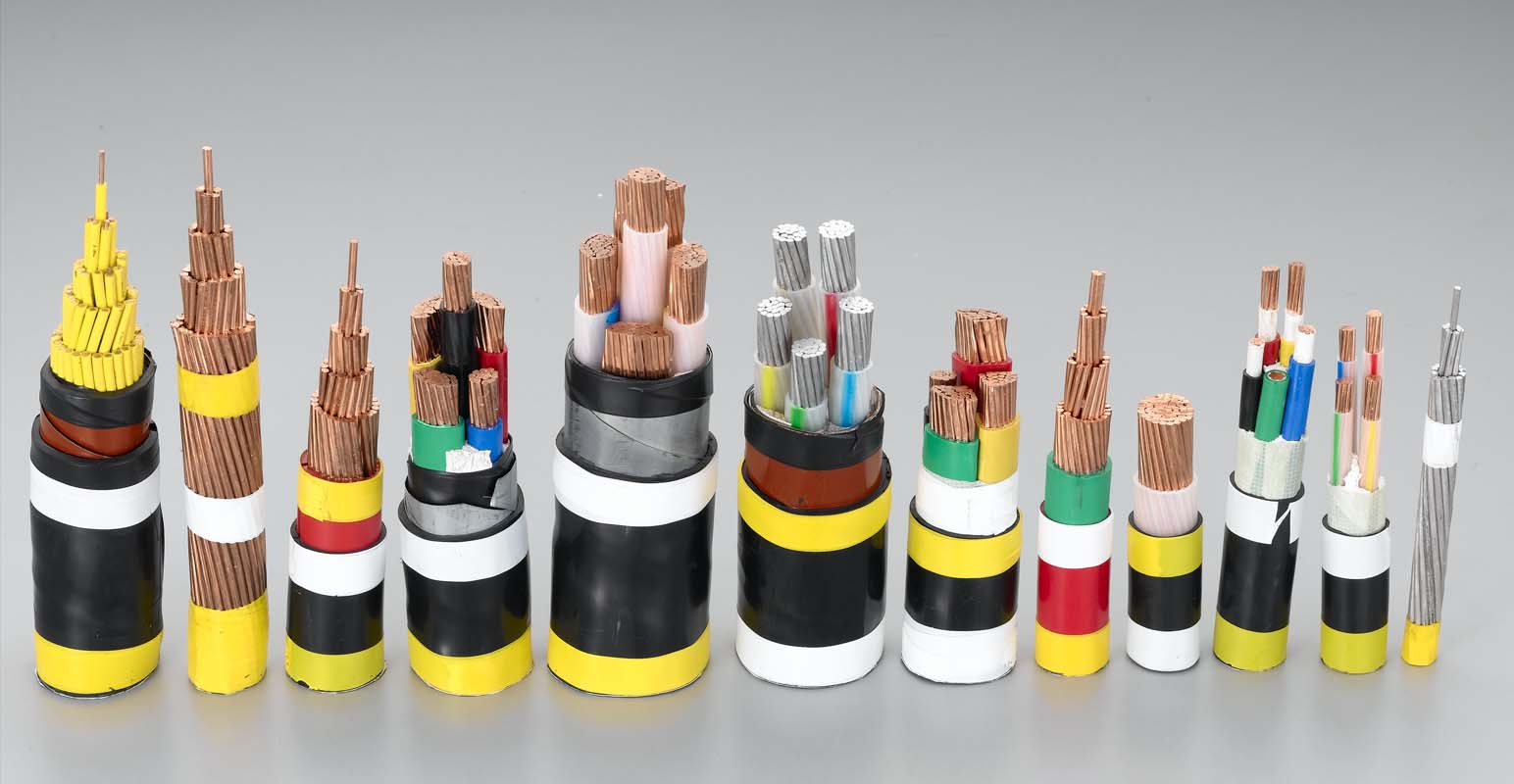
Data centers and telecommunications facilities use different cable types depending on the electrical system design and installation area. These may include medium voltage power cables, low voltage power cables, control cables, conductors and customized cable structures.
- Power distribution systems
- Server room electrical supply
- UPS and backup power systems
- Generator connection
- Transformer and substation connection
- Cooling system power supply
- Telecommunications equipment rooms
- Network infrastructure facilities
- Building and facility electrical systems
Power Cables for Data Center Power Distribution
Power distribution is one of the most important systems in a data center. Cables are used to transmit power from substations, transformers, switchgear, UPS systems and distribution cabinets to different equipment areas.
For large data centers, medium voltage and low voltage power cables may both be required. Medium voltage cables are often used for main power transmission and transformer connection, while low voltage cables are used for internal distribution and equipment power supply.
Reliable power cable selection helps support stable power delivery and reduces the risk of electrical failure in mission-critical facilities.
Cables for Telecommunications Infrastructure
Telecommunications infrastructure also depends on stable electrical systems. Telecom sites, equipment rooms, base station facilities and communication hubs require cable solutions that can support continuous operation and safe power distribution.
In telecom infrastructure projects, cables may be installed in indoor equipment rooms, outdoor facilities, utility areas or supporting power systems. The cable structure should be selected according to voltage level, installation method, fire safety requirements and environmental exposure.
Medium Voltage Cable for Data Centers
Medium voltage power cables are often used in large data center projects for power intake, transformer connection and main distribution systems. These cables need strong insulation performance, stable electrical properties and suitable mechanical protection.
XLPE insulated power cables are commonly selected for medium voltage applications because they provide good thermal stability and reliable electrical insulation. When used in data center infrastructure, cable selection should match the project’s voltage rating, load requirement and installation environment.
Important details include:
- Voltage rating
- Conductor material
- Cable size or cross-sectional area
- Number of cores
- Insulation system
- Shielding or screen structure
- Armor requirement
- Outer sheath material
- Installation environment
- Required standards and documentation
Copper vs Aluminum Conductors for Data Center Projects
Copper and aluminum conductors can both be used in data center and telecommunications infrastructure, depending on project design and budget requirements.
Copper conductors offer excellent electrical conductivity and are often used where compact size, high current-carrying capacity and stable performance are required. They are suitable for demanding electrical systems and space-limited installation areas.
Aluminum conductors are lighter and may provide cost advantages for some larger distribution systems. In certain infrastructure projects, aluminum conductor solutions can help control total project cost while meeting electrical requirements.
| Conductor Material | Main Advantages | Typical Use |
|---|---|---|
| Copper Conductor | High conductivity, compact size, stable performance | Data centers, equipment rooms, demanding power systems |
| Aluminum Conductor | Lighter weight, cost-effective for larger projects | Power distribution, infrastructure systems, long cable routes |
Fire Safety Requirements
Fire safety is an important factor in data center and telecommunications cable selection. Many facilities require cables with flame-retardant, low smoke or halogen-free performance depending on local regulations and project standards.
In enclosed equipment rooms, server rooms and public infrastructure facilities, cable sheath material should be selected carefully. LSZH sheath may be required in some projects to reduce smoke and halogen emissions during fire conditions.
Buyers should confirm whether the project requires flame-retardant cable, fire-resistant cable or low smoke halogen-free cable before requesting a quotation.
Outer Sheath and Installation Environment
The outer sheath protects the cable from environmental and mechanical conditions. In data centers, cables may be installed in cable trays, ducts, equipment rooms, underground routes or facility power rooms. In telecommunications projects, cables may also be used in outdoor or semi-outdoor environments.
Common sheath materials include PVC, PE and LSZH. The right choice depends on fire safety requirements, moisture exposure, mechanical protection, installation space and project standards.
- PVC sheath is widely used for standard electrical applications
- PE sheath may be suitable for outdoor or moisture-related environments
- LSZH sheath may be required for enclosed spaces and safety-sensitive facilities
Armored Cable for Mechanical Protection
Some data center and telecommunications projects require armored cables for additional mechanical protection. This is especially important for underground installation, cable trenches, utility areas and environments where cables may face pressure or external damage.
Armored cable can help improve durability and reduce the risk of mechanical damage during installation and operation. Steel tape armor or steel wire armor may be selected according to project requirements.
Key Factors When Choosing Cables for Data Centers and Telecom Projects
Before purchasing cables for data centers or telecommunications infrastructure, buyers should evaluate both technical requirements and actual installation conditions. A suitable cable solution should match the electrical system, safety requirements and long-term operating environment.
- Voltage rating and power system design
- Current-carrying capacity
- Conductor material: copper or aluminum
- Insulation material, such as XLPE or PVC
- Fire safety and flame-retardant requirements
- Low smoke and halogen-free requirements
- Indoor, outdoor or underground installation
- Mechanical protection and armor requirement
- Sheath material and environmental exposure
- Applicable standards and documentation
- Packaging, delivery and project schedule
Information Buyers Should Prepare Before Requesting a Quote
To receive an accurate cable recommendation and quotation, buyers should provide clear technical and project information. This helps the supplier confirm the right cable structure and reduce communication delays.
- Project type and application area
- Voltage rating
- Conductor material
- Cable size or cross-sectional area
- Number of cores
- Installation environment
- Fire safety requirements
- Armor and sheath requirements
- Required standards
- Total cable length or quantity
- Delivery destination
- Required technical documents
Common Mistakes to Avoid
Some cable procurement problems happen because buyers only provide a general product name without detailed specifications. For data centers and telecom infrastructure, incomplete cable selection can affect safety, installation and long-term operation.
- Not confirming voltage rating and load requirements
- Ignoring fire safety requirements
- Not confirming whether LSZH sheath is required
- Choosing cable without considering installation space
- Missing required standards or documentation
- Not describing indoor, outdoor or underground installation conditions
- Focusing only on price instead of long-term reliability
How JinChuan Cable Supports Data Center and Telecom Projects
JinChuan Cable provides power cables, conductors and customized cable solutions for data centers, telecommunications infrastructure, industrial facilities, power distribution and construction projects. For data center and telecom applications, JinChuan Cable can support buyers with cable selection, specification communication and quotation preparation.
Buyers can submit technical specifications, drawings, installation details or application requirements to receive suitable product recommendations. Based on project needs, JinChuan Cable can support XLPE insulated power cables, PVC insulated cables, copper conductors, aluminum conductors and customized cable structures.
Conclusion
Data centers and telecommunications infrastructure require reliable cable solutions to support power distribution, backup systems, equipment rooms and continuous operation. The right cable selection depends on voltage rating, conductor material, insulation system, fire safety requirements, installation environment, mechanical protection and project standards.
For mission-critical infrastructure projects, working with a professional cable supplier can help reduce procurement risk and improve long-term system reliability. JinChuan Cable supports data center and telecommunications cable solutions for global project buyers and engineering applications.