
Procurement context: Lithium refining projects often combine calcination, leaching, filtration, pumps, workshops and utility substations under a tight commissioning plan.
For buyers comparing lithium refinery power cable, the main risk is rarely one cable price line. It is the gap between the route, load, approval document and delivery sequence. JINCHUAN Cable buyers get a cleaner quotation when those details are written into the RFQ instead of being discussed after production planning.
Search Intent and Buyer Need
This article serves EPC and procurement buyers who need a practical way to specify lithium refinery power cable before comparing suppliers.
Where This Cable Package Is Used
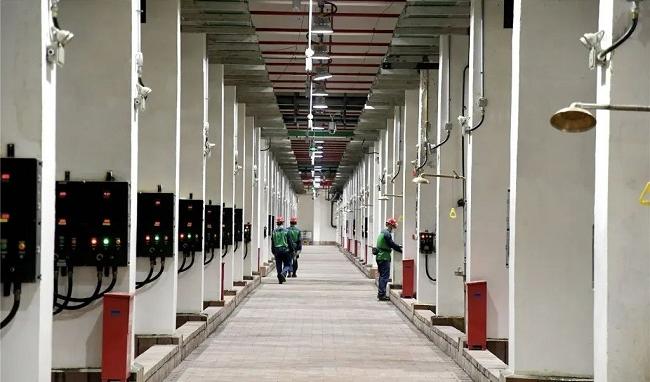
Typical uses include kiln auxiliaries, slurry and transfer pumps, filtration lines, utility buildings, MCC feeders and outdoor distribution routes.
When the Specification Needs Extra Attention
Extra review is needed where heat, chemical exposure, washdown, outdoor routing or shutdown-critical pump loads affect the cable route.
RFQ Definition Table
| RFQ item | Buyer input | Commercial risk if missing |
| Area | Kiln, pump, utility | Wrong construction |
| Load | Motor and process utilities | Undersized feeder |
| Route | Tray, duct, outdoor | Protection gap |
| Environment | Heat, moisture, chemicals | Sheath or armor mismatch |
| Documents | Reports, marks, certificates | Delayed acceptance |
Procurement Decision Matrix
| Decision point | Check before PO | Why it matters |
| Heat route | Distance from kiln or dryer | Approval |
| Chemical exposure | Sheath and protection notes | Installation |
| Pump duty | Starting and continuous load | Maintenance |
Inspection and Handover Table
| Stage | What to verify | Record |
| Before production | Approved datasheet and schedule | Technical submittal |
| Before shipment | Routine test report and packing | Inspection file |
| On site | Drum marks and visible condition | Receiving photos |
Cable Construction Notes
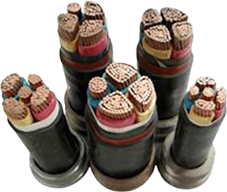
Cable construction should not be chosen from electrical size alone because refinery routes may include heat, moisture and corrosive process areas. JINCHUAN can review conductor, insulation, sheath, armor, screen and packing choices when the buyer shares a route drawing or cable schedule.
Standards and Documentation Notes
Power cable construction may reference IEC 60502, and conductor construction may reference IEC 60228.
Application Scenario Details
Procurement should group process, utility and outdoor routes separately so the supplier can quote the correct protection and document package.
Selection Criteria for Technical Review
Start with voltage grade, conductor material, cross section, installation method and ambient condition. Then review bending limits, route protection, short-circuit assumptions, owner document format and drum length. This order keeps lithium refinery power cable selection practical because engineering, procurement and site teams are discussing the same boundary.
Commercial Comparison Points
Compare offers by construction, test report scope, packing method, drum length and whether chemical-area route notes are included. A low number is not useful if the offer excludes certificates, export packing, special drum marks, inspection support or delivery phasing that the project actually needs.
Common Buyer Mistakes
The frequent mistake is treating a lithium refinery like a dry warehouse and leaving process exposure out of the RFQ.
Delivery Planning and Drum Allocation
Mark drums by process unit and installation phase because refinery projects often release areas in a sequence.
Receiving and Site Inspection
When the cable arrives, compare drum number, cable type, length, packing list and visible condition before the site team starts installation. For lithium refinery power cable, this receiving check protects the project from wrong-drum installation and missing handover evidence.
Maintenance and Future Expansion
Keep datasheets and route records with the owner so future pump additions or process changes do not start from incomplete cable data.
Buyer Checklist Before Purchase
- Process unit
- Voltage and size
- Kiln proximity
- Pump duty
- Chemical exposure
- Route method
- Drum marks
- Test reports
Internal Review Before Supplier Selection
Ask the electrical engineer to approve the load and route, procurement to confirm delivery terms, and the site manager to confirm drum handling limits. This short review helps the JINCHUAN Cable quotation match real site conditions instead of only a bill-of-quantity line.
How to Use JINCHUAN Resources
Buyers can review JINCHUAN Cable products and compare related planning guidance in the chemical plant power cable guide. These pages help connect lithium refinery power cable requirements with cable construction, route risk and project handover expectations.
Authority Reference
Use IEC 60502 for power cable construction context and IEC 60228 for conductor reference.
FAQ
What should a buyer define before ordering lithium refinery power cable?
Define voltage grade, conductor size, route, environment, load duty, inspection scope, packing and delivery sequence before comparing offers.
How does JINCHUAN Cable support lithium refinery power cable RFQs?
JINCHUAN Cable can review the cable schedule when buyers provide load lists, route notes, standards, quantities and required documents.
Does the route change the lithium refinery power cable specification?
Yes. Outdoor, buried, tray, riser, wet, hot, dusty or mechanically exposed routes can change sheath, armor, testing and drum planning.
Which documents should be requested?
Ask for datasheets, routine test reports, packing lists, drum marks, certificates required by the owner and shipment photos where needed.
Why are drum numbers and route tags important?
They help installers match each drum to the correct area, equipment group and construction phase without opening the wrong cable.
Can one cable type cover every lithium refinery route?
Usually no. Feeders, pumps, drives, utilities and emergency circuits often need different construction or documentation boundaries.
How should supplier offers be compared?
Compare the same voltage, conductor, insulation, sheath, armor, standard, test scope, packing, delivery term and document package.
What mistake causes avoidable rework?
The common mistake is omitting heat and chemical route details until after supplier comparison.
Where does the JINCHUAN brand fit in a lithium refinery power cable project?
JINCHUAN focuses on cable packages that are clear enough for engineering approval, inspection and site handover.
What should the final RFQ include?
State lithium refinery power cable, voltage, size, quantity, installation method, environment, standard, inspection scope, drum limit, destination and handover records.
Next Step for Buyers
Send the cable schedule, route notes, voltage grade, size, quantity, installation method, required standard, inspection scope, destination and drum constraints. JINCHUAN can then review lithium refinery power cable with a clearer technical and commercial boundary.