
Copper Conductor vs Aluminum Conductor: How to Choose for Your Project
When selecting power cables or overhead conductors, one of the most important decisions is whether to use copper conductor or aluminum conductor. Both materials are widely used in electrical systems, but they have different characteristics in conductivity, weight, cost and application suitability.
For project buyers, contractors and electrical engineers, choosing the right conductor material can directly affect project cost, installation method and long-term performance. Understanding the difference between copper and aluminum conductors helps project teams make a more suitable procurement decision.
What Is a Copper Conductor?
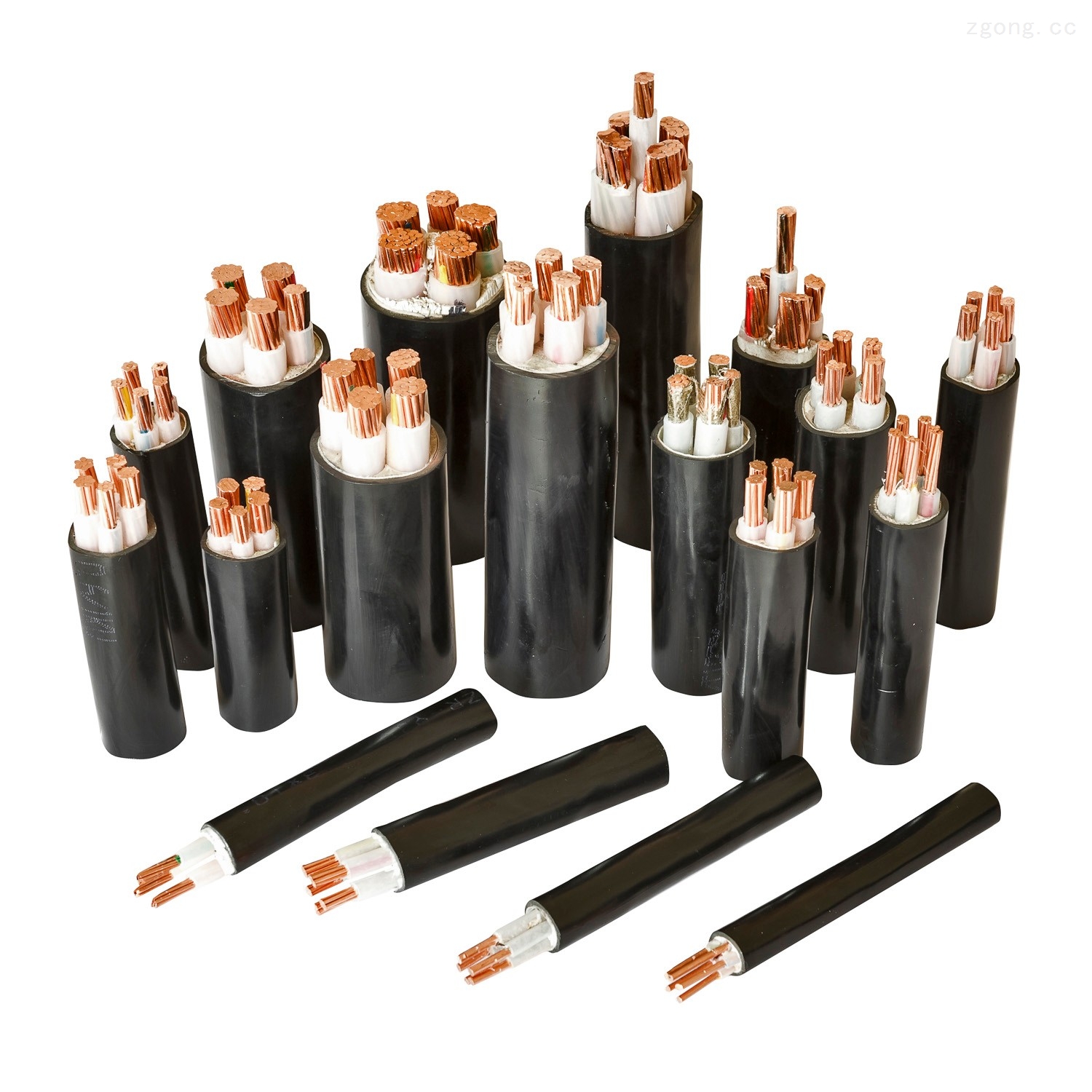
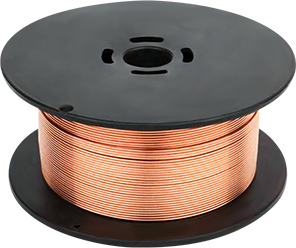
A copper conductor is an electrical conductor made from copper material. Copper is known for its excellent electrical conductivity, mechanical strength and long-term reliability. It is commonly used in power cables, building wiring, industrial equipment, control systems and electrical distribution applications.
Copper conductors are often preferred when high conductivity, compact cable size and stable electrical performance are required. In many industrial projects, copper is selected for applications where power loss, space limitation and system reliability are important concerns.
What Is an Aluminum Conductor?
An aluminum conductor is made from aluminum or aluminum alloy. Aluminum has lower conductivity than copper, but it is much lighter and often more economical. Because of its weight advantage, aluminum is widely used in overhead transmission lines, distribution networks and large-scale power projects.
In many infrastructure and utility projects, aluminum conductors can provide a practical balance between performance, installation convenience and cost control.
Key Differences Between Copper and Aluminum Conductors
The most obvious difference is electrical conductivity. Copper has higher conductivity, which means a copper conductor can carry current more efficiently within a smaller cross-sectional area. This makes copper suitable for applications where space is limited or higher electrical performance is required.
Aluminum is lighter than copper, which makes it easier to handle and install in certain applications. For overhead power lines, lower weight can reduce mechanical load on towers and support structures.
Cost is another major factor. Aluminum conductors are usually more cost-effective than copper conductors, especially in large-scale projects requiring long cable runs or large quantities of conductor material.
| Factor | Copper Conductor | Aluminum Conductor |
|---|---|---|
| Conductivity | Higher electrical conductivity | Lower than copper, but suitable for many power applications |
| Weight | Heavier | Lighter and easier for long-span installation |
| Cost | Usually higher | Usually more economical |
| Application | Industrial cable, building systems, compact installations | Overhead lines, utility grids, large-scale distribution projects |
| Space Requirement | Suitable for limited-space applications | May require larger conductor size for the same current capacity |
When to Choose Copper Conductor
Copper conductor is often suitable for projects that require high conductivity, stable performance and smaller cable size. It is widely used in industrial facilities, commercial buildings, power distribution systems, control equipment and applications where reliability is a priority.
Copper is also a good option when the installation space is limited or the electrical system requires better current-carrying performance.
- Industrial power cable
- Building electrical systems
- Control and distribution panels
- Underground power cable
- Equipment connection
- High-performance electrical systems
When to Choose Aluminum Conductor
Aluminum conductor is often used in overhead power transmission and distribution projects because of its lightweight structure and cost advantage. It is also suitable for long-distance power delivery where conductor weight is an important design factor.
Aluminum conductors are commonly used in utility grids, infrastructure projects and large-scale electrical distribution systems.
- Overhead transmission lines
- Distribution networks
- Utility power projects
- Infrastructure power systems
- Renewable energy grid connection
- Large-scale electrical projects
Factors to Consider Before Selection
Before choosing between copper and aluminum conductor, project teams should consider more than just material price. The final decision should be based on electrical load, installation environment, mechanical requirements, project budget and applicable standards.
Important factors include:
- Current-carrying capacity
- Voltage level
- Installation method
- Cable route length
- Mechanical load
- Environmental conditions
- Project standard
- Total procurement budget
For some projects, copper may provide better long-term performance. For others, aluminum may be more practical because of weight and cost advantages.
Copper vs Aluminum: Which One Is Better?
There is no single answer that applies to every project. Copper is better for applications that require higher conductivity, smaller cable size and strong reliability. Aluminum is better for projects that require lighter weight, longer cable routes and better cost control.
For industrial plants, commercial buildings and compact electrical systems, copper conductors are often preferred. For overhead transmission, distribution networks and utility infrastructure, aluminum conductors are often a practical choice.
How JinChuan Cable Supports Project Selection
Selecting the right conductor material requires understanding both the electrical design and the actual installation environment. JinChuan Cable supports project buyers with conductor and cable solutions for industrial, infrastructure, power transmission, energy and utility applications.
Buyers can provide voltage rating, conductor size, installation environment, application scenario and quantity requirements. Based on project needs, JinChuan Cable can support copper conductor, aluminum conductor and customized cable solution recommendations.
Conclusion
Copper conductors and aluminum conductors both play important roles in modern power systems. Copper offers higher conductivity and reliable performance, while aluminum provides lightweight and cost-effective advantages for large-scale power transmission and distribution.
The right conductor depends on the application, electrical design, installation environment and budget. Working with a professional cable and conductor supplier can help buyers choose the most suitable material and structure for their project.
JinChuan Cable provides copper conductor, aluminum conductor and customized cable solutions for industrial, infrastructure, utility and energy projects worldwide.