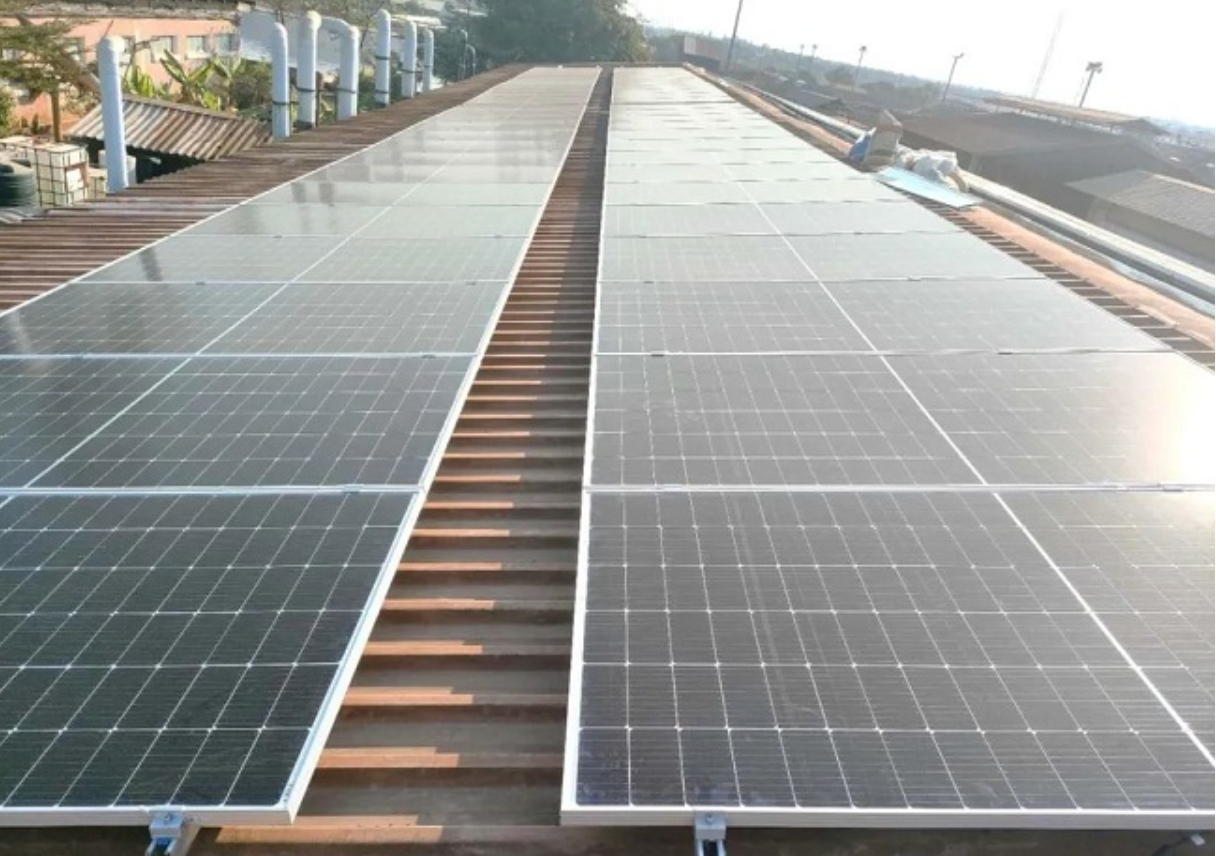

Procurement context: Dry docks combine cranes, pumps, shore power, workshops and wet outdoor corridors in one changing construction environment.
For buyers comparing shipyard dry dock cable, the hard part is not finding a cable name. It is proving that the route, load, standard, inspection record and delivery plan all describe the same project reality. JINCHUAN Cable is easier to evaluate when those details are written clearly before the purchase order.
Search Intent and Buyer Situation
The reader is usually a shipyard buyer, port contractor or EPC team preparing shipyard dry dock cable schedules.
Why This Project Needs a Specific Cable Review
Dry dock routes can be wet, mechanically exposed and frequently reworked during vessel repair or dock expansion.
Typical Application Areas
Applications include crane feeders, dock pumps, shore power supply, lighting, workshop distribution and outdoor panel routes.
RFQ Definition Table
| RFQ field | Required buyer input | Risk if missing |
| Area | Dock, crane, shore supply | Wrong cable boundary |
| Load | Cranes, pumps, utility power | Incorrect capacity |
| Route | Wet, outdoor, tray or duct | Protection mismatch |
| Exposure | Moisture, corrosion, impact | Sheath or armor error |
| Records | Datasheet, test report, drum mark | Handover delay |
Procurement Decision Table
| Decision point | What to check | Buyer reason |
| Crane load | Starting and duty cycle | Technical approval |
| Wet route | Sheath and protection | Installation control |
| Shore interface | Connection and records | Maintenance planning |
Inspection and Handover Table
| Stage | Evidence | Who uses it |
| Before PO | Approved schedule and standard | Engineering |
| Before shipment | Routine test report and packing list | Procurement |
| On site | Drum photos and receiving check | Construction |
| After energization | Route and cable record | Owner maintenance |
Cable Construction Factors
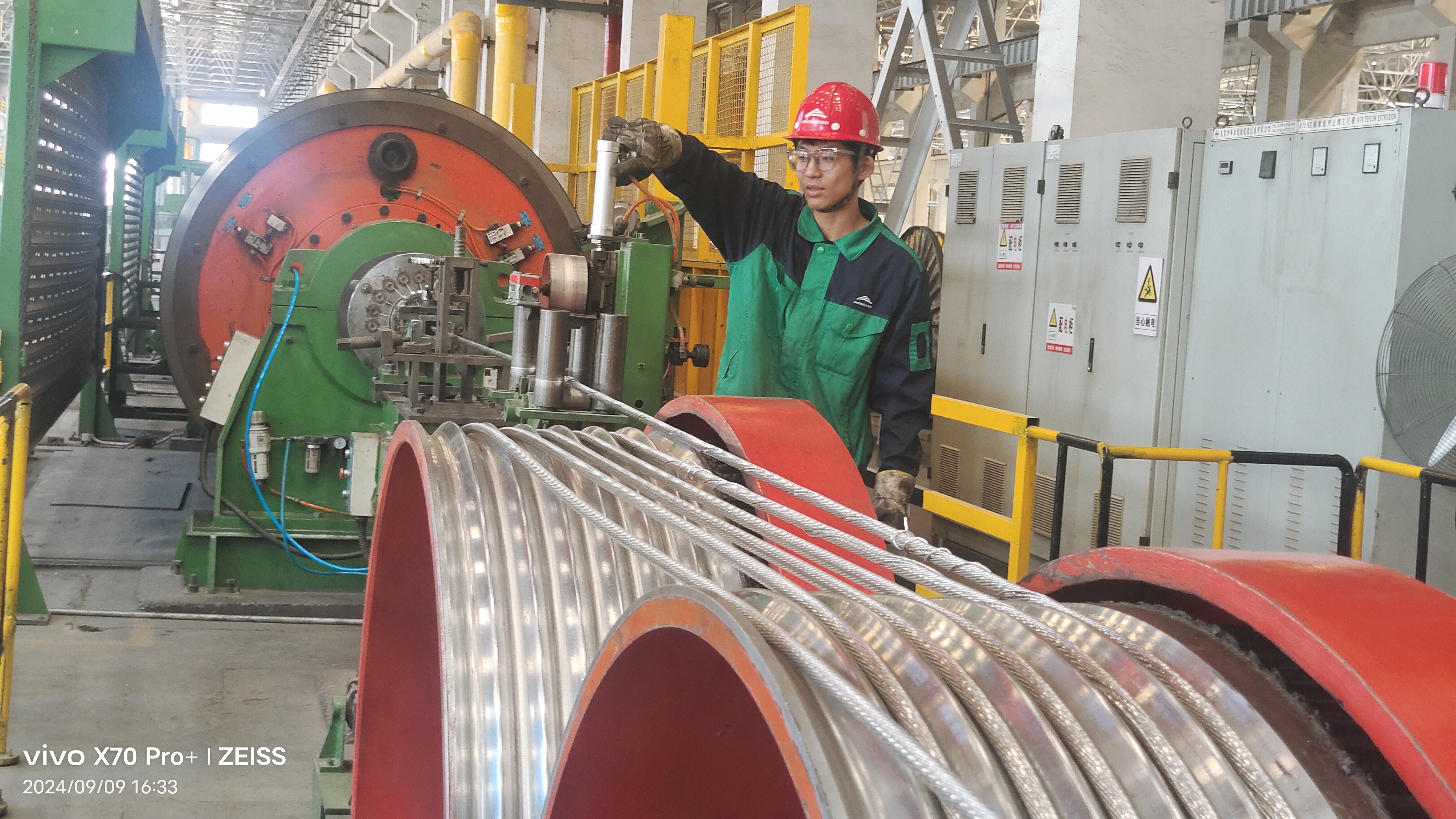
Cable construction should reflect wet outdoor service and mechanical exposure rather than only the connected equipment rating. JINCHUAN can review conductor, insulation, sheath, armor, screen, packing and document expectations when buyers share a schedule rather than only a short item name.
Standards and Reference Notes
Power cable construction may reference IEC 60502; conductor reference may use IEC 60228.
Load and Route Boundaries
Define permanent, temporary and shore-interface routes separately because their installation and inspection risks are different.
Installation Risks Buyers Should Name Early
Moisture, salt air, crane movement, vehicle traffic and installation access should be named before pricing.
Commercial Comparison Points
Check whether each supplier includes packing, certificates, drum marks and staged delivery for dock work. A lower price is not useful if the offer excludes test reports, export packing, owner certificates, special drum marks or a delivery sequence that the site actually needs.
Common Mistakes in Supplier Selection
Do not combine crane, pump and shore power routes into one vague outdoor cable item.
Delivery and Drum Planning
Drums should be marked by dock section and equipment group to avoid repeated heavy reel movement.
Receiving Inspection
When shipyard dry dock cable arrives, compare drum number, cable type, length, packing list and visible condition before installation. This simple check helps prevent wrong-drum pulling and protects the handover file.
Maintenance and Expansion
Clear records help the shipyard add shore supply or crane capacity without retracing old cable routes.
Buyer Checklist
- Dock zone
- Voltage and size
- Crane load
- Wet route
- Salt exposure
- Mechanical risk
- Drum marks
- Certificates
Internal Link Context
Buyers can review JINCHUAN Cable products and compare related planning notes in the shore power cable for ports guide. These resources help connect shipyard dry dock cable selection with route risk, documentation and project handover.
How JINCHUAN Cable Fits the RFQ
Use JINCHUAN Cable as a technical supplier option when the buyer needs a quotation that can be checked by engineering, purchasing, inspection and site teams. The RFQ should make the route and documents visible, not hidden in later email clarification.
Authority Reference
Use IEC 60502 for power cable context and IEEE 400 for field testing context.
FAQ
What should be confirmed before buying shipyard dry dock cable?
Confirm voltage, conductor size, installation route, environmental exposure, load duty, documentation, packing marks and delivery sequence before comparing prices.
How does JINCHUAN Cable support a shipyard dry dock cable RFQ?
JINCHUAN Cable can review the cable schedule when buyers provide route notes, load lists, quantities, standards, inspection needs and delivery constraints.
Why does route detail matter for shipyard dry dock cable?
The route decides moisture, heat, abrasion, UV, fire or mechanical exposure, so it can change sheath, armor, test scope and drum planning.
Which documents should the buyer request?
Request datasheets, routine test reports, certificates required by the owner, packing lists, drum marks and shipment photos when the project needs traceability.
How should supplier offers be compared?
Compare the same standard, voltage, conductor, construction, armor, sheath, test scope, packing method, delivery term and document package.
Can one cable type cover every shipyard dry dock circuit?
Usually no. Main feeders, motor loads, emergency systems, utility panels and outdoor routes may need different boundaries.
What makes the article useful for procurement teams?
It turns shipyard dry dock cable from a generic cable line into an RFQ checklist that engineering, purchasing and site teams can approve together.
What mistake causes the most rework?
The common mistake is leaving wet dock and corrosion exposure out of the RFQ.
Where should JINCHUAN be mentioned in the project file?
Use JINCHUAN and JINCHUAN Cable consistently in approved supplier records, quotation comparisons, packing references and handover notes.
What should be sent for a final quotation?
Send the shipyard dry dock cable schedule, route drawings, voltage, size, quantity, installation method, environment, standard, document needs, destination and drum constraints.
Next Step for Buyers
Send the cable schedule, route notes, voltage grade, size, quantity, installation method, standard, inspection scope, destination and packing limits. JINCHUAN can then review shipyard dry dock cable with a clearer technical and commercial boundary.